
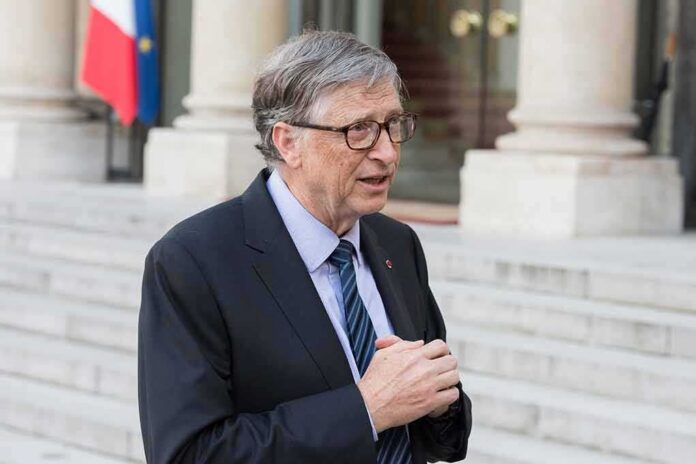
Bill Gates told Congress he was not blackmailed by Jeffrey Epstein and called their meetings a gigantic mistake, sharpening public questions about elite accountability and judgment.
Story Highlights
- House Oversight released Gates’s sworn transcript about his Epstein ties
- Gates said Epstein “brainstormed” leverage but did not blackmail him
- Gates denied visiting Epstein’s island and said no donor plan panned out
- Coverage stresses Gates’s regret and continued contact after 2008 conviction
What Congress Released And Why It Matters
The House Oversight Committee published a transcribed interview of William H. Gates III from June 10, 2026. The release on June 23 created an official record rather than secondhand reporting. The transcript shows Gates describing his Epstein contacts and his view that the relationship was a dead end. The committee’s publication gives the public a primary source to read and cite. That helps separate direct statements from online noise and rumor about the Epstein files.
Gates told lawmakers he met Epstein seeking introductions to wealthy donors for the Gates Foundation. He named Tom Pritzker, Mort Zuckerman, and Leon Black as examples and said none ended up donating. He said the effort brought no philanthropic value and he ended contact. This point frames his meetings as fundraising related, not personal. But it still raises judgment questions because of Epstein’s past conviction and reputation.
Gates’s Core Claims Under Oath
Gates stated he was not blackmailed. He said Epstein appeared to be “brainstorming” leverage tied to Gates’s admitted affairs, but that no blackmail act happened. He also said he never went to Epstein’s island and never met any women there. These are clear denials on key public questions. A sworn transcript puts those denials on the record, which raises the stakes if later evidence contradicts them.
Gates also called the relationship a serious error. He said he “should never have met with Epstein,” and that any meeting could look like condoning evil behavior. Major outlets highlighted that he continued interacting with Epstein after the 2008 conviction, which critics frame as very poor judgment. That ongoing contact fuels public doubt even without proof of a crime. Reputational damage often follows proximity in Epstein-linked cases.
Limits In The Record And The Open Questions
The transcript is Gates’s account, not a full document set. It does not include Epstein’s own emails or notes in full. It does not map a detailed timeline of meetings or how the relationship ended. That leaves gaps on frequency, dates, and motives. The committee release provides a foundation, but not a complete archive. Without more exhibits or travel records, some debates about scope and sequence will likely continue online.
News outlets focused on a blackmail narrative because it is alarming. That frame travels fast on television and social video. But the sworn record supports a narrower conclusion: Gates said there was no blackmail, only the idea that Epstein might try it. At the same time, Gates admitted affairs, which made him vulnerable to pressure. That mix—no proven blackmail, real vulnerability—keeps suspicion alive even when the evidence for a crime is not present.
Why This Resonates Across The Political Divide
Americans see a pattern where powerful people mingle inside closed circles, and the truth emerges late, in pieces. The Gates transcript adds to that feeling. Lawmakers and media get slices of the story, while the public waits for full files that may never surface. That hurts trust in institutions. It also feeds the view that elites face reputational fallout yet avoid the accountability that average people would face for lesser mistakes.
Please read this hilariously credulous puff interview with Bill Gates where the interviewer lets Gates continue to promote the line, without any pushback, he hung out with Epstein 30 times because Epstein “had connections with billionaires”. Obviously this makes zero sense. https://t.co/oYAYVctYnV
— Adam Johnson (@adamjohnsonCHI) August 27, 2026
For readers seeking clarity, two things can be true at once. First, the record shows no confirmed blackmail of Gates. Second, he chose to keep meeting with a convicted sex offender while seeking donor leads. Both facts matter. They explain why this story cuts through partisan lines. People want leaders who show sound judgment and openness. More primary documents—emails, calendars, and testimony from named donors—would answer the remaining questions. Until then, doubt will fill the gaps.
Sources:
insiderpaper.com, oversight.house.gov, pbs.org, geekwire.com, abcnews.com, youtube.com, facebook.com
© headlineupdates.com 2026. All rights reserved.