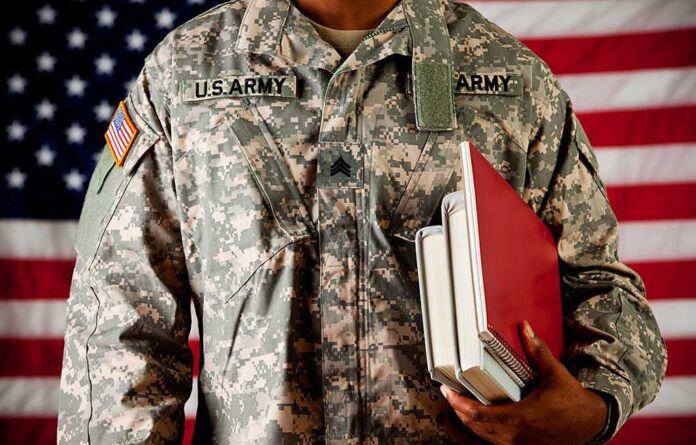
The U.S. Army just raised its maximum enlistment age to 42 and eliminated waivers for minor marijuana offenses—changes that echo the desperate recruiting measures of the Iraq War era, now deployed as America finds itself embroiled in yet another Middle East conflict under a president who promised to keep us out of new wars.
Story Highlights
- Army Regulation 601-210 increases enlistment age from 35 to 42 effective April 20, 2026, matching Air Force and Space Force standards
- Single marijuana possession or paraphernalia convictions no longer require waivers, streamlining recruitment amid wartime demands
- Policy mirrors 2006 Iraq War-era expansion, raising questions about troop needs following U.S./Israeli strikes on Iran in February 2026
- Average recruit age has climbed to 22.7 years in FY2026, up from 21.1 a decade ago, signaling fundamental shifts in military demographics
Wartime Recruiting Echoes Iraq Era Desperation
The Army’s March 20, 2026 update to Army Regulation 601-210 brings the maximum enlistment age to 42 for the Regular Army, Army National Guard, and Army Reserve. This isn’t new territory—the service previously raised the cap to 42 in 2006 during the height of the Iraq and Afghanistan wars, only to lower it back to 35 around 2016. Now, with American troops deploying to the Middle East following February 28 strikes on Iran, the Army is dusting off the same playbook. For Trump supporters who voted to end endless wars, this should sound alarm bells about mission creep and broken promises.
Marijuana Policy Reflects Shifting Social Standards
The updated regulation eliminates waiver requirements for prospective recruits with single convictions for marijuana possession or drug paraphernalia. Army officials characterize this as modernization aligned with state-level marijuana legalization trends, cutting administrative delays that previously slowed qualified candidates. While this change reflects common-sense recognition of evolving drug laws, it raises concerns about lowered standards during wartime. The timing—coinciding with FY2026 NDAA implementation signed December 18, 2025—suggests Pentagon-wide pressure to fill ranks quickly. Conservatives should question whether we’re genuinely modernizing or simply scraping the bottom of the barrel for another regime-change adventure.
Recruiting Crisis Meets Geopolitical Reality
The Army missed its Regular Army recruiting goals in FY2022 and FY2023 before rebounding in FY2024, largely through incentives and relaxed standards. Army Recruiting Division chief Madison Bonzo confirms the average recruit age has jumped from 21.1 years in the 2010s to 22.7 years so far in FY2026. Officials tout accessing “older labor market” skills and diversifying the talent pool, but the subtext is clear: younger Americans aren’t volunteering in sufficient numbers. The Army now aligns with the Air Force and Space Force at age 42, while the Navy and Coast Guard cap at 41 and the Marine Corps at 28. This expansion targets the 35-42 age cohort and individuals with marijuana histories—groups previously excluded—to meet deployment demands amid escalating Middle East tensions.
Constitutional Concerns and Troop Commitments
The FY2026 NDAA mandates Selective Service automation by December 18, 2026, raising draft speculation even as voluntary recruitment standards loosen. For a base that overwhelmingly supported Trump’s “America First” platform, the juxtaposition is jarring: we’re simultaneously making it easier to enlist older, previously disqualified recruits while laying groundwork for conscription. The policy takes effect April 20, 2026, less than two months after the Iran strikes. Army spokespersons emphasize alignment with Department of Defense standards and faster processing, but they conspicuously avoid discussing physical fitness risks or long-term health costs associated with older recruits undergoing basic training. Conservatives must ask whether these measures serve genuine national defense or fuel another decades-long occupation that drains American blood and treasure while our own borders remain porous and our fiscal house crumbles.
Army raises enlistment age to 42, eases marijuana conviction restrictions https://t.co/MZDsE5k7Qu
— The Washington Times (@WashTimes) March 26, 2026
The 2006 precedent ended badly—two unfinished wars, thousands of American lives lost, trillions spent, and negligible strategic gains. As the Army resurrects the same desperate recruiting tactics in 2026, Trump-supporting Americans deserve straight answers about why we’re expanding eligibility to fight in Iran when the President promised no new wars. This policy reveals the uncomfortable truth: either voluntary enlistment is collapsing under the weight of public skepticism about foreign interventions, or Pentagon planners anticipate sustained, large-scale combat operations that will require every available body. Neither scenario aligns with the limited-government, anti-interventionist principles that put Trump back in office. Families considering military service should weigh whether serving in another Middle East quagmire justifies the sacrifice, especially when constitutional liberties and fiscal responsibility face existential threats at home.
Sources:
Army ups max enlistment age to 42 – Stars and Stripes
Military enlistment age limits 2026: Army raises cap to 42 – FOX LA
Army extends maximum recruitment age to 42, allowing older Americans to enlist – ABC News
Army raises maximum enlistment age to 42 – Military Times
Army raises maximum enlistment age to 42 – Army Times