A state senate campaign in suburban Indiana ran headfirst into a police report, a bag of alleged cocaine, and the brutal timing of early voting.
Story Snapshot
- Police arrested Democratic state senate candidate Andrew Dezelan on April 26, 2026, while he was out canvassing in Fishers, Indiana.
- Officers reported signs of impairment, a brief struggle during detention, and alleged cocaine found in Dezelan’s vehicle.
- Prosecutors filed charges for cocaine possession and misdemeanor resisting law enforcement as the May 5 primary approached.
- A Hamilton County court set bond at $10,000, and reporters said they could not immediately reach Dezelan or his attorney.
How a Routine “Solicitor” Call Turned Into a Candidate Arrest
Fishers police responded around 8 p.m. Sunday, April 26, after someone reported a person soliciting in a residential neighborhood. Officers located Andrew Dezelan, 38, at a neighborhood clubhouse and identified him as a Democratic candidate in Indiana Senate District 31. Reports say officers observed signs consistent with impairment and moved to detain him. What usually ends as a quick “move along” conversation escalated into an arrest with statewide consequences.
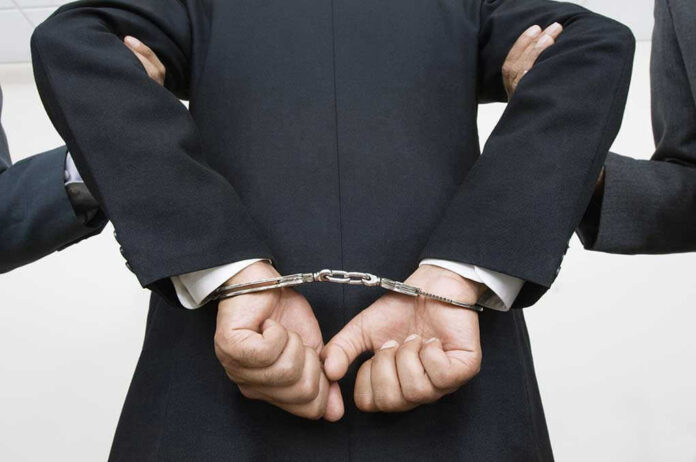
Police accounts say Dezelan resisted during the detention, creating a brief struggle before officers took him into custody. After that, officers searched and reported finding cocaine in his vehicle. Dezelan now faces a possession charge and a misdemeanor resisting law enforcement charge. The hard part for any voter is separating the theater from the timeline: this wasn’t a years-old skeleton dug up by opposition research; it unfolded in real time, on the doorstep circuit.
Why the Timing Matters More Than the Headlines
Early voting changes the blast radius of any late-breaking scandal. The arrest landed in the narrow window when some voters had already cast ballots and others were still deciding. That timing turns a campaign into a moving target: people who already voted can’t “unvote,” while undecided voters suddenly weigh something far more basic than policy. Campaigns usually fear a bad debate; they fear an arrest during early voting even more.
District 31 includes parts of Fishers and Lawrence Township, and the contest had enough candidates to dilute attention: four Democrats and four Republicans were vying for the seat, according to local reporting. A crowded field creates a different kind of vulnerability. When one candidate collapses, the remaining candidates don’t just gain oxygen; they inherit a skeptical electorate that starts asking, “Who vetted whom, and how did we get here?”
The Candidate’s Background Makes the Optics Worse
Dezelan wasn’t a political newcomer learning how precinct walks work. Reports describe him as a Fishers resident who previously served as policy director for the Indiana Senate Democratic Caucus. That detail matters because voters tend to assume staffers who climb into candidacy understand scrutiny, discipline, and the basic rules of self-control. When allegations involve cocaine and resisting police, the public reads it less as a mistake and more as a character reveal.
WFYI reported that it could not reach Dezelan or his attorney immediately after the arrest. Silence might reflect legal advice, the chaos of booking, or something else entirely. Politically, though, silence creates an information vacuum that gets filled fast. Opponents don’t need to invent anything when the arrest itself is the story; they only need to repeat the uncontested facts: the date, the location, the charges, and the bond.
Common-Sense Standards Voters Still Expect
American conservative values tend to treat public service as a trust, not a performance. Voters can debate marijuana policy, sentencing reform, and addiction support, but most still agree on a simple rule: candidates should not be impaired while asking for power. If the allegations hold, the conduct wasn’t private self-destruction; it happened while approaching homes in a neighborhood. That crosses from personal failing into public irresponsibility.
Resisting law enforcement adds another layer because it collides with the “respect the badge” expectation shared by many working families, including plenty of moderate Democrats. People can argue about policing policy while still expecting compliance during a stop. When a candidate allegedly struggles with officers, it invites blunt questions about temperament under pressure. Legislating requires restraint; so does a routine encounter with police in a clubhouse parking lot.
What Happens Next for the Race and the Party
Bond was set at $10,000 at a Hamilton County hearing after Dezelan was booked into jail, according to reports. The campaign’s next steps remained unclear in early coverage: withdrawal, a defiant stay-in, or a quiet exit. Each option carries costs. Staying in keeps the story alive through Election Day. Leaving triggers party damage control and forces voters to recalibrate quickly, sometimes after already voting.
You Can’t Make This Up: Indiana Democrat Busted After Allegedly Campaigning While High on Cocaine https://t.co/AYb533F6S9
— LaurieDoberman (@LaurieDoberman) April 28, 2026
One report described Dezelan as the second candidate arrested ahead of the May 5 primary, a detail that should worry anyone who cares about institutional seriousness. Parties can’t control every private weakness, but they can raise the bar on screening, expectations, and consequences. Voters in District 31 deserve a contest about taxes, schools, roads, and safety—not a referendum on whether candidates can stay sober long enough to knock on a door.