
An impeachment drive against Secretary of Defense Pete Hegseth now centers on whether the administration broke the War Powers Resolution by waging war with Iran without clear approval from Congress.
Story Snapshot
- Rep. Thomas Massie filed eight impeachment articles naming Hegseth and citing war-powers violations.
- The filing says Congress never passed authorization or extended the 60-day deadline for Iran hostilities.
- Hegseth rejects the effort as “political theater” and vows to press on with the mission.
- The case tests how far Congress can enforce its war-making power against the executive branch.
What Massie Filed And Why It Matters
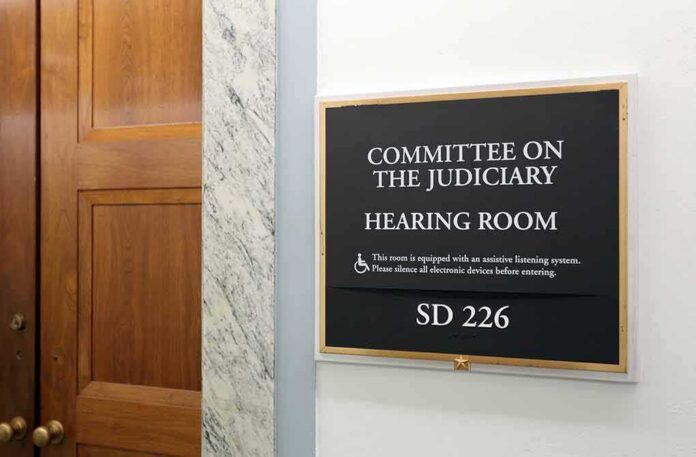
Representative Thomas Massie introduced a 34-page impeachment resolution on September 15, 2026. The resolution names Secretary Pete Hegseth and lists eight articles of impeachment. The lead charges claim violations of the War Powers Resolution. The allegations focus on the Iran conflict and say the administration initiated and continued hostilities without a declaration of war or specific authorization from Congress. The House referred the measure to the Judiciary Committee for consideration, which is the first step toward a vote.
The resolution cites specific sections of the War Powers Resolution. It points to section 2(c) on when force may be used, section 5(b) on the 60-day limit, and section 5(c) on congressional direction to withdraw. It states that during the 60 days after the president reported to Congress, no authorization passed and no lawful extension occurred. It further claims the administration kept U.S. forces engaged in Iran beyond those limits, which the filing says violates federal law.
The Core Dispute Over Authorization And Deadlines
At the heart of the case is a simple question with big stakes: Did Congress authorize this war or extend the deadline? Massie’s filing says no. It stresses that no declaration or specific statute approved hostilities with Iran, and that the required pullback did not happen after the time limit. News reports from multiple outlets confirmed the filing and summarized these central claims the day it was introduced, adding public weight to the document’s release.
The evidence offered so far is allegation-centered. The public record shows Massie’s charges, but not all the underlying documents. The available sources do not include the classified legal opinions, detailed timelines, or orders that could link each decision directly to Hegseth. They also do not show a final House vote or any Senate trial. That means the dispute is active and unresolved, and the legal merits will likely depend on records that are not yet public.
How Hegseth And The Pentagon Are Responding
Secretary Hegseth has spoken in strong terms against the impeachment push. He calls it “political theater” and says it will not force him from office. He argues the Iran war is a “courageous and historic” effort to prevent Iran from getting a nuclear weapon. He also urges American troops to “ignore the noise” and stay focused on their mission while Congress fights over politics, signaling no change in military posture.
Now here's the part worth watching. 👀
Republican Thomas Massie introduced articles of impeachment against Pete Hegseth BEFORE the midterms. Democrats are now backing the effort.
The election-fraud allegations still need actual proof.
But the impeachment fight is real.
What… https://t.co/yQa8JBpmUh
— JonathanFrye (@jonathan_f32966) November 8, 2026
A Pentagon statement backs Hegseth’s leadership. The department says it remains unified and focused on putting U.S. warfighters and national interests first. This message seeks to calm the ranks and the public during a tense political moment. It also signals that, absent a clear legal order, the department will continue operations as directed by the commander in chief and the secretary of defense while Congress debates next steps.
Why Both Sides Of The Aisle Are Watching Closely
Americans across the spectrum are tired of leaders dodging hard choices. This fight cuts to who decides when the nation goes to war and how long it stays there. Congress claims the power to authorize and end hostilities. The executive claims the need to act fast to keep the country safe. The impeachment filing puts that clash on paper and seeks to enforce deadlines that many in Washington have long treated as flexible or symbolic rather than binding law.
What To Watch Next
Watch for three things. First, whether House leaders allow hearings that demand the missing records, including the timeline of hostilities and any claimed legal basis. Second, whether members can verify if Congress ever passed a valid extension or withdrawal direction and how the executive answered. Third, whether new evidence ties Hegseth personally to the key decisions. Any of these could shift votes and decide if this moves from allegation to a formal impeachment trial.
Sources:
facebook.com, abc6onyourside.com, knoxnews.com, npr.org
© headlineupdates.com 2026. All rights reserved.