
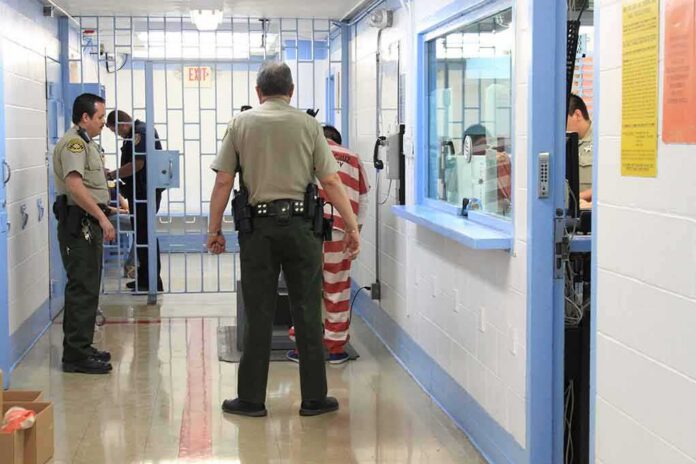
U.S. immigration officers detained British commentator Milo Yiannopoulos in Louisiana and moved him into federal custody, highlighting how fast the system acts when it wants to.
Story Snapshot
- Immigration officers detained Milo Yiannopoulos in Louisiana and booked him into federal custody.
- Reports placed him at a major immigration hub near Alexandria, Louisiana.
- Media cited the federal detainee locator to confirm his custody status.
- Officials have not publicly explained the legal reason for the detention yet.
What Happened And Where He Is Now
Reporters said U.S. Immigration and Customs Enforcement detained Milo Yiannopoulos in Louisiana and placed him in federal custody. TMZ first reported the detention and said inmate records showed he was held at an immigration detention center. Fox News reported that he was being held in or near Alexandria, a major deportation hub for federal immigration cases. The Verge said his name appeared in the federal detainee locator, which signals active custody.
Officials did not release a detailed reason for the detention at the time of the first reports. TMZ and other outlets noted that the circumstances were not yet clear. Early immigration stories often lock in status details before the legal basis becomes public. That pattern tracks with how the federal detainee locator works and with normal agency communication timelines. Readers should expect more specifics once charging or removal paperwork is filed and shared.
How Reporters Confirmed Custody
Outlets pointed to the federal Online Detainee Locator System to confirm that Yiannopoulos was in custody. The Department of Homeland Security created this tool to let the public find people held for civil immigration violations. The system allows searches by name or by alien registration number, and it updates as people move between facilities. The Verge said it confirmed his listing in custody records, which supports the reports of his detention in Louisiana.
Lawyers and advocates often use the locator first, then call local field offices if details are missing. Agency transfers and intake steps can cause brief delays in public listings. The agency’s own guidance explains how to locate individuals and why records may not appear instantly after an arrest. This explains why initial reports stressed that custody was clear, while the “why” would take longer to surface through formal documents or a statement.
Why This Case Struck A Nerve
Yiannopoulos is a well-known figure, which made a routine immigration action a national story. Supporters and critics both watched for proof of unequal treatment. Rapid custody confirmation through the detainee locator helped anchor the facts and cut through rumor. At the same time, the lack of an immediate public explanation fed concerns on both the right and the left that the system is fast when it chooses to be but slow to explain itself.
JUST NOW: British citizen and former Kanye chief of staff Milo Yiannopoulos has been detained by ICE while in Louisiana — TMZ
The apprehension took place in an AIRPORT, and he's now in an ICE detention center.
🇺🇸 pic.twitter.com/OUpkBYQBKW— Q17 Warrior (@q17_warrior1776) August 29, 2026
This episode shows a broader tension that many Americans feel. People want clear rules, even enforcement, and honest timelines. When a high-profile person is detained quickly, it raises the bar for transparency in every other case. The federal government built tools to make detention more visible, but the tools do not always answer the key question people care about: why this person, under what law, and what happens next.
What To Watch Next
Watch for an official explanation that states the legal basis for the detention and the next steps in removal or release. Look for court filings or agency notices that describe visa status, prior orders, or alleged violations. Also track whether he remains in Alexandria or is transferred, since location changes can signal pending flights or hearings. These documents, not social media takes, will set the path and timeline from here.
Sources:
lifesitenews.com, tmz.com, newrepublic.com, alternet.org
© headlineupdates.com 2026. All rights reserved.