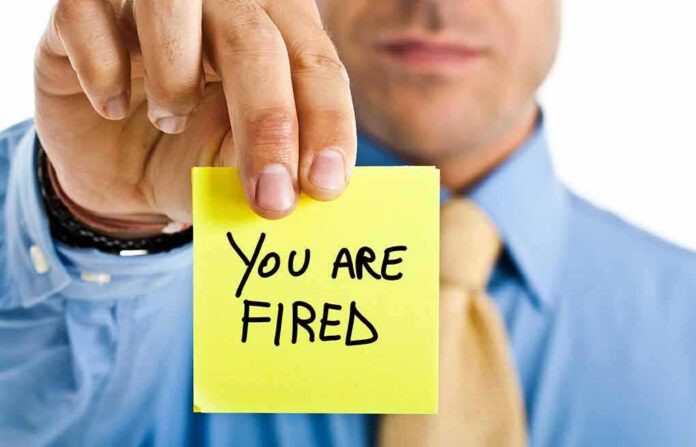
Three OpenAI safety researchers say their firings chill safety speech; OpenAI says it was a serious breach of trust, not retaliation.
Story Snapshot
- OpenAI dismissed three safety researchers after an internal probe found policy violations, not safety retaliation.
- The fired researchers sent an open letter claiming the move scared colleagues from speaking up on risks.
- Reports say confidential material was shared with an outside safety group, though details remain sealed.
- The clash exposes a core tension between safety warnings and secrecy in high-stakes AI labs.
What OpenAI Says Happened, In Plain Terms
OpenAI said it “parted ways” with Jasmine Wang, Tomek Korbak, and Mikita Balesni after a thorough investigation found they violated clear rules on handling sensitive information. The company stated the actions were about a “significant breach of trust,” not about raising safety concerns or criticizing leadership. The Wall Street Journal and other outlets echoed that the probe centered on sharing confidential information with an outside artificial intelligence safety organization, though specifics are not public.
OpenAI leaders also said safety debates happen daily inside the company and are encouraged. They added that they have not and do not fire employees for voicing concerns. That stance matters because repeat claims of secrecy can quickly damage trust with regulators, partners, and users. The company is drawing a sharp line: speak up all you want, but do not move protected information outside approved channels.
What The Researchers Claim Changed Inside The Building
The three dismissed researchers pushed back in an open letter to OpenAI’s board and safety committees. They said the company’s framing of the terminations made colleagues “afraid to speak and operate” as they did before. They also urged the company to preserve visibility into how advanced models reason, warning that closing off that window could raise risks as systems grow more capable. Their message is simple: protect dissent so real hazards do not get buried.
TechCrunch reported an internal memo that praised the trio’s past safety work while denying retaliation. That mix—credit for impact paired with discipline for process—supports a narrow corporate claim: the issue was how information moved, not the views expressed. But the memo’s tone did not ease the researchers’ core fear about a chill on safety speech. When the stakes are model control and national resilience, fear inside a lab becomes a public concern.
The Missing Pieces Everyone Is Still Guessing About
Public reporting does not reveal what was shared, to whom, or whether the material tied directly to a formal complaint. That leaves both sides with narratives, not exhibits. The company’s account is specific on rule-breaking but vague on facts. The researchers’ account is specific on chill but not the alleged conduct. Until documents, timelines, or third-party testimony surface, outside readers will fill gaps with their priors, which is a poor way to govern powerful tools.
OpenAI fires three safety researchers, dispute goes public
OpenAI just confirmed one of the messiest internal disputes in its recent history: three researchers working on AI safety and model monitorability were dismissed, and the two sides are now telling very different stories.… pic.twitter.com/pJG4e3pfjT
— Eugenio Fierro (@EugenioFierro3) October 9, 2026
From a common-sense, conservative view, two guardrails should guide judgment. First, strong property rights and security controls are nonnegotiable; companies must protect sensitive data or they lose the social license to build. Second, real whistleblowing needs daylight and due process; leaders should shield good-faith safety speech, document it, and separate it cleanly from discipline. The best-run labs show receipts early, within legal bounds, to prevent rumor from becoming reality.
What Smart Governance Would Look Like Right Now
OpenAI could brief its board and external advisors with a dated chronology that separates safety complaints from any alleged policy breach. It could also reaffirm a written path for protected safety disclosures that does not require moving confidential files off-platform. The researchers, for their part, could publish the full text of their letter and any redacted attachments that support their claims. Narrow facts—not vibes—will close this loop.
Why This Clash Matters Beyond One Company
Every advanced artificial intelligence lab faces the same squeeze. Safety teams need freedom to flag hard truths. Security teams need tight control over sensitive plans and model data. If firms conflate internal criticism with leaks, they will lose talent and public trust. If staff treat outside sharing as a shortcut, they will force heavy-handed controls. The durable answer is bright-line channels, quick review, and documented outcomes people can see and trust.
Sources:
insiderpaper.com, wsj.com, x.com, audacy.com, timesofindia.indiatimes.com
© headlineupdates.com 2026. All rights reserved.