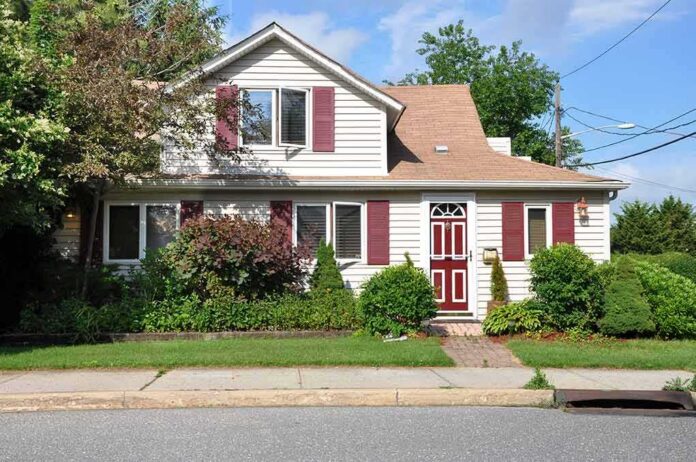
A broken hip, a plumbing fix, and then two missing years while strangers filled a 76-year-old’s home.
Story Snapshot
- A San Diego senior says a hired repairman took control of her City Heights house.
- She alleges he changed utilities to his name and rented rooms to about 15 people.
- Deputies and a private removal team regained the home after a formal eviction.
- Missing trust paperwork slowed action until records were found and filed.
How a routine repair allegedly became a takeover
Rose Smith, 76, left her City Heights home to recover from a broken hip. She hired a man to fix plumbing. She says he stayed, then locked her out, and brought in occupants. Smith told a local station, “He just took over… before we knew it, there was like 15 people.” The report places the start in her recovery period and ties the address to City Heights in San Diego. The claim is straightforward and chilling because it begins like any normal home repair call.
Smith says the man changed the utilities into his name and began renting rooms. That claim adds an administrative layer that often signals control. Utility accounts, mail, and keys can create a paper trail that some actors use to claim tenancy. Reports repeat the 15-person figure and the alleged lockout, which would magnify wear, risk, and costs for any owner facing a long return fight. This is the precise situation most homeowners never imagine when they call a repair worker.
The long road back: paperwork, process, and patience
Smith’s property sat in a trust, and the key documents were missing. That gap mattered. California uses the unlawful-detainer court process to settle possession. Owners must show the right to act. Reports say the team later found the trust records at the county recorder’s office. Only then could the formal eviction start, which added months. Deputies worked with a private removal firm to execute the final turnover after court steps were complete.
California channels most occupancy disputes into court because facts can blur. A person inside a home may claim a lease, verbal consent, or other permission. The system sorts that through notices, filings, and a judge, not a midnight lock change. That protects due process but can delay relief when owners lack documents or when multiple occupants appear over time. Smith’s ordeal shows how paperwork can be the key that unlocks the front door—literally.
What we know, and what it teaches every homeowner
The core arc is consistent across reports. Smith left to heal. A hired worker stayed, locked her out, changed utilities, and brought in many people. The number cited is about 15. The fight to reclaim the house lasted about two years and ended only after a structured eviction with the San Diego County Sheriff’s Office and a private removal team on site. One brief caveat: media accounts do not name the alleged worker or include his response.
Common sense and conservative values align on this point: property rights mean little without fast, fair enforcement. States have a duty to draw a bright line between a tenant with a lawful claim and an opportunist who leverages delay. Several states have moved to criminalize squatting, reflecting a push to deter rapid takeovers and long standoffs. California is among the states that enacted measures responding to these concerns. The rules must protect both due process and owners’ clear title.
Lessons that shorten the next nightmare
Owners should lock down the basics before trouble starts. Keep trust papers, deeds, and any power-of-attorney letters scanned and shared with a trusted relative and an attorney. Vet workers through license records and permits. Keep utility accounts in your name, set up alerts, and place a freeze on unauthorized changes. Document every entry with time-stamped photos. When in doubt, call police for a trespass report, then move fast to civil court with counsel who knows unlawful-detainer timelines.
https://t.co/ccCUtEeLNy San Diego senior speaks out after plumber became a squatter, rented out rooms in her home
— Regi Bonner (@regibonn) November 13, 2026
Local governments can help by posting clear checklists for owners, fast-tracking identity and title verification, and aligning sheriff procedures with court-issued writs so execution does not stall. Lawmakers should tune statutes to stop brazen takeovers while keeping real tenants protected from wrongful lockouts. Smith’s case is a hard reminder: good laws and good paperwork are the best locks. When both are strong, bad actors run out of doors to open.
Sources:
facebook.com, realtor.com, federalisttimes.com, newsfinale.com, brightgram.com, calbar.ca.gov, rilegislature.gov
© headlineupdates.com 2026. All rights reserved.