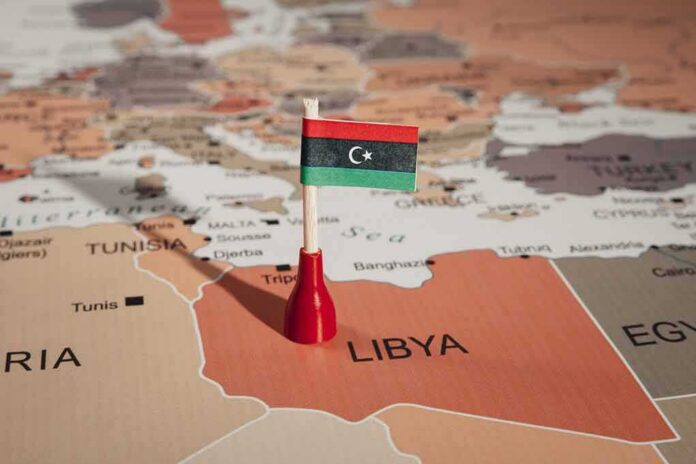
The State Department’s Libya warning now tells Americans to avoid the country entirely and prepare for worst‑case scenarios.
Story Snapshot
- The State Department set Libya at Level 4: Do Not Travel due to multiple severe threats.
- Officials cite crime, terrorism, kidnapping, civil unrest, armed conflict, and leftover mines.
- There is no U.S. Embassy in Libya, limiting help if things go wrong.
- Security alerts echo the same top-tier warning and risks on the ground.
State Department Issues Highest-Level Libya Warning
The U.S. State Department says Libya is a Level 4: Do Not Travel destination. Officials warn Americans not to visit for any reason. The advisory cites crime, terrorism, kidnapping, civil unrest, armed conflict, and unexploded landmines. This is the government’s strongest warning for travel risk. The message is simple and blunt to cut through noise. The advisory places Libya in the highest danger tier used by the State Department for global travel.
The Department’s public list of advisories shows Libya at Level 4 with risk indicators for unrest, crime, kidnapping, terrorism, and other hazards. This index helps travelers compare risk at a glance. The Libya entry stands out for how many severe risks it includes at once. This format reflects a policy approach that focuses on total risk, not just one issue. The listing confirms the update and shows its effective date for public reference.
Why The Warning Is So Severe Right Now
Officials describe a mix of dangers that can stack up fast. Armed groups operate in parts of the country. Crime remains high, and kidnappers have targeted Westerners in the past. Terror groups are still active in North Africa. Old conflicts left behind landmines and other live ordnance. Civil unrest can spark with little warning. These factors together make movement risky and rescue harder if trouble hits.
The U.S. government also points to a key gap in support. There is no U.S. Embassy in Libya today. Without a post on the ground, basic help is limited. Consular teams often anchor evacuations, document help, and legal guidance. In Libya, Americans must seek help through offices outside the country. That delay can matter during a crisis or an arrest. The government flags this constraint so travelers know the tradeoffs before they go.
What Travelers Are Being Told To Do
Security alerts tied to the advisory repeat the same clear message: do not travel to Libya. They cite the same drivers of risk and urge Americans to avoid nonessential trips. If someone goes anyway, the guidance stresses high security planning. That includes secure transport, vetted local support, and strict movement control. The point is not to improvise in a high-risk zone. The alerts align with the core warning and show no sign of risk easing soon.
"Do not travel to Libya for any reason."
Americans planning a trip to Libya are being urged to reconsider those plans, as the U.S. State Department issues its strongest possible travel warning.
The Level 4 advisory cites widespread kidnapping, terrorism, landmines and other… pic.twitter.com/OlquUTJLJZ
— Fox News (@FoxNews) September 5, 2026
Media coverage has highlighted stark preparation steps discussed for travel to conflict zones. That includes making a plan for medical care and legal needs before departure. It also includes arranging next-of-kin documents. These measures sound extreme to many readers, but they match the Level 4 context. When a government issues its top alert, it is signaling that normal safety nets are weak or missing. The State Department’s own advisory is the firm baseline for that call.
What This Says About Wider U.S. Travel Policy
Libya’s status fits a wider pattern in U.S. warnings for active conflict states. When officials judge risks too high and support too thin, they keep the advisory blunt and broad. This approach can hold even if conditions shift from city to city. The aim is to protect citizens when the government cannot reliably help them. That is why many Level 4 advisories stay in place until several risk factors improve at once.
How Readers Should Use This Information
Families should check the advisory before booking. Employers should review duty of care policies for staff travel. Churches, schools, and nonprofits should pause trips into Libya. Travelers already in Libya should register with the State Department’s program and maintain daily check-in plans. Everyone should think hard about insurance that covers evacuation from war or terror. These practical steps match the Level 4 signal and the lack of an embassy presence on the ground.
Sources:
thegatewaypundit.com, travel.state.gov, foxnews.com, ly.usembassy.gov
© headlineupdates.com 2026. All rights reserved.