
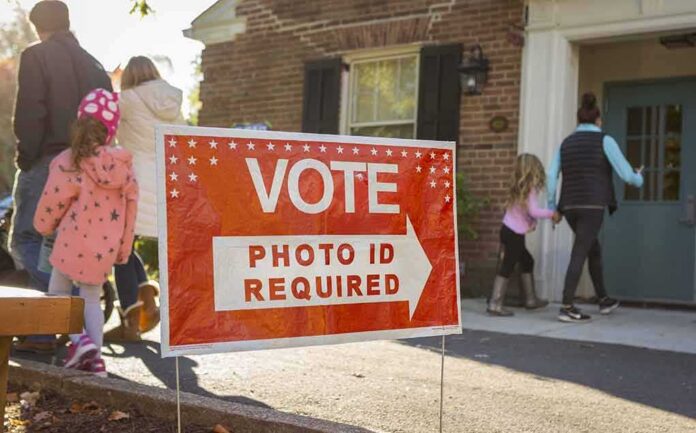
Louisiana voters will decide whether to raise the income cap for a homeowner assessment freeze to $150,000, expanding a tax protection for seniors and disabled veterans while raising questions about local revenue.
Story Snapshot
- The Nov. 3 ballot includes Amendment 9 to raise the special-assessment income cap from $100,000 to $150,000.
- The freeze locks in a home’s assessed value, not the final tax bill, and applies only to homesteads.
- Supporters cite inflation and fixed incomes; opponents warn of reduced funds for schools and services.
- Officials have not published a clear statewide fiscal impact or count of newly eligible households.
What Amendment 9 Would Change
Louisiana’s Amendment 9 would raise the income limit for a special assessment level on homesteads from $100,000 to $150,000. The change would apply to seniors, qualified disabled veterans, and surviving spouses who meet program rules. The Louisiana House summary explains that assessors can verify income using federal adjusted gross income on state tax returns. The measure also sets future inflation adjustments after 2028. Voters will decide the question on November 3 in a statewide election.
The special assessment does not erase property taxes. It freezes a qualifying home’s assessed value, which is the number used to calculate taxes. Millage rates can still change, so the total bill can rise or fall over time. Only a primary residence that already has the homestead exemption can qualify. State and local officials have tried to clarify this point because many voters hear “freeze” and assume the entire bill stops changing.
Who Qualifies and How it Works
The proposal targets a defined group. It applies to homeowners with a homestead exemption who also meet age, disability, or surviving-spouse criteria and pass the income test. The change matters for households now above the $100,000 cap but below $150,000. If voters approve, more of these owners could lock in their assessed value. Parish assessors would confirm eligibility by checking income data reported on Louisiana tax returns, which provides a clear, workable process.
Supporters frame the measure as relief for fixed-income seniors and disabled veterans who face higher insurance, repairs, and living costs. They argue a higher cap reflects today’s prices and wages. The plan also includes an inflation adjustment so the threshold does not fall behind again. That said, the public record does not show how many new households would join the program or what the total revenue effect would be for local taxing bodies across parishes.
What Opponents Say About Local Revenue
Opponents, including the Public Affairs Research Council of Louisiana, warn that expanding special property-tax breaks reduces dollars for local agencies and school systems. They recommend keeping the $100,000 cap. Advocacy groups make a similar case and say local governments would have to absorb lost revenue. Critics also warn of burden shifts onto fewer full-paying taxpayers as the population ages and more owners qualify for freezes on assessed value.
NOV. 3RD: Louisiana Mulls Property Tax Break for Veterans. Voters Get the Final Say pic.twitter.com/kqVxQUExPq
— SEGAMI (@segamihcfund) November 2, 2026
Some coverage notes that the amendment’s language places any decrease in ad valorem collections tied to the special assessment on the taxing authority rather than other taxpayers. That line aims to curb direct cost shifts through automatic millage changes. Still, without a statewide fiscal note, it is hard to judge how cities, parishes, and school boards would manage budgets if the tax base for assessed value grows more slowly due to more frozen assessments.
Key Timing and Voter Decisions Ahead
Official summaries describe an effective date framework that has caused some public confusion, including references to 2027 administration and later inflation adjustments. Voters should focus on two points: the higher $150,000 income cap and the fact that this is an assessed-value freeze for qualified homesteads, not a full bill freeze. The decision fits a long Louisiana pattern of using the constitution to shield certain homeowners while limiting how local governments respond to tax-base changes.
Sources:
military.com, house.louisiana.gov, shreveporttimes.com, sos.la.gov, sanluisobispo.com
© headlineupdates.com 2026. All rights reserved.