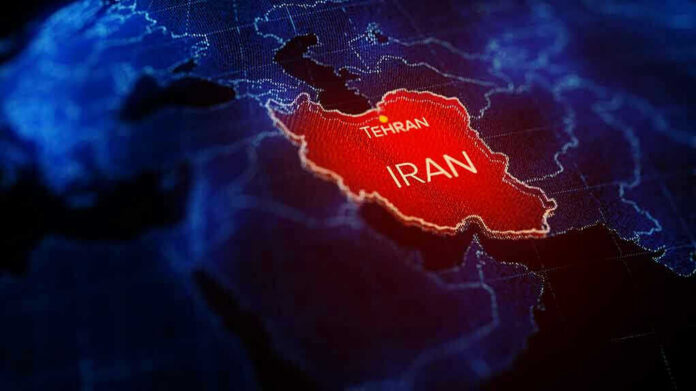
headlineupdates.com — The most explosive part of the U.S.–Iran story is not the 60‑day ceasefire itself, but the fact that both sides are selling the same memorandum of understanding as two very different deals — while everything still hangs on one man’s signature.
Story Snapshot
- U.S. and Iranian negotiators say they have a 60‑day memorandum to extend the ceasefire and launch nuclear and sanctions talks.[1][2][3]
- The deal is not in force yet; it still needs President Donald Trump’s personal approval.[1][2][3][4]
- Supporters call it a necessary step to stop a wider Middle East war and reopen the Strait of Hormuz.[1][2]
- Skeptics warn it is a time‑buying truce that may weaken pressure on Tehran without delivering real nuclear limits.[1][2][3]
What the 60‑day memorandum actually does, and what it pointedly does not do
U.S. and Iranian negotiators have agreed on a 60‑day memorandum of understanding that would extend the fragile ceasefire already in place since early April and keep guns mostly quiet while diplomats talk.[1][4] The Soufan Center describes it as outlining a war‑ending framework and explicitly prolonging the ceasefire for “at least 60 days” while a broader accord is hammered out.[1] Axios reporting, echoed by Fox News, says the deal also launches talks on Iran’s nuclear program and sanctions relief rather than settling those issues now.[1][2]
None of this is automatic. The framework is not self‑executing; it sits in diplomatic limbo until President Trump signs off.[1][2][3][4] Fox News cites U.S. officials who stress that Trump wants “a good deal,” not merely a pause that lets Iran regroup.[1] Conservative hawks in Congress and outside government argue that a memorandum loaded with future promises but light on immediate verification risks replaying the worst parts of past Iran arrangements that front‑loaded relief and back‑loaded enforcement.[1][2][3]
How Iran’s version of the deal clashes with Washington’s talking points
Iranian‑linked voices describe the memorandum very differently. Analysts on Al Jazeera, citing Iranian state media, say Tehran sees the document as a nonbinding framework, a glorified extension cord for talks that still leaves major disputes unresolved.[3] One Tehran‑based analyst calls it a “time‑buying ceasefire, not a real deal,” stressing that key matters like nuclear sequencing and sanctions timing remain open.[3] That framing contrasts with U.S. messaging that leans forward, portraying the text as a substantial step toward a “war‑ending agreement.”[1]
The Strait of Hormuz sits at the center of this narrative gap. U.S. reporting highlights gradual reopening of the waterway and restoration of shipping lanes toward pre‑war levels.[2] Iranian outlets, by contrast, insist Tehran will continue to “manage” the Strait and reject any implication of unfettered Western passage as a done deal.[3] American conservatives who remember how the revolutionary regime has used maritime harassment as leverage hear Tehran’s definition of “management” as a red flag, not a reassurance.
The nuclear and sanctions trade: bridge to peace or bridge to nowhere?
The memorandum’s nuclear language is deliberately incomplete. The Soufan Center notes that it does not lock in concrete Iranian acceptance of strict nuclear limits; instead, it creates a window to negotiate those details into a later, permanent accord.[1] Axios reports that U.S. officials want Iran to commit to never developing nuclear weapons and to discuss suspending enrichment and cutting highly enriched uranium, but these are goals for the next 60 days, not firm, signed obligations today.[2]
🇺🇸🇮🇷 U. S. confirms second strike on Bandar Abbas days after ceasefire; Iran says it hit an American base in responsepic.twitter.com/RKjSnvN9Rd
— U.S.A.I. 🇺🇸 (@researchUSAI) May 28, 2026
Sanctions relief follows the same pattern: dangled, not delivered. Reporting indicates that any unfreezing of assets or lifting of sanctions would be conditioned on a final, verifiable agreement, with legal steps back‑loaded until implementation is proven.[1][2] That design reflects a lesson many conservatives drew from the Obama‑era nuclear deal: do not hand Tehran tens of billions and hope compliance follows. The risk is that by publicly advertising future relief, negotiators still weaken economic pressure before Iran actually changes course.
Why this fits a familiar, and dangerous, pattern in crisis diplomacy
This 60‑day ceasefire memorandum sits in a long line of “frameworks” that governments trumpet as breakthroughs before the text is public and before verification exists.[1][3][4] The 2026 Iran war ceasefire itself began with a short, Pakistan‑mediated truce whose details shifted as media and politicians filled in the blanks.[4] Neutral analysts note that this ambiguity serves both sides: diplomats can sell progress at home, while skeptics warn of hidden concessions or illusory gains.[3]
For Americans who value peace through strength, the question is not whether talking is better than shooting; it usually is. The question is whether this memorandum locks in a strategic advantage or merely pauses the fight while Iran tests red lines with missiles and drones under the cover of “defensive” moves.[2][3] Without a public text, robust inspections, and clear snap‑back penalties, the 60‑day clock can either buy space for a harder, smarter deal—or become just another countdown to the next crisis.
Sources:
[1] YouTube – BREAKING: U.S., Iran extend ceasefire pending President Trump’s …
[2] Web – U.S. and Iran Close in on a Framework Accord – The Soufan Center
[3] Web – Exclusive: What’s inside the Iran deal Trump is close to signing – …
[4] YouTube – 60-day deadline for Congress’ Iran war extension approval
© headlineupdates.com 2026. All rights reserved.