Federal agents seized Eric Swalwell’s devices and searched his Washington, D.C., home in a weekend operation tied to a sexual-misconduct probe, signaling a judge found probable cause for warrants.
Story Snapshot
- Reports say the Federal Bureau of Investigation (FBI) seized Swalwell’s devices at San Francisco International Airport and searched his D.C. home the next day.
- The Justice Department inquiry reportedly involves sexual-misconduct allegations by multiple women first noted months earlier.
- Declassified FBI records separately describe Swalwell’s admitted physical relationship with Christine Fang and related campaign-finance concerns; no charges were brought then.
- Swalwell denies any sexual misconduct and says he will fight the allegations.
What Authorities Did Over The Weekend
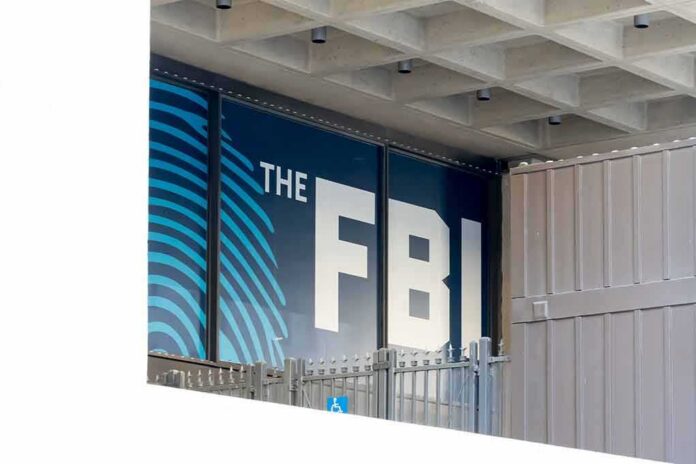
Reuters, NBC News, ABC News, and Forbes reported that FBI agents executed back-to-back warrants involving Eric Swalwell in August 2026. Agents allegedly took his electronic devices at San Francisco International Airport and searched his Washington, D.C., residence the next day. These outlets cite sources familiar with the matter because no affidavit or official filing is public yet. The reports state the operation is tied to a criminal probe focused on sexual misconduct allegations.
Search warrants generally require a federal judge to find probable cause under the Fourth Amendment. That standard means facts presented convinced the court that evidence of a crime likely exists in the places to be searched. The public often cannot see that basis until courts unseal documents. This secrecy is normal in active cases, but it leaves voters reading leak-driven updates without the underlying sworn details for now.
What We Already Knew Before The Search
The Hill reported in April 2026 that the Department of Justice was investigating Swalwell and that five women had come forward with sexual assault or misconduct allegations over several years. That earlier story set the stage for later steps by investigators. The current weekend reporting appears to reflect a more advanced phase of the same broader probe, though officials have not publicly linked the steps in a filing.
Separate from the sexual-misconduct claims, news outlets covered declassified FBI records about Swalwell’s past ties to Christine Fang. ABC7 reported the files said Swalwell told the FBI in 2015 that he had physical relations with Fang on a handful of occasions. The New York Times reported that the FBI looked at possible campaign-finance issues connected to Fang before closing that inquiry without charges. Those older findings are relevant context but are not the same as the current probe.
What Swalwell And His Team Say
Swalwell has denied the sexual-misconduct allegations. He has said they are false and that he will defend himself with facts and legal action if needed. He also said he made mistakes in judgment in his personal life but rejected claims of wrongdoing, including with staff. He has not been charged with any crime. His denials stand alongside the new reports of warrants, which indicate an active investigation but not a conclusion of guilt.
Because no public charging documents exist yet, the only on-the-record statements from his side are categorical denials. That leaves a familiar gap for the public: law enforcement is not speaking on the record, and the defense is. This imbalance can frustrate people across the political spectrum who want hard documents, not leaks or spin. Until courts unseal affidavits or prosecutors file charges, that gap will remain.
Why This Moment Matters For Trust
High-profile probes often unfold through anonymous-source reporting before records become public. That dynamic can feed cynicism about timing, politics, and fairness. Many Americans, left and right, already doubt that Washington plays by the same rules as everyone else. A warrant shows a judge saw enough evidence to proceed, yet the public cannot see it. That tension keeps anger hot and trust low until sunlight reaches the case file.
BREAKING: The FBI just Confronted Eric Swalwell at the Airport and SEIZED His Electronic Devices Agents also executed search warrants at his Washington, DC home this past Sunday. The walls are closing in quickly now… pic.twitter.com/GoCVIvsffv
— Sahra carter (@sahracater) August 20, 2026
For people worried about unequal justice, two realities clash here. First, the earlier Fang-related inquiry ended with no charges, which some read as proof that insiders skate. Second, the new warrants suggest fresh evidence persuaded a judge now. Both can be true over time. The key next step is transparency: unseal the warrant affidavit and the search inventory. Those documents would show what investigators are actually chasing and why the court agreed.
Sources:
pjmedia.com, forbes.com, abc7.com, justthenews.com, nytimes.com, nypost.com, katu.com, wcbm.com, tucson.com
© headlineupdates.com 2026. All rights reserved.