
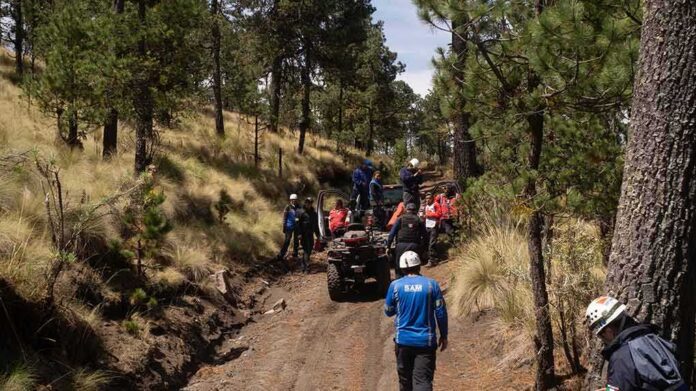
A 72-year-old California woman survived an estimated five to seven days alone before a joint search team found her and flew her to a hospital.
Story Highlights
- Rescuers found the 72-year-old alive in steep, remote terrain near the Shasta–Siskiyou county line.
- Search teams used dogs, ground crews, dirt riders, and a Jeep team across two counties.
- California Highway Patrol air operations hoisted her out and flew her to a hospital.
- The survival window is an estimate based on search-and-rescue reporting, not an exact timeline.
Rescuers Locate Missing Hiker In Rugged Canyon Country
Shasta County Search and Rescue said a Siskiyou County ground team found the woman alive in steep canyon terrain near the Shasta–Siskiyou county line. The area includes creeks, trails, dirt roads, and narrow shelf trails. Rescuers reported physical injuries and signs of exposure consistent with days outdoors. The Siskiyou County Sheriff’s Office first found her vehicle near the county line, which focused the search zone and triggered a joint response by both counties.
Search leaders deployed dog teams, ground crews, dirt riders, and a Jeep team to cover remote routes and rough ground. California Highway Patrol air operations handled the extraction by hoist due to the terrain and time concerns. The helicopter flew her to a hospital for treatment. Officials estimated she had been alone for five to seven days, based on the timeline tied to the missing report and search activity. Her name was not released in the report.
Why This Survival Stands Out Among Most Lost-Hiker Cases
Backcountry cases often resolve within hours, not days. A national look at backcountry search operations found that 85 percent of lost people are found within 12 hours and 97 percent within 24 hours. This case breaks that pattern by stretching close to a week, which is rare. That helps explain why it drew attention, even though most searches end faster and with less drama than the public might assume.
Large parks and rural counties manage many missing hiker calls each year. A study of Yosemite Search and Rescue case files showed most incidents involve hikers who get delayed, separated, or off route near common terrain features like ridges, roads, or streams. Rescuers plan around those patterns. Surviving several days in steep canyons adds risk from cold nights, injuries, and water hazards, which raises the stakes for both the subject and the teams.
How The Multi-Agency Response Came Together
Siskiyou County Sheriff’s Office locating the vehicle provided a key starting point. That allowed Shasta County Search and Rescue to match resources to likely travel corridors and hazards. Dog teams work scent along trails and drainages. Dirt riders and Jeep teams push deeper and faster on rough roads. Air crews move quickly once ground teams confirm a location and a safe hoist site. The mix aims to cut search time and reduce exposure risk to the subject.
NewsLatest Missing 72-year-old hiker beats the odds and survives a harrowing week alone in unforgiving California wilderness trendingnews https://t.co/BubVtubMnm
— Football Buzz (@footballBuzzz) October 7, 2026
Families and hikers should know that early, detailed 911 calls often speed help. Backcountry search leaders say most searches begin when a family member or observer reports a concern, like a parked truck that never moves. Clear details on the route, health needs, and gear can guide tasking and save hours. In many cases, that is the difference between a quick reunion and a complex rescue in dangerous terrain.
Limits On What We Know So Far
Officials reported an estimated survival window rather than a fixed clock. The report did not include a full incident log, a named subject, or medical details on dehydration or injuries. Those gaps are common early in rescue reporting, which often focuses first on finding the person and getting them care. What is confirmed is the location, the rugged terrain, the multi-agency teamwork, and the helicopter hoist to a hospital.
What This Says About Preparedness And Community Response
This outcome shows how local volunteers, county sheriffs, and state air crews can still move fast when seconds count. It also shows how a single clue, like a found vehicle, can rally teams and narrow the map. For hikers, simple steps help: share a plan, carry a light, layers, water treatment, and a whistle. For neighbors, report concerns early. These small actions make big government systems work better for real people in real danger.
Sources:
nypost.com, abc7.com, siskiyou.news
© headlineupdates.com 2026. All rights reserved.