
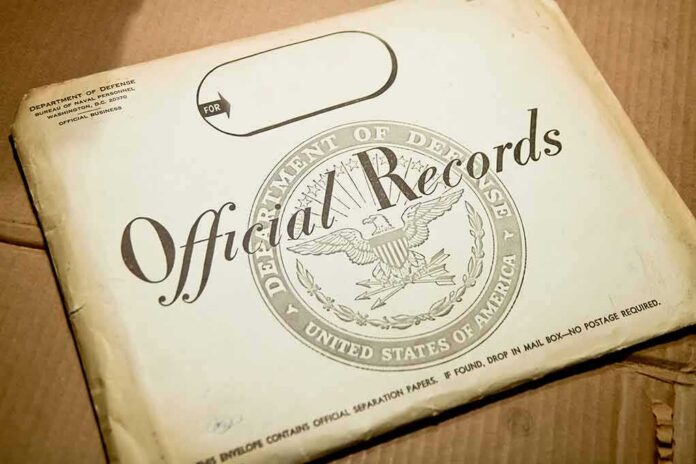
Nearly 1 million people are getting $500 Treasury checks this month because the White House says Obamacare marketplace fees overcharged them.
Story Highlights
- The White House said $500 “refund” checks will go to nearly 1 million people starting in October 2026.
- Treasury began mailing payments to about 950,000 Americans in 30 states that use HealthCare.gov.
- Eligible recipients bought Affordable Care Act plans without premium subsidies, often paying full price.
- Officials said the money comes from surplus marketplace user fees, totaling about $500 million.
Who Gets Paid and Why It Is Happening Now
The White House announced that nearly 1 million Americans will receive $500 checks starting in October 2026, calling them refunds linked to Affordable Care Act marketplace user fees. The payments focus on people who bought coverage through the federal HealthCare.gov website but did not get premium subsidies, including many who paid full price. Officials framed the checks as returning excess fees that insurers passed on to consumers through higher premiums, not as a new benefit.
News outlets reported the Treasury Department began sending the payments to about 950,000 people across 30 states that use the federal marketplace. People in states with their own exchanges are not included. Reporters noted the timing is weeks before midterm elections, which adds political heat to a real cash payment program that the administration values at roughly $500 million overall. Each check arrives with a letter signed by President Trump, underscoring his role in the action.
How the Refunds Work and Who Qualifies
Administration officials said the money comes from a surplus of fees charged to insurers that sell plans on the federal exchange, which are usually passed on through premiums. The government said the refunds will primarily reach people earning more than four times the federal poverty level who did not get premium help, and some people below that line who also did not receive subsidies. That design targets households who shoulder the full price of coverage and felt the squeeze of rising costs.
Eligibility is limited to residents in states that rely on the federal HealthCare.gov exchange rather than state-run marketplaces. This split reflects how fees are set and collected for the federally run platform versus state systems. It also explains why neighbors across a state border may be treated differently. The administration describes the payments as a correction of excessive fee collections, tied to operating costs for the federal exchange and its services.
What This Means for Families and the Bigger Picture
For many households, $500 is not a cure-all, but it helps cover a car repair, a month of groceries, or a utility bill. The checks also spotlight a deeper issue: health costs often rise in ways tied to behind-the-scenes fees and rules. When those fees are higher than needed, consumers can end up paying more without knowing why. Returning surplus funds signals that the government can correct course when collections overshoot real operating needs.
President Trump is sending $500 refund checks to nearly 1 million Americans after his administration says they were overcharged through the Affordable Care Act's federal insurance exchange.
"That money belongs to hard-working Americans, not the Government, and now I'm returning… pic.twitter.com/uiWLjfPql2
— Fox News (@FoxNews) October 3, 2026
The rollout lands in states with major races, which makes the policy feel political to many observers, even as the payments are real and already mailing out. Voters across party lines share concerns about rising costs, complexity, and fairness in health care. Clear documents on how the surplus formed and how payments were authorized would help build trust. For now, the core facts are firm: checks of $500 are going out, aimed at people who paid full freight on HealthCare.gov plans.
Sources:
washingtonpost.com, whitehouse.gov, reuters.com, foxnews.com, investopedia.com
© headlineupdates.com 2026. All rights reserved.