Toronto’s air turned hazardous as wildfire smoke from northwestern Ontario pushed the city into the world’s worst air-quality spot.
Quick Take
- Environment Canada warned that smoke from forest fires in northwestern Ontario was driving poor air quality in Toronto.
- Toronto’s air was ranked among the worst in the world on Wednesday morning, with IQAir placing the city at the top of the global list.
- The federal weather agency said the smoky conditions could last into Wednesday and affect much of southern Ontario.
- Officials urged people to limit outdoor time and reduce exposure, especially if they are more vulnerable to smoke.
Smoke Drives Toronto Into the Danger Zone
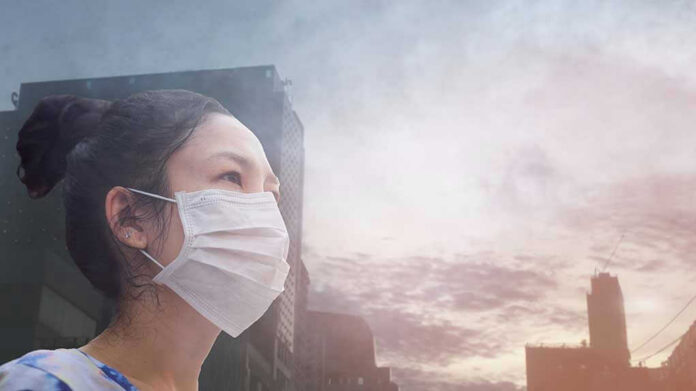
Environment Canada issued a yellow-level air quality warning for Toronto after smoke from forest fires in northwestern Ontario moved into the city. The agency said the smoke was causing, or was expected to cause, poor air quality and reduced visibility. It also said the smoke was affecting much of southern Ontario, not just the city core.
Global tracker IQAir ranked Toronto as the worst city in the world for air quality on Wednesday morning. That kind of ranking can change quickly, but the report reflects a real and immediate problem: dense wildfire smoke was sitting over one of Canada’s biggest cities and pushing pollution levels into the danger range.
Health Warnings and Public Advice
The federal alert said the poor air quality was expected to begin Tuesday night and continue through Wednesday. Environment Canada also told residents to limit exposure, stay aware of symptoms, and adjust outdoor plans if needed. Toronto’s own air quality guidance uses a yellow warning when the Air Quality Health Index reaches high-risk levels, which helps explain why officials treat these smoke events as more than a passing nuisance.
Health Canada says wildfire smoke carries fine particles known as PM2.5, which are the main health risk from smoke. The agency also says there is no known safe level of exposure for some of these pollutants. That matters because smoke often hurts people who already face the hardest daily costs from poor policy, weak infrastructure, or crowded housing: older adults, children, and people with breathing problems.
A Familiar Pattern in a Warming Season
This was not an isolated event. Toronto has repeatedly shown up near the top of global air-quality rankings during wildfire periods, and reporting this week said the city had already been near the top of the list earlier in the week. The pattern points to a wider problem: smoke does not stay in the forest. It moves south, crosses provinces, and turns a weather problem into a public health problem for millions.
View from my office window today. Toronto's air quality is ranked the worst in the world as wildfire smoke drifts into Ontario. The sky has taken on a surreal orange glow. Hoping for clearer skies and staying safe. 🧡🌫️#Toronto #weather #OntarioWildfires #AirQuality pic.twitter.com/baN0rYecYU
— Natasa BIkova (@nataliebikov) July 15, 2026
Public health officials in Ontario have also documented how severe wildfire smoke can be. A Public Health Ontario presentation on the 2023 wildfire season said smoke exposure was causally linked to a significant rise in asthma-related emergency department visits, with daily visits jumping by as much as 23 percent. That gives this Toronto alert broader meaning. It is not just a headline about haze. It is another reminder that when smoke spreads, the costs land on ordinary people first.
What the Air Warning Means for Toronto
Officials said the smoke could lower visibility and keep air quality in the high-risk range for part of the day. Toronto was later expected to improve, but the warning still underlines how fast conditions can shift when wildfire smoke drifts across the region. The city’s air can move from normal to hazardous in hours, leaving commuters, parents, and outdoor workers with little time to adjust.
The larger lesson is simple. Canada’s wildfire seasons now shape daily life far beyond the burn zone. When smoke can push Toronto to the top of a global pollution chart, the problem is no longer local or seasonal in any narrow sense. It is a recurring public health strain that reaches deep into the country’s biggest urban corridor and forces people to make basic choices about breathing, work, and travel.
Sources:
insiderpaper.com, globalnews.ca, cbc.ca, ctvnews.ca, stillcoviding.ca, toronto.ca, ncar.ucar.edu
© headlineupdates.com 2026. All rights reserved.