
For more than 25 years, Americans rubbed in yesterday’s sunscreen while the government sat on tomorrow’s.
Story Snapshot
- The Food and Drug Administration (FDA) just opened the door to bemotrizinol, the first new sunscreen active in over two decades.
- Europe and Asia used this filter since around 2000, while U.S. consumers waited through years of regulatory drag.
- Bemotrizinol brings strong, stable protection against both UVA and UVB rays with low skin absorption and rare irritation.
- The long delay raises hard questions about safety, bureaucracy, and whether U.S. rules still match common sense.
How a “new” sunscreen ingredient is already 25 years old
People in Europe and parts of Asia have used bemotrizinol in their sunscreens since the early 2000s, enjoying broad protection from both sunburn-causing UVB and deeper skin-aging UVA rays.[3] American shoppers, meanwhile, stared at the same old drugstore wall of sunscreens, because no new ultraviolet filter had cleared the United States process in more than 20 years.[3] That drought finally broke when the Food and Drug Administration added bemotrizinol to the official sunscreen ingredient list.[3]
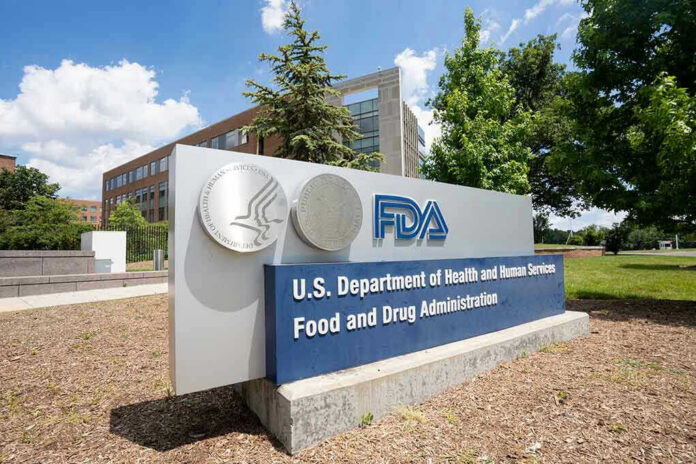
The Food and Drug Administration now calls bemotrizinol “a welcome addition” and says it protects against both ultraviolet A and B rays, has low absorption through the skin, and rarely causes irritation.[2] The agency has added it as a permitted active ingredient for adults and children six months and older, treating it as “generally recognized as safe and effective.”[2][3] In plain language, Washington has finally admitted what much of the world decided a generation ago.
What makes bemotrizinol different from your old sunscreen
Bemotrizinol is what chemists call a broad-spectrum filter, which means it shields against both the rays that burn and the rays that silently age and damage deeper skin layers.[3] Some older United States filters either lean heavily toward UVB or break down faster in strong sun. Derms abroad have favored bemotrizinol because it is more photostable and plays well with other filters in high protection formulas.[3] Many users also like that it tends not to leave a thick white cast.[3]
The Food and Drug Administration’s own summary lines up with that view. The agency found that bemotrizinol gives good UVA and UVB coverage, shows low levels of absorption into the bloodstream, and rarely causes skin irritation.[2] A clinical pharmacokinetic study, which looks at how a substance moves through the body, supported the low absorption finding under normal use. The ingredient was therefore judged safe enough for daily over-the-counter use in sunscreens by the agency’s standard.[3]
Why the FDA says the wait was worth it
Defenders of the Food and Drug Administration argue that this slow, grinding process is the price of caution. In the United States, sunscreen actives are regulated as over-the-counter drugs, not simple cosmetics. That means new filters must pass a high bar for safety and effectiveness before they go on sale. With bemotrizinol, the agency finally concluded the data met that bar and declared it “generally recognized as safe and effective” for people six months and older.
The Food and Drug Administration points out that this is the first new sunscreen active added under a modernized review process created by Congress, which was meant to unclog the sunscreen pipeline. Regulators emphasize that they looked closely at blood levels, long-term exposure concerns, and irritation risk before saying yes.[2] From that view, the long timeline reflects not laziness but a system built to move slowly whenever a chemical will be used on millions of people, every day, for years.
Why many doctors and consumers see a failure of common sense
Critics look at the same timeline and see red tape, not wisdom. Europe approved bemotrizinol as a sunscreen ingredient in 2000.[3] Dermatologists and public health advocates have spent years pointing out that Europeans enjoyed access to a broad range of newer, often more stable filters while Americans relied on a set that dates back decades. They ask why the Food and Drug Administration needed so many extra years when real-world safety data from abroad was piling up.[3]
From a common-sense, conservative angle, the core question is simple: at what point does “caution” become a form of harm? Sun exposure raises the risk of skin cancer, including deadly melanoma, and strong, stable UVA protection matters in the long run. If a filter is used safely overseas for decades, a 20-plus-year lag looks less like careful science and more like a system that forgot it is supposed to serve the public, not itself.[3]
What this means for your beach bag and beyond
For everyday Americans, the immediate takeaway is hopeful. The Food and Drug Administration has updated its own sunscreen guidance to note that bemotrizinol is now a permitted active ingredient.[3] Once companies finish their formulas and testing, you will start seeing products that include it on store shelves. These sunscreens should offer high, stable protection against both UVA and UVB, in lighter textures that more people will actually use every day.[2][3]
There is a bigger policy lesson here, too. Congress had to push the agency to modernize how it handles sunscreen ingredients because the old system let a 25-year innovation gap open up.[3] Bemotrizinol’s long road shows what happens when well-meaning safety rules drift into inertia. The best outcome now would be a Food and Drug Administration that keeps this new pace, judges new filters quickly but carefully, and remembers that blocking sunlight today can prevent cancer tomorrow.
Sources:
[2] Web – New sunscreen ingredient wins FDA approval after years of delay
[3] Web – The US FDA Just Approved Bemotrizinol, the First New Sunscreen …
© headlineupdates.com 2026. All rights reserved.