Ukraine’s planned outreach to Serbia shows how a single delayed trip can quickly become a bigger test of Balkan diplomacy.
Quick Take
- Reports first said President Volodymyr Zelenskyy might visit Serbia later that week, but the trip was then postponed.
- Ukrainian presidential adviser Dmytro Lytvyn said Taras Kachka would go instead to prepare issues.
- The public focus was on trade cooperation and bilateral ties, not an open break with Moscow.
- The strongest evidence points to active diplomacy, while the most dramatic symbolism remains unconfirmed.
What Was Reported
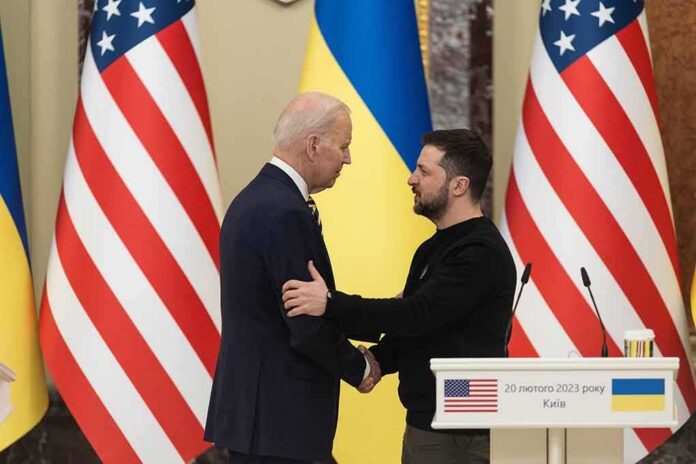
Media reports said a Ukrainian delegation was expected in Serbia later that week, possibly led by President Volodymyr Zelenskyy. If that had happened, it would have been his first visit to Serbia since taking office in 2019 and since Russia’s full-scale invasion of Ukraine in 2022. Those reports also said diplomats expected a joint memorandum of understanding on trade cooperation, which gave the visit a clear practical purpose rather than a purely symbolic one.
That early framing created a sharp political story before any final itinerary was made public. The strongest official update shifted the trip away from Zelenskyy himself. Dmytro Lytvyn said the visit would take place on other dates and that Taras Kachka would travel first to prepare certain issues. That correction matters, because it turns a dramatic presidential appearance into a lower-level preparatory mission.
Why The Visit Mattered
Serbia sits in a difficult position between the European Union, Russia, and Ukraine. That is why any possible Zelenskyy visit drew attention far beyond normal protocol. A first visit after the invasion would have carried clear symbolic weight, especially in a country often seen as cautious about angering Moscow. But the record available here leans more toward practical diplomacy than a public geopolitical break.
Zelenskyy’s own public message supported that narrower reading. He said he discussed bilateral relations with Serbian President Aleksandar Vučić and wrote that both sides believe those ties should be strong. He also pointed to development and future agreements, including work on a free trade area. That language emphasizes business, contact, and steady relations. It does not present the Serbia talks as a direct challenge to Russia.
What The Record Shows So Far
The available evidence shows active Ukraine-Serbia contact at a high level. The official Ukrainian presidency also reported Zelenskyy’s meeting with Serbian parliamentary speaker Ana Brnabić, where he thanked Serbia for supporting Ukraine’s territorial integrity. Earlier reporting said Ukrainian Foreign Minister Dmytro Kuleba and Olena Zelenska visited Belgrade in 2024, which shows the relationship did not begin with this episode. The pattern is one of continued contact, even if it is uneven.
Follow-up: Zelensky will make his first-ever visit to Serbia this Saturday, a senior Ukrainian official telling AFP it's a symbolic dig at Moscow.
The timing lands right inside Vucic's own election calendar: the same window as his resignation to PM pivot and the Sept 22…
— AutokratDaily (@AutokratDaily) August 6, 2026
That broader pattern also explains why the story moved so fast through the media. Early reports relied on diplomatic sources and journalist claims, which can make a tentative plan sound final before official confirmation arrives. Once that happens, a delayed visit can look like either a diplomatic opening or a missed political moment. In this case, the clearest confirmed fact is the rescheduling, not a completed presidential trip.
For now, the Serbia story is best read as a sign of ongoing talks, not a settled strategic shift. Kyiv clearly wanted to keep contact moving, and Belgrade stayed engaged enough to host related talks. But the evidence in hand does not show an official Serbian statement presenting the visit as a break with Russia. It shows a cautious, practical exchange that may still matter, even without the headline-grabbing symbolism first reported.
Sources:
insiderpaper.com, newsukraine.rbc.ua, censor.net, 021.rs, fakti.bg
© headlineupdates.com 2026. All rights reserved.