ABC’s federal lawsuit says the government used broadcast licenses to pressure news coverage, putting the First Amendment on the line.
Story Highlights
- ABC sued in federal court to stop an unusually early review of eight station licenses.
- The complaint claims the review is retaliation aimed at ABC’s news and programming choices.
- Regulators say the action stems from a discrimination inquiry, not speech concerns.
- Former officials called the early review a rare move that risks chilling speech.
What ABC Filed And Why It Matters
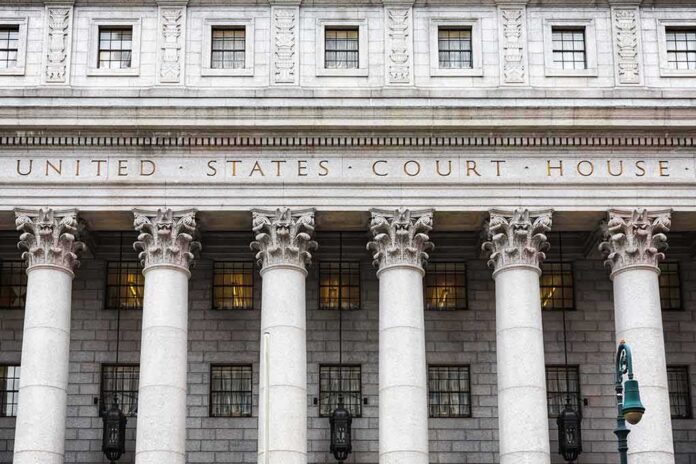
Disney-owned ABC filed a First Amendment lawsuit in the U.S. District Court for the District of Columbia. The filing seeks to halt the Federal Communications Commission’s early license-review process for eight ABC stations. ABC argues the April order sped up renewals by years and chills editorial decisions by tying licenses to coverage choices. The suit centers on free speech, not just procedure. ABC says the process itself can pressure future news judgments.
Reuters reported that the April order required ABC to file license renewals by late May, well ahead of the normal cycle. ABC says that timing is the point. Moving renewals forward raises the cost of speech by forcing the network to defend its content under the threat of license trouble. ABC frames the action as an attempt to influence what its journalists report and what viewpoints air on its programs.
How The FCC Explains The Early Review
Federal Communications Commission leadership says the ABC review is tied to a discrimination inquiry and public-interest enforcement, not to news content. Brendan Carr said the process arose from a yearlong look at Disney’s diversity, equity, and inclusion practices. He said there was no outside pressure to act and that the agency had not made a final decision. The commission maintains it will apply the law to the facts before it, as it does with other licensees.
This official rationale, if proven, would make the review a standard regulatory step. But the dispute turns on motive and timing, which are hard to prove without internal records. Public reporting does not yet include sworn statements from decisionmakers or the full administrative file. That leaves a gap between the commission’s stated basis and ABC’s claim of viewpoint retaliation. Courts may need to test whether the inquiry is neutral enforcement or pressure on protected speech.
Why The Timing Raises Red Flags Across Ideologies
Former Federal Communications Commission officials from both parties called the early review rare and warned it could be seen as an “assault on free speech disguised as regulatory process.” That criticism adds weight to ABC’s concern that the process itself can chill coverage choices. ABC also cited broad public comments supporting its stations and opposing the order, though that analysis came from ABC’s own filing and was not independently audited in reports.
Many Americans on the right and left worry that powerful officials use rules to reward friends and punish critics. Broadcast licensing is a pressure point because it is a gate to the airwaves. When the government speeds up renewal for a major network, people see leverage. Even without a final sanction, the signal is clear: step out of line and face extra work, cost, and risk. That is why this fight matters to viewers, not just lawyers.
What Comes Next In Court And At The Agency
The district court will weigh whether to pause the early review while the case proceeds. Judges look at likely success on the merits and the risk of harm to speech that cannot be fixed later. ABC argues the harm is immediate because newsroom choices today may change under license pressure. The commission says no final action has been taken and that it is enforcing laws on discrimination and public interest, as it must for all licensees.
The Walt Disney Company and ABC filed a federal lawsuit against the FCC on August 18, 2026, accusing the agency of conducting an illegal retaliatory campaign that violated their First Amendment rights. The companies sought an immediate injunction to halt an early review of the…
— Tomson (@TomsonWoo) August 18, 2026
Key evidence could include internal emails, meeting logs, and drafts tied to the April order. Testimony from commission leaders may explain why these eight stations were chosen and why now. A ruling on a temporary order could arrive before a full trial record is built. Until then, the clash will test a core rule: government cannot use licensing power to punish or steer protected speech, even when politics run hot.
Sources:
reason.com, cnbc.com, reuters.com, rmb.reuters.com, abcnews.com, cnn.com
© headlineupdates.com 2026. All rights reserved.