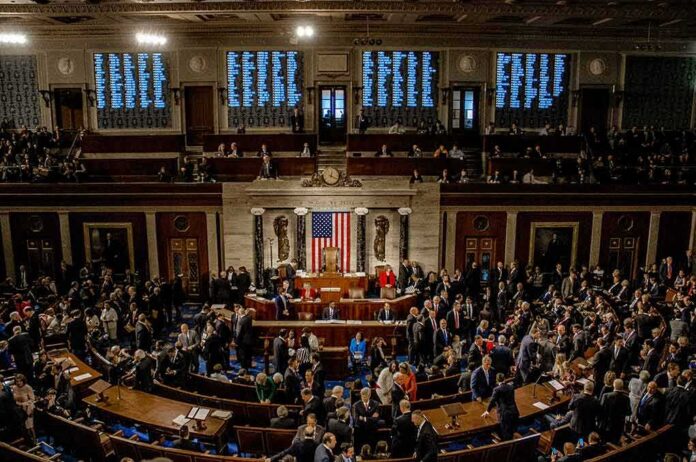
Speaker Mike Johnson ended the week early and sent the House home until after the midterms, and the real fight is over whether that is prudence or panic.
Story Snapshot
- Johnson canceled Thursday votes and advanced the midterm recess.
- House Democrats urged him to cancel recess and pass artificial intelligence safeguards first.
- Election-year recess timing fits a long pattern of campaign-focused schedules.
- A lame-duck session is expected to follow the November vote.
What Johnson Did And Why It Matters Now
Speaker Mike Johnson canceled planned Thursday votes and wrapped up the House schedule one day early. Members headed home for a pre-announced recess that runs through early November, when they are set to return for a lame-duck session. Reports this month said leadership had already trimmed September workdays, reflecting a broader midterm calendar where lawmakers shift to campaign mode and push major fights to post-election weeks. That timing shapes what the House can still do on spending, oversight, and policy this year.
Democrats reacted with a sharpened demand: stay in Washington and pass artificial intelligence safeguards before leaving town. Their letter argued that advanced artificial intelligence could fuel cyberattacks or enable chemical and biological threats, and that Congress should move before models grow more powerful. The push came from Rep. Sam Liccardo and colleagues and claimed 107 Democratic signers, with the door open for more. Their case centers on near-term action, not studies or forums.
The Democratic Pressure Campaign On Artificial Intelligence
Democratic lawmakers framed the risk in plain terms. They called it “catastrophic” and warned about failure if Congress delays. They pressed Johnson to cancel the recess and hold votes on bipartisan concepts, including the so-called “kill switch” ideas and rules for testing and transparency on frontier models. House Minority Leader Hakeem Jeffries said Congress should act “immediately” and stay in session “until something is done decisively” to protect the public. The message was urgency first, schedule second.
Calls also came from rank-and-file Democrats who want floor action now. Rep. Greg Stanton said Johnson should keep members in session to address fast-moving artificial intelligence risks. Several outlets reported the same bottom line: the House planned to recess through early November, while Democrats pushed to delay that pause until artificial intelligence safeguards moved forward. The pressure highlighted a policy area where both parties say they care, but differ on process and pace.
How The Calendar Politics Shape The Outcome
Election-year schedules always get tight. Congress has long recessed to span the election, then reconvened to finish work in a lame-duck stretch. The Congressional Research Service describes this pattern across decades: do the politics at home now, return to legislate before the term ends. Voters may hate the optics, but campaigns decide who writes the next set of laws. On that basic civic math, giving members time in their districts is not new or sneaky; it is standard operating procedure.
Leadership also weighs risk. Complex artificial intelligence bills written in a rush can misfire and chill innovation or miss the real threats. Johnson’s allies argue process matters: learn from industry and independent experts, build a bipartisan path, and stage real oversight before votes. That stance fits a conservative view of major regulation: measure twice, cut once. Democrats counter that delay invites danger and that bipartisan drafts already exist for debate. That is an honest policy split, not a hoax.
What A Common-Sense Voter Should Watch Next
Three checkpoints will tell you if this early recess was smart strategy or a missed chance. First, watch whether sponsors introduce final-text bipartisan artificial intelligence bills with real enforcement and real tests in the first days after members return. Second, track committee calendars for hearings that include both national security voices and engineers who build the models. Third, look for a leadership promise to schedule floor time in the lame-duck window, not next year.
CLARITY ACT FACES ANOTHER MAJOR ROADBLOCK
Speaker Mike Johnson says tomorrow’s House votes are canceled, with lawmakers expected to leave Washington tonight and remain on recess until after the November midterms.
That means even if the Senate revives the CLARITY Act following… pic.twitter.com/kwbFB0Owg6
— Bitcoin News (@BitcoinNewsCom) September 16, 2026
Voters should also judge by results that align with basic conservative principles. Does Congress target clear harms, like model misuse for hacking or weapons, without strangling useful tools for small businesses and researchers? Does any bill protect free speech and due process while setting teeth against bad actors? Campaign talk is cheap. A focused, narrow law with sunlight, testing, and strong penalties can protect the public without handing Washington a blank check over code.
Sources:
yahoo.com, ua.news, uk.news.yahoo.com, nbcnews.com, newsweek.com, aiweekly.co, politico.com, govinfo.gov
© headlineupdates.com 2026. All rights reserved.