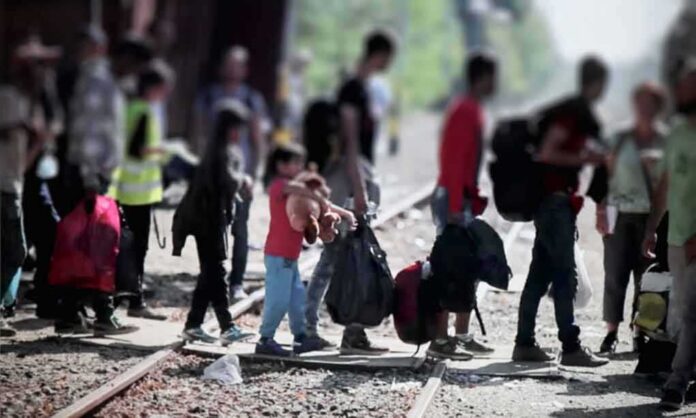
After Democrats gained ground in the midterms, a migrant caravan of roughly 1,000 to 2,000 people set off from southern Mexico toward the United States, saying the election boosted hopes for a more welcoming policy.
Story Snapshot
- Between about 1,000 and 2,000 migrants left Tapachula, Mexico, heading north after the U.S. midterms.
- Some migrants said Democratic gains raised hopes for easier entry or fairer treatment at the border.
- The group includes many families from Central America, traveling together for safety.
- Experts say caravans draw outsized attention and often become political symbols in U.S. debates.
Where the Caravan Is and What Sparked It
Reporters placed the group in Tapachula, in Mexico’s Chiapas state, moving north toward Huehuetán days after the U.S. midterm vote. Estimates of its size vary from more than 1,000 to about 2,000 people, reflecting counts taken on the move. The caravan’s timing follows Democratic gains that some travelers believed could lead to a friendlier policy climate in the United States, even if any change would not be immediate.
The travelers are mainly from Central America and include many families. They reportedly chose to walk in a group for safety, shared information, and support while crossing long distances. One named participant, a Nicaraguan man who said he had been deported once before, voiced hope that Democrats would help them, showing how election news shapes expectations on the road. But not all members share the same reasons or plans.
What Migrants Say They Expect — and What Is Known
Interviews show some migrants believe Democratic gains could mean better odds of entry or a fairer hearing, though no U.S. official promised them admission or special treatment. Their hopes mix with older reasons that drive migration: jobs, safety, and family ties. That blend makes it hard to measure how much the election result mattered for each person. The evidence supports expectations among some migrants, not a uniform belief across the whole group.
Numbers remain fluid as people join or leave along the route. Counts differ between outlets, and no government agency has issued a firm headcount for this moving column. This is common in caravan coverage. Reporters track what they can see on the ground, but the total shifts by the hour. The lack of a single exact number does not change the core fact: a sizable, visible group is heading north and drawing attention from both countries.
How Politics and Media Turn a Journey Into a Flashpoint
Past research finds caravans make up a small slice of overall migration but pull heavy media focus because they are easy to film and symbolize bigger fights over the border. That spotlight can push leaders to short-term fixes instead of long-term policy. Analysts also warn that swings between tough and lenient rules have not clearly stopped people from leaving home, which suggests deeper drivers are at work beyond any single election.
Mexico’s government began providing the migrant caravan headed to the U.S. with police escorts and is allowing them to sleep in municipal auditoriums as the growing group makes their way towards Mexico City and eventually the U.S. border.
Incredible.
Info @BreitbartNews pic.twitter.com/sdavcSIkJB— Simón Levy (@SimonLevyMx) November 12, 2026
That cycle feeds wider public frustration. Voters on the right see law and order ignored and worry about costs and security. Voters on the left see human suffering and a system that fails both migrants and border communities. Both sides see leaders scoring points instead of solving problems. A caravan like this becomes the latest screen onto which these fears and hopes are projected, while the hard work of fixing the system remains unfinished.
What Comes Next on the Ground
Mexican officials often monitor or slow caravans, and groups can splinter as people rest, accept transport, or seek paperwork. In the United States, border processing depends on the law, the point of entry, and each person’s case. Families and individuals making asylum claims face interviews, screenings, and backlogs. The path ahead for this caravan is uncertain, but the politics are not: the images will fuel a fresh round of border debate in Washington and beyond.
Sources:
facebook.com, economictimes.com, ground.news, mezha.net, dw.com
© headlineupdates.com 2026. All rights reserved.