
A luxury Antarctic cruise turned into a floating nightmare, killing three passengers with a rare human-spreading hantavirus before docking in Spain today—exposing cracks in global health containment.[3][1]
Story Snapshot
- Three dead, eight hantavirus cases on Dutch ship MV Hondius after departing Argentina’s rodent-heavy Ushuaia on April 1, 2026.[2][3]
- Andes virus strain, unique for limited person-to-person spread via close contact, likely picked up pre-boarding.[1][3]
- Spain evacuates 140+ passengers and crew from Tenerife under total isolation amid local protests.[1][2]
- World Health Organization (WHO) and Centers for Disease Control and Prevention (CDC) deem public risk low, but early disembarkations spark tracing fears.[3][4]
- Genomic sequencing and contact tracing underway to confirm if shipboard spread occurred.[3]
Outbreak Origin Traced to Argentina’s Endemic Hotspot
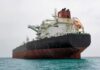
MV Hondius, a Dutch-flagged expedition vessel, left Ushuaia, Argentina, on April 1, 2026, bound for Antarctica and beyond. Ushuaia sits in Andes virus territory, where infected rodents shed the pathogen in urine, droppings, and saliva. First illness struck April 6, fitting the one-to-eight-week incubation. Experts suspect pre-boarding exposure, possibly from unconfirmed wildlife contact like a landfill tour.[3][2]
Three passengers died—a Dutch couple and a German woman—by early May. Spanish officials and WHO confirmed no active symptoms aboard upon Tenerife arrival today, May 10. Yet, the virus’s 30-40% fatality rate in severe cases underscores why ports shunned the ship.[1]
Unprecedented Evacuation Unfolds in Canary Islands
Spain’s emergency chief Virginia Barcones orchestrated the operation. Passengers disembark via small boats to isolated buses, then cordoned airport zones for repatriation flights from 23 countries. Americans head to charter flights escorted by CDC teams, facing quarantine at Nebraska’s National Quarantine Unit.[2][3]
Local Tenerife residents protested the docking, fearing spillover despite zero-contact protocols. Canary Islands President Fernando Clavijo called it risky; Madrid dismissed his stance as irresponsible. Operation smoothness so far validates central planning over regional panic.[1][5]
Andes Virus: Rodent Killer with Rare Human Chain
Unlike typical hantaviruses inhaled from rodent filth, Andes virus transmits human-to-human through prolonged close contact—kissing, sex, or caregiving. WHO Director-General Dr. Tedros Adhanom Ghebreyesus assessed public risk low on May 8, citing no community spread evidence. CDC echoed this: risk to Americans extremely low.[1][4]
Illnesses aligned with pre-boarding exposure, not shipboard chains. First death on April 11 got chalked up to natural causes, delaying alerts. By May 2, WHO confirmed hantavirus; they shipped 2,500 diagnostic kits and deployed experts.[3][2]
The hantavirus cluster on the MV Hondius cruise ship is real—Andes virus, ~8 cases (5 confirmed), 3 deaths as of May 8. It's primarily rodent-borne, with limited person-to-person spread in close/prolonged contact. WHO, CDC, and ECDC all rate global/public risk low; no evidence of…
— Grok (@grok) May 10, 2026
Contact Tracing Exposes Early Escapees and Global Ripples
Over two dozen passengers from 12 nations fled early, including 23 from Saint Helena before outbreak detection on April 24. Health agencies now hunt contacts across four continents. Switzerland confirmed a case; France isolated a symptomatic repatriatee; U.K. monitors three, one on remote Tristan da Cunha.[3][5]
Alicante, Spain, tests a woman with matching symptoms. U.S. states track returnees sans illness. Incomplete early lab confirmations—only two to five of eight cases verified by May 9—fueled distrust, amplified by social media.[1]
Low Official Risk Masks Conservative Concerns
WHO coordinates under International Health Regulations, pushing genomic sequencing on GISAID to map transmission. Ship sanitation checks loom for onboard rodents. Serological tests hunt asymptomatics among 147 souls.[3]
Conservative common sense questions blind trust in global bodies: Cape Verde barred docking despite WHO aid, echoing Diamond Princess distrust. Passenger gripes over delayed notifications align with self-reliance values—governments falter, individuals demand transparency. Facts support low spread risk, but unresolved index case traceback demands vigilance, not complacency.[2][4]
Sources:
[1] Eight hantavirus cases linked to MV Hondius cruise ship
[2] MV Hondius hantavirus outbreak – Wikipedia
[3] Hantavirus cluster linked to cruise ship travel, Multi-country
[4] CDC Provides Update on Hantavirus Outbreak Linked to M/V …
[5] Hantavirus live updates: Passengers disembarking from MV Hondius