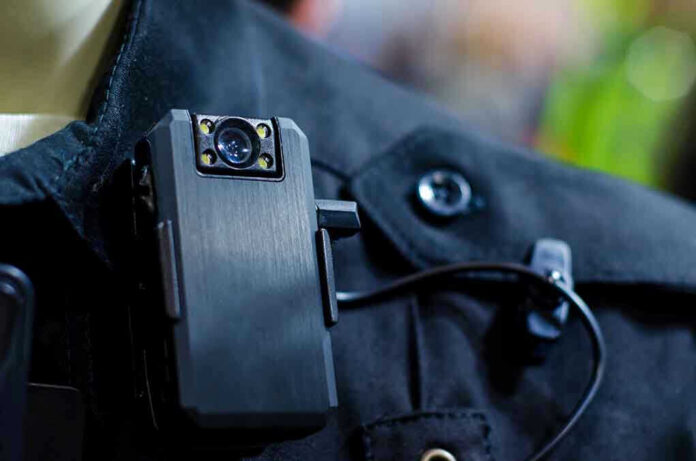
Democrats demanded ICE agents wear body cameras, and now they’re getting exactly what they asked for—with consequences that might not play out the way they anticipated.
Story Snapshot
- Two fatal ICE shootings in Minneapolis within three weeks sparked demands for body cameras and broader reforms from Congressional Democrats
- DHS Secretary Kristi Noem deployed cameras immediately to Minneapolis officers with plans for nationwide expansion, backed by President Trump
- Democrats pushed body cameras as part of a larger reform package including unmasking, IDs, warrants, and use-of-force restrictions
- The administration embraced cameras as a transparency win while resisting additional Democratic demands, creating an unexpected political reversal
- National rollout faces funding hurdles and policy gaps that could undermine accountability goals
Fatal Shootings Ignite Body Camera Debate
January 2026 brought two fatal ICE shootings in Minneapolis that changed the conversation around federal immigration enforcement. Renee Good and Alex Pretti died within three weeks of each other during ICE operations. Video evidence contradicted federal claims of self-defense, triggering public outrage and intensified scrutiny of ICE tactics. The shootings occurred amid aggressive Trump administration immigration operations in sanctuary cities, where “ICE Out” movements were already gaining momentum. Limited video footage from the incidents fueled disputes about what actually happened, exposing how the absence of comprehensive body camera footage leaves room for conflicting narratives.
Democrats Demand Transparency and Get It
Rep. Donald Norcross introduced the Trust Through Transparency Act in late January, mandating body cameras for ICE agents after a U.S. citizen was killed by a masked ICE agent in Minnesota. Senate Minority Leader Chuck Schumer escalated the pressure, demanding body cameras alongside unmasking requirements, visible identification, warrants, and use-of-force reporting codes as conditions for DHS funding. These demands emerged during a partial government shutdown, giving Democrats leverage in budget negotiations. The proposed FY2026 appropriations included twenty million dollars for cameras but stopped short of mandating officers actually wear them—a critical distinction that separates funding from enforcement.
Administration Turns Tables on Reform Demands
DHS Secretary Kristi Noem announced immediate body camera deployment for every DHS officer in Minneapolis, with plans to expand nationwide as funding becomes available. President Trump endorsed the move, arguing cameras are “good for law enforcement” because “people can’t lie” when incidents are recorded. The administration framed the camera rollout as a transparency initiative that protects agents from false accusations while building public trust. This strategic positioning allowed Noem to claim the accountability high ground without conceding to broader Democratic reform demands like unmasking or warrant requirements. Tom Homan, Todd Lyons, and Rodney Scott consulted on the rollout, balancing operational enforcement priorities with political optics.
The Contradiction Democrats Didn’t Anticipate
The evidence reveals a fundamental flaw in claims that Democrats fear ICE body cameras. Congressional records show Democrats demanded these cameras repeatedly, introducing legislation and conditioning funding on their deployment. What Democrats actually oppose is the administration implementing cameras in isolation, without the accompanying reforms they bundled together. The camera-only approach gives the Trump administration a transparency win while sidestepping requirements for unmasking, identification badges, judicial warrants, and use-of-force restrictions. Democrats wanted cameras as part of a comprehensive accountability package, but the administration cherry-picked the camera component, neutralizing Democratic criticism about transparency while maintaining enforcement discretion on everything else.
Implementation Challenges Threaten Effectiveness
DHS adopted body camera policies years ago for patrols, warrants, and public encounters, but implementation varies wildly across agencies due to training gaps, device shortages, and inconsistent enforcement. The Congressional Research Service analysis emphasizes that cameras create evidentiary records only when officers actually activate them, retain footage properly, and make recordings accessible. A federal court in Chicago previously mandated camera activation for trained immigration officers, highlighting how judicial intervention fills policy enforcement gaps. Lauren Bonds, a police accountability expert, called body cameras a positive step but warned effectiveness depends on mandatory activation policies, retention standards, and public access provisions. The twenty million dollar funding proposal doesn’t mandate officers wear cameras, creating a loophole that could render the entire initiative symbolic.
Privacy Concerns and Surveillance Risks
Body cameras balance competing interests between accountability and privacy in ways that complicate simple narratives about transparency. Footage creates evidence for disputed incidents but also generates surveillance data that raises civil liberties concerns, particularly around facial recognition technology. Immigration enforcement contexts differ significantly from local police work because they involve politically charged operations targeting vulnerable communities already wary of government surveillance. The cameras could document both agent misconduct and immigrant locations, creating privacy dilemmas that pure transparency arguments overlook. National expansion remains aspirational rather than concrete, tied to Congressional funding battles during a government shutdown, making implementation timelines uncertain and dependent on political outcomes rather than policy commitments.
Setting Federal Accountability Precedents
The Minneapolis deployment sets precedents that could reshape federal immigration enforcement accountability nationwide if implemented consistently. Unlike local police body camera mandates in states like New Jersey that inspired the Norcross legislation, federal ICE cameras involve immigration enforcement in sanctuary cities resisting cooperation with federal authorities. This creates jurisdictional tensions that don’t exist in typical police accountability frameworks. Courts have intervened where policies fail, as demonstrated by the Chicago activation mandate, suggesting judicial oversight may ultimately determine whether body cameras produce genuine accountability or performative transparency. The long-term impact depends on whether Congress mandates activation and retention through legislation or whether inconsistent voluntary adoption undermines the accountability cameras theoretically provide.
Sources:
Rep. Norcross Introduces Bill Requiring ICE Agents to Wear Body Cameras
Noem’s ICE Body-Camera Push Is a Test of Transparency
Federal Immigration Agents Will Be Issued Body Cameras, Noem Pledges Amid Backlash
What Body Cameras for ICE Officers Means for Accountability
Senate Dems Demand Immigration Agents Unmask, Wear Body Cameras and Carry IDs as Shutdown Looms