The fight over “wokeness” just moved from campus politics into the officer pipeline that shapes America’s next wars.
Story Snapshot
- Secretary of War Pete Hegseth ordered an end to Harvard-linked professional military education for active-duty service members, effective for the 2026–27 academic year.
- Hegseth framed the move as mission alignment and fiscal discipline, arguing the military needs “cost effective strategic education,” not elite ideological signaling.
- The Pentagon’s decision lands inside a broader Trump-era feud with Harvard and a wider review of Ivy League and civilian graduate programs.
- Supporters call it a common-sense correction; critics warn it risks politicizing education choices and chilling civil-military norms.
A Pentagon rupture with Harvard, timed for maximum leverage
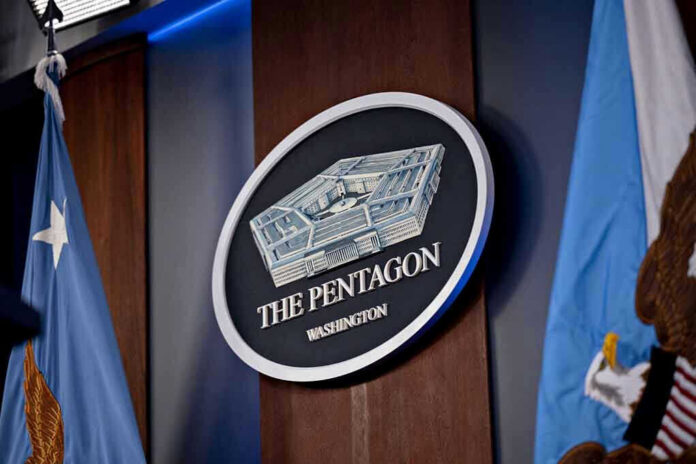
Pete Hegseth’s announcement targets a specific slice of Harvard’s influence: professional military education, fellowships, and certificate programs used by active-duty personnel. The policy’s effective date, the 2026–27 academic year, matters because it gives the department time to unwind contracts and redirect students. It also keeps the story alive through budget season, where “who pays for what” becomes a test of priorities.
Hegseth’s rhetoric did not pretend this was only about spreadsheets. He described Harvard as “woke,” accused it of anti-military bias, and cast the school as out of step with the Department of War’s mission. That framing turns an administrative decision into a cultural line in the sand: the warfighting institution refuses to sponsor credentials from a campus it views as contemptuous toward the armed forces.
Why officer education is a pressure point in the culture war
Military education partnerships look small until you see what they influence. Mid-career officers use civilian programs to sharpen strategy, policy, and leadership—then return to command troops, manage budgets, and advise elected leaders. If a department believes a partner institution pushes DEI-first theories or “Hate America activism,” it will argue the classroom becomes a slow-motion risk to readiness. Critics answer that insulating officers from elite debate creates intellectual blind spots.
Hegseth’s personal detail adds gasoline: he holds a Harvard Kennedy School master’s degree. That background lets him claim insider authority when he alleges “globalist and radical ideologies” have captured elite programs. To supporters, that reads as a whistleblower move—someone who “saw it up close” and finally pulled the plug. To detractors, it reads as a political brand play, weaponizing a credential while denouncing the institution that granted it.
Cost, alternatives, and the taxpayer argument that sticks
Hegseth also sold the decision as budget realism. Harvard is expensive, and professional education dollars compete with training hours, maintenance backlogs, and modernization. For a 40+ audience that has watched government programs bloat for decades, that argument resonates because it is legible: stop paying premium prices for prestige if the output does not match the mission. The department signaled it will prioritize “cost effective strategic education,” including non-Ivy options.
The unanswered question is what replaces Harvard in practice. If the Pentagon routes officers to public universities, war colleges, or in-house programs, the educational trade-off becomes the story. Harvard’s value has never been simply a syllabus; it is the network effect—access to policymakers, economists, and technologists clustered around Cambridge. Replacements must deliver similar strategic breadth without importing the ideological friction Hegseth says he is cutting out.
A wider review beyond Harvard, and the incentives it creates
The Harvard cutoff sits inside a broader review of Ivy League and civilian graduate programs. That signals something bigger than one campus: the department wants leverage over the entire marketplace of credentials. Universities that want military-affiliated students may face a new litmus test: demonstrate mission compatibility, keep costs defensible, and avoid public postures that read as hostile to the armed forces. Schools that treat the military as a political prop risk losing access.
This approach fits a second-term Trump environment where federal funding, foreign-student policy, and university governance have become bargaining chips. The obvious conservative logic is accountability: taxpayers fund the military, so the military should not funnel dollars to institutions that ridicule it. The danger, from a common-sense perspective, comes when accountability drifts into “punish the enemy” instincts. The public can support defunding bias while still demanding transparent criteria and consistent standards.
The Mark Kelly lawsuit shows the other edge of politicization
Hegseth’s Harvard decision is separate from, but politically adjacent to, a lawsuit involving Sen. Mark Kelly. Kelly’s case challenges Hegseth’s authority regarding a retired officer’s status after Kelly posted a video about refusing unlawful orders. The legal fight highlights the same tension running through the Harvard story: where does legitimate command authority end and viewpoint-based retaliation begin? Courts will not resolve the Harvard question, but they will shape the boundaries of executive power.
Veterans groups have warned that punishing factual speech by retirees sets a precedent with downstream consequences. That warning matters because the military depends on trust—inside the ranks and between the ranks and civilians. If officers believe education access and career standing hinge on aligning with the politics of the moment, the institution pays in morale and candor. Conservatives who value strong defense should want reforms that build lethality without turning professional development into a loyalty test.
What happens next: a test of outcomes, not slogans
The Pentagon has reaffirmed the cutoff, and no reversal has surfaced. The next real measure is not the headline phrase “warriors, not wokesters,” but the quality of what replaces Harvard programs. If the department can show equal or better strategic education at lower cost—and do it without ideological indoctrination—Hegseth will have a durable win. If replacements look like political theater, the decision becomes a cautionary tale about confusing symbolism with readiness.
The longer loop is whether elite universities adjust or double down. Harvard can treat this as a temporary political storm, or it can ask why an institution historically tied to national leadership now gets described as anti-military by a sitting war secretary who once studied there. The public will judge by results: better-trained officers, clearer civilian control, and less taxpayer money spent chasing prestige that no longer earns trust.
Sources:
vet-voice-op-ed-free-speech-veterans-hegseth
mark-kellys-lawsuit-against-pete-hegseth-tests-limits-of-executive-power-over-retired-officers
hegseth-ending-military-education-ties-harvard-amid-trump-feud-we-train-warriors-not-wokesters
pentagon-says-its-cutting-ties-with-woke-harvard-discontinuing-military-training-fellowships