Florida executed James Robertson, who admitted he killed his cellmate to get a death sentence, closing a case that tested how the system handles inmates who seek execution.
Story Snapshot
- James Robertson pleaded guilty to strangling his cellmate in 2008 and sought a death sentence.
- Florida’s governor signed a death warrant setting the execution for October 13, 2026.
- The Florida Supreme Court affirmed Robertson’s conviction and death sentence in 2016.
- The case comes amid a sharp rise in Florida executions since 2025.
What Happened In Robertson’s Case
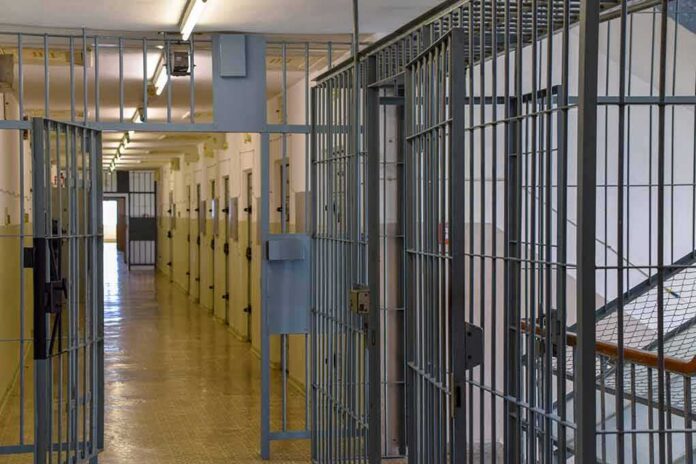
Florida executed James Robertson after courts upheld his death sentence for killing his cellmate, Frank Hart, in 2008 at Charlotte Correctional Institution. Court records state that Robertson admitted he strangled Hart with a garrote he made by tying socks together. The Florida Supreme Court opinion says he waited until guards passed and attacked while Hart slept. The court described deliberate planning and no provocation. Robertson pleaded guilty to first-degree murder and waived a jury’s sentencing recommendation.
The same court record says Robertson told officials he killed to get charged with first-degree murder and to be sentenced to death. He did not contest the state’s evidence for death at sentencing. On direct appeal, the Florida Supreme Court affirmed both the conviction and the death sentence in 2016. That ruling closed the direct review of his plea and sentence, while later filings focused on postconviction and warrant-related issues in subsequent years.
How The Execution Was Scheduled
Florida’s high court docket shows that on October 1, 2026, the court received notice that the governor had signed a death warrant for Robertson. The order set his execution for noon on October 13, 2026, and directed expedited proceedings tied to the warrant. Those steps are standard once a warrant is signed, and they frame any last-minute filings or requests for stays before the scheduled date and time for execution.
The warrant placed Robertson within Florida’s busy execution calendar. State data and reporting show Florida has carried out an unusually high share of United States executions since 2025. Florida accounted for about forty percent of executions in 2025, a sharp rise compared with prior years. That surge has continued into 2026, keeping the state at the center of the national debate over capital punishment and its safeguards.
Why This Case Drew Wider Attention
Robertson’s case stood out because he sought the outcome that the law reserves for the most severe murders. Courts had to balance individual autonomy with the duty to ensure fair process, even when a defendant asks for death. Florida’s review ensured the conviction and sentence had a firm legal basis before the state carried out the judgment. The execution also unfolded while Florida increased executions, making each case part of a larger trend line in the state and the nation.
Execution in Florida-
James “Chicken Head” Robertson entered prison at 17 years old. Today, 46 years later, he was executed for a murder he deliberately committed because he wanted the death penalty.
Robertson entered the Florida prison system in 1980 following convictions… pic.twitter.com/MmabmshgAn
— Rose (@901Lulu) October 13, 2026
Families of victims, corrections staff, and advocates across the political spectrum often view such cases through different core values. Many conservatives focus on order, safety, and the finality of lawful sentences. Many liberals focus on due process, conditions in prison, and the risk of errors. Both sides, though, worry when the system looks driven by bureaucracy over judgment. This case raised that shared concern because the defendant’s goal forced the system to prove it can still weigh life and death with care.
Sources:
nbcnews.com, library.law.fsu.edu, acis.flcourts.gov
© headlineupdates.com 2026. All rights reserved.