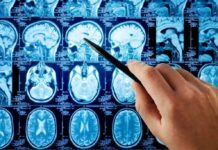

Dirty air invades not just our lungs but our minds, and new evidence suggests even a single year exposed to urban smog can dramatically speed up the destruction of the aging brain.
Quick Take
- Short-term exposure to fine particle pollution (PM2.5) accelerates Alzheimer’s progression in humans.
- Post-mortem brain studies reveal more severe Alzheimer’s pathology in those living with higher pollution.
- Environmental factors, not just genetics, are now proven to worsen neurodegenerative decline.
- Communities in polluted regions face greater and faster cognitive loss, raising stakes for public health policy.
Alzheimer’s and Air: A Toxic, Overlooked Collision
Scientists at the University of Pennsylvania have delivered an unsettling message: Alzheimer’s disease, long cast as a genetic and age-driven fate, is also powerfully shaped by the air we breathe. Their research, published September 8, 2025, in JAMA Neurology, analyzed post-mortem brain tissue from Alzheimer’s patients. The team discovered that those living just a year in areas with elevated PM2.5—the microscopic particles spewed by vehicles, industry, or wildfires—showed significantly more amyloid plaques and tau tangles, the distinctive, destructive debris of Alzheimer’s. This biological wreckage translated to faster memory loss and impaired daily function, even for those who’d only recently moved to polluted environments. For millions living near highways or industrial corridors, this finding is a direct hit: Alzheimer’s doesn’t just happen faster; it gets worse, sooner.
The implications are immediate and profound. Air pollution, once only linked to heart and lung disease, emerges as a potent, modifiable force accelerating cognitive decline. The Penn study, funded by the NIH and NIEHS, is the first to directly connect short-term, real-world pollution exposure with worsened Alzheimer’s pathology in actual human brains. Prior research hinted at this from animal models or population surveys. Now, the biological proof is staring us in the face—literally, in the tissue of those who lost their minds to this disease. Lead investigator Dr. Edward Lee states plainly: “Air pollution doesn’t just increase the risk of dementia—it actually makes Alzheimer’s disease worse.”
The Molecular Sabotage: How Smog Attacks the Brain
Molecular research from Scripps, published February 2025, clarifies this toxic process. Their scientists pinpointed S-nitrosylation, a biochemical sabotage triggered by inhaled pollutants, as the villain. This chemical tweak disrupts brain cell function, promoting the formation of those infamous plaques and tangles. In animal and cell models, PM2.5 exposure directly impaired memory and sped up neurodegeneration. The molecular mechanism lines up with the Penn findings and raises an urgent question: How much of our collective cognitive decline is driven not by bad genes, but by bad air?
Regions like California’s Central Valley, infamous for its haze, stand out as epicenters of this invisible epidemic. Here, low-income communities, often with less political clout and fewer resources, endure the highest PM2.5 burdens. The new research does more than sound an alarm—it offers scientific ammunition for environmental justice advocates and public health officials campaigning for stricter air quality standards. The stakes are no longer theoretical or long-term: lives—and minds—are at risk now.
Public Health, Policy, and the Future of Brain Health
The power dynamics around this crisis are shifting. Research institutions like Penn and Scripps drive the science that compels policy change. Funding from the NIH and NIEHS signals government recognition that pollution’s impact on Alzheimer’s is both urgent and actionable. Academic collaborations, including efforts from UC Merced and Johns Hopkins, aim to drill down into which specific pollutants wreak the most neurological havoc—knowledge that could help rewrite air quality regulations.
Smog in the Brain: Dirty Air Smog in the Brain: Dirty Air Speeds Alzheimer’s Decline
Even short-term smog exposure = faster Alzheimer’s progression 🧠
Fine particles (PM₂.₅) trigger more amyloid plaques & tau tangles https://t.co/Xof0zKr2QZ— Sassyinfomaniac (@sassyinfomania) September 10, 2025
Healthcare systems and caregivers in polluted regions may soon face a growing wave of patients progressing more rapidly through Alzheimer’s devastating stages. The economic and social impacts will be severe: ballooning medical costs, overwhelmed families, and deepening social inequities as the most vulnerable bear the greatest burden. Pharmaceutical and biotech firms, meanwhile, are eyeing the pathways uncovered by pollution research as potential new drug targets—therapies that could interrupt or repair the damage caused by dirty air. The intersection of environment, policy, and medicine has never been more important for brain health.
Expert Consensus and Unanswered Questions
Expert consensus now recognizes air pollution as much more than a distant risk—it is a disease accelerator. Dr. Lee and his colleagues argue for a paradigm shift: Alzheimer’s prevention must now include environmental exposure reduction, not just genetic or lifestyle interventions. Professor Xuan Zhang of UC Merced underscores the urgent need to identify which PM2.5 components are most toxic and which populations are most at risk. While debate persists over whether other unmeasured factors may also play a role, the evidence is mounting and the call to action grows louder.
The research is not without its puzzles. Some scientists argue that long-term exposure may still be the dominant driver, or that social and economic factors could confound the data. Yet the convergence of findings—from Penn’s human tissue studies to Scripps’ molecular insights and UC Merced’s population research—paints a consistent, troubling picture: the air we breathe is shaping how we age, remember, and ultimately, how we lose ourselves. The next chapter in the fight against Alzheimer’s may be written not in the neurology clinic, but in the air we choose to clean.
Sources:
ScienceDaily (Penn study summary)
Nature (epidemiological analysis)
Scripps Research (molecular mechanism)
UC Merced (context, ongoing research)
Penn Today (original research announcement)