
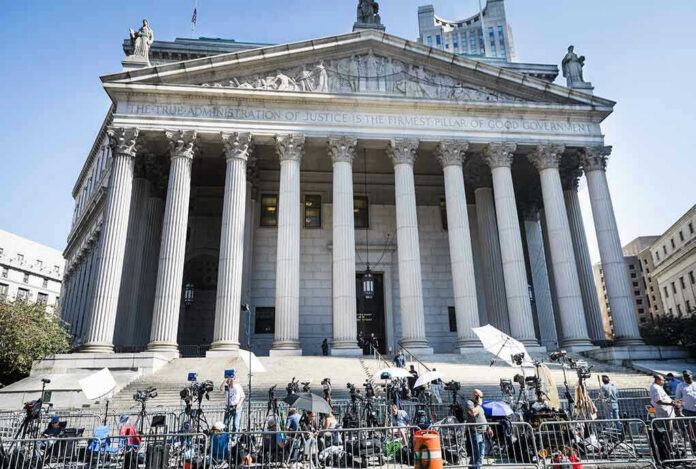
Prosecutors say DNA from the murder weapon and new surveillance clips will be shown in court, undercutting viral conspiracy claims about Charlie Kirk’s assassination.
Story Highlights
- Prosecutors plan to present DNA tied to the rifle and new surveillance video.
- Media and podcasts highlight the preliminary hearing, while conspiracies spread online.
- A Daily Mail report says Robinson could face the death penalty if convicted.
- Counter-claims question video IDs but lack named experts or lab reports.
What Prosecutors Say They Will Show in Court
Daily Mail reporting says prosecutors plan to present DNA evidence that links Tyler Robinson to the rifle used in the shooting, along with surveillance footage, witness statements, and autopsy findings during preliminary hearings this week. The outlet also reports Robinson could face the death penalty if convicted. These claims, if backed by lab reports and chain-of-custody records, would form a clear, testable case. They set a bar that defense, media, and the public can verify in court.
Daily Mail further reports that prosecutors will cite a message sent 55 minutes before the shooting, suggesting Robinson bragged about success. That alleged message, if authenticated by digital forensics, would join the physical evidence. The most important step now is public, on-the-record presentation. Lab names, analyst testimony, and video timestamps allow both sides to test the claims. That process protects due process and public trust better than social media battles.
How Conspiracy Claims Collide With the Evidence
Counter-claims online focus on alleged misidentification in “movements” timelines and a debate over a “distinct gait” in certain clips. A posted study on Academia.edu argues some movement points may involve errors or impersonation, but it does not present lab findings or sworn expert names tied to primary files. A New York Post report describes debate over a limp and rifle concealment seen in footage, which skeptics say conflicts with Robinson’s profile. These claims question interpretation, not lab evidence.
Social posts and podcasts amplify both sides, but few provide primary documents. The Charlie Kirk Show promoted hearing coverage across platforms, which keeps attention on the court’s record rather than rumor. That focus is crucial. Court exhibits, sworn testimony, and cross-exam set the standard. Until then, claims about shoe prints, gait, or timelines remain secondary to whether DNA, fingerprints, and video can be authenticated under oath with chain-of-custody detail.
Why Verification Beats Virality
Northeastern University commentary notes that high-profile political violence almost always draws conspiracy theories, especially when early evidence is not public yet. That pattern is playing out here. The path forward is simple: demand primary records. The public should see laboratory accreditation, analyst names, match statistics, and video timestamps. If the state’s case is as strong as reported, those facts will hold up. If not, cross-exam will expose weak links. Either way, sunlight wins.
Investigative Journalist Cam Higby explains how there's a lie proliferating across social media about the DNA evidence in the Tyler Robinson hearing.
Viral claim: DNA on the screwdriver and towel was "almost entirely" Lance Twiggs, with 95% and 89% Twiggs, only 5-11% Robinson.… pic.twitter.com/UVXoRvo6ev
— Media Lies (@MediasLies) July 8, 2026
For conservatives who want order and truth, the stakes are clear. Justice must be swift, fair, and based on facts—not filtered through clickbait or suppression. The Trump administration’s justice system should back transparency: release admissible exhibits as the court allows, share redacted reports, and post certified transcripts quickly. That approach defangs bad narratives, protects due process, and honors Charlie Kirk’s memory without feeding the outrage machine.
What to Watch Next
Watch for four things in open court: first, the DNA lab’s name, methods, and match statistics tied to the rifle. Second, surveillance video with clear timestamps and chain of custody. Third, named witness statements under oath, not summaries. Fourth, any authenticated digital messages, including sender identity and metadata. If these elements stand, the case sharpens. If they wobble, we will see it under cross. That is how the system should work.
Bottom Line for Readers
Prosecutors say they will put science and video on the record. Conspiracy claims mostly offer doubts without primary files. Demand receipts. Support full disclosure. Let the evidence speak in court, not in edited clips. That is how we defend truth, the rule of law, and the rights of the accused—all at once. Justice should be about facts we can test, not narratives we like. Stay alert, ask for documents, and ignore the noise until the exhibits drop.
Sources:
youtube.com, dailymail.com, x.com, podcasts.apple.com, breitbart.com, oklahoma.gov, cbsaustin.com
© headlineupdates.com 2026. All rights reserved.