President Trump moved to choke off Iran’s cash by warning tariffs on any country that buys from Tehran.
Story Highlights
- The White House labeled Iran a national-security threat and set up penalties on countries that trade with Tehran.
- Treasury launched “Operation Economic Outcast” to hit Iran’s oil, weapons, and finance networks.
- Officials said tougher sanctions could reduce the need for new large-scale military action.
- Iran blasted the move as “economic terrorism” and vowed to resist the pressure.
White House Order Targets Iran And Those Who Fund It
The White House issued a formal order framing Iran as a direct national-security threat and authorizing broad penalties on buyers of Iranian goods and services. The order, effective February 7, 2026, created a system for added tariffs on imports from any country that acquires Iranian goods or services. The administration said this protects United States national security, foreign policy, and the economy, and signaled a shift to tighter enforcement beyond Iran’s borders. The move aims to squeeze Tehran’s revenue, especially from oil.
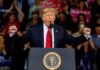
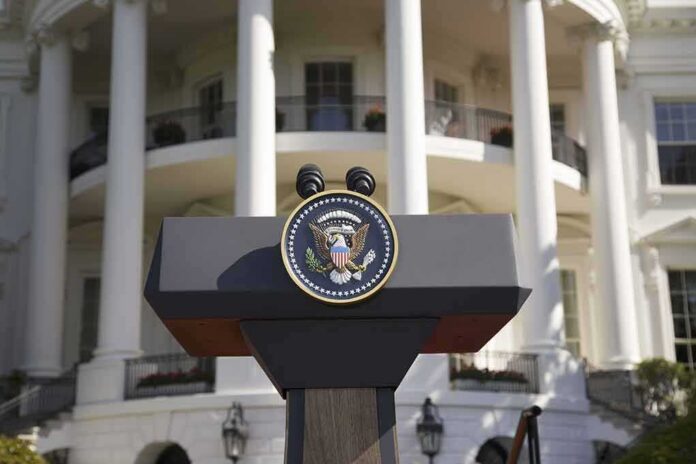
President Trump reinforced that policy in a Rose Garden event, tying the warning to a wider push to isolate Tehran’s cash pipelines. The pressure tool reaches third-country firms and governments that help Iran move oil, parts, and money. The White House framed this as accountability for those who enable Iran’s destabilizing acts. The order gives tariffs teeth, so countries face costs if they keep buying from Tehran. Supporters say this rewards fair dealing and punishes those who bankroll aggression.
Treasury’s “Operation Economic Outcast” Escalates Financial Pressure
The Department of the Treasury unveiled “Operation Economic Outcast” and said it would carry out an unprecedented campaign against the Iranian regime and its enablers. Officials linked new designations to Iran’s weapons procurement, oil revenue, and illicit nuclear and missile support networks. The effort is designed to raise the price of doing business with Tehran. Networks that help Iran sell oil or buy dual-use parts now face tighter sanctions risk, with the goal of starving hostile activity of funds.
Treasury Secretary Scott Bessent said the United States will impose the toughest sanctions in history on Iran and argued that strong economic pressure can lessen the need for new major military operations. That message set the tone for a firm but measured path: enforce the law, cut the cash, and avoid sending American troops into another long fight if possible. Early actions show an ongoing record, with multiple 2026 sanctions steps tied to oil trade and illicit funding, not a one-off threat.
How The Tariff Threat Works And Why It Matters
The tariff system is designed to deter other countries from buying Iranian goods by making their United States market access more costly. That lever matters because Iran relies on oil exports and middlemen to move money and parts. When Washington warns that purchases from Tehran can trigger United States tariffs, it forces banks, traders, and shippers to choose. Many will pick access to the United States economy over risky deals with Iran. That choice helps cut funds for weapons and proxy forces without firing a shot.
Conservatives see this as basic fairness. American workers should not lose while foreign buyers bankroll a hostile regime and then sell into our market. The approach matches a simple rule: if you help Iran threaten Americans, you should not enjoy easy access to American consumers. That line protects our sovereignty, strengthens deterrence, and supports peace through strength. It also reflects a lesson from past failures: weak pressure invites more trouble, not less.
Iran’s Pushback And What To Watch Next
Iran’s foreign ministry blasted the move as “economic terrorism” and claimed it harms diplomacy. Tehran said it would overcome “unjust” sanctions and urged others to reject United States pressure. These talking points are expected. Regimes under pressure often blame the sanctions instead of their own choices. The administration rooted its actions in specific conduct, including oil revenue that fuels proxy violence and networks tied to nuclear and missile technology. That linkage keeps the focus on behavior change, not rhetoric.
ECONOMIC D-DAY: President Trump is threatening an "economic D-Day" against foreign nations assisting Iran, signaling a strategic shift emphasizing severe financial sanctions over immediate military strikes.
As part of regional posture shifts, the USS Abraham Lincoln has begun… pic.twitter.com/e6Vb10h11n
— Special Report (@SpecialReport) August 20, 2026
Key tests now involve enforcement and impact. Will banks, insurers, and shippers stop moving Iranian oil? Will procurement networks for weapons parts dry up? Treasury and the State Department have already built a cadence of actions in 2026, signaling steady follow-through. Officials say the goal is simple: deny Tehran the money it uses to menace allies, hit our troops through proxies, or race for dangerous technology. Stronger wallets abroad should not come at the expense of American lives at home.
Sources:
reuters.com, cbsnews.com, cnbc.com, wsj.com
© headlineupdates.com 2026. All rights reserved.