
The 2026 World Cup is pouring money into American cities while quietly proving that dollars are not the most important thing changing how the world sees the United States.
Story Snapshot
- Billions in new spending are hitting U.S. host cities, but the national economy barely notices it.
- Visitors are walking away with a different picture of America than cable news and Twitter usually show.
- Economic impact studies look impressive, yet history warns they almost always overpromise.
- The real legacy may be soft power: how people feel about America after living here for a week.
Big Money Numbers, Small National Ripple
FIFA’s own socioeconomic impact analysis projects about $17.2 billion in extra United States gross domestic product from the 2026 tournament, and roughly 185,000 full-time jobs tied to World Cup activity in America. On paper, that sounds huge. In reality, it is a rounding error in a $27 trillion economy. Research groups like Saxo and Natixis say the boost adds well under one tenth of a percent to national growth, mostly clustered in host cities and short-lived. The cash is real, but it is local, narrow, and temporary.
Los Angeles County shows how this plays out on the ground. A detailed Micronomics report estimates up to $594 million in economic impact from eight matches, built on $343 million in direct visitor spending and another $251 million in follow-on spending, plus about $35 million in added local tax revenue. That kind of money matters for restaurants, hotels, and stadium workers. It does not rewrite federal budgets or Social Security forecasts. Economically, the World Cup acts like a giant, focused sales weekend, not a new industry.
The Pattern: Mega-Events Promise Big, Deliver Modest
Sports economists have seen this movie before. Independent studies on Super Bowls, Olympics, and past World Cups find that pre-event economic impact claims almost always overshoot reality, sometimes by an entire order of magnitude. One review of major events concluded cities should treat glossy impact forecasts from leagues and organizing committees with “extreme caution” because real taxable sales often barely move. The 2026 World Cup fits that pattern: exciting numbers, careful fine print, and modest national change beneath the headlines.
Think of Qatar’s 2022 World Cup. The country reportedly spent around $220 billion on infrastructure, yet official projections suggested only about $1.56 billion in direct financial gains, mostly from tourism and business travel. In other words, a staggering build-out for very modest direct returns. Studies of Russia’s event tell a similar story: high costs, limited lasting growth. These cases do not prove the United States will lose money, but they show why skepticism about “this event will transform the economy” rings true with American conservative instincts on spending and debt.
Local Gains, Real Costs, And Who Actually Profits
Behind the marketing, the structure of World Cup money is simple. FIFA keeps most of the high-value revenue — tickets, media rights, major sponsorships — while host cities pick up the tab for security, transit upgrades, and temporary crowd infrastructure. Los Angeles, Dallas, and others carry police overtime, street closures, and transit changes that never show up in the glossy impact slide decks. Independent macro analysts like S&P Global state plainly that the event will not “move the economic needle” at the national level for the United States, Canada, or Mexico. The gains arrive, but they stay narrow and short-term.
For many taxpayers, that structure raises fair questions about fairness and priorities. Why should local governments foot the bill while an international body harvests the richest income streams? That concern lines up closely with conservative worries about global organizations and unaccountable elites. Yet it also forces a harder question: if the financial payoff is modest, what exactly are American cities buying with this effort?
Soft Power: Changing Minds One Fan At A Time
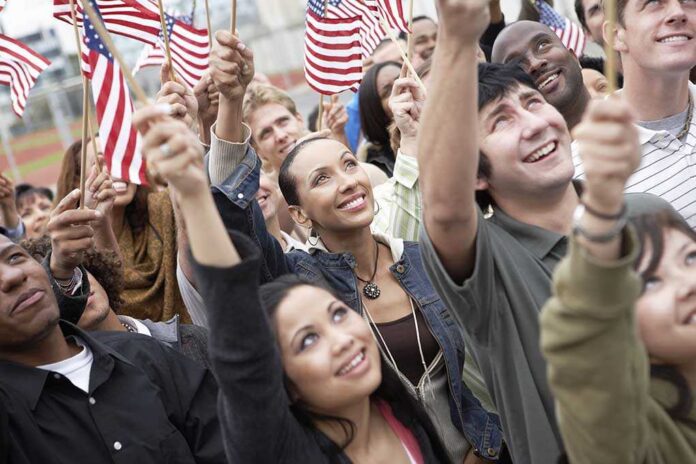
The answer more and more visitors give is simple: they are buying a new story about America. Reports from host cities show fans surprised by how safe downtowns feel, how efficient many transit systems are, and how kind ordinary Americans act toward people from countries their media often portrays as rivals. For thousands of visitors, the United States is no longer just cable news clips, social media rage, and Washington drama. It is the waitress who stays after her shift to help them order, the Kansas City volunteer explaining a bus map, or the New York cop giving directions instead of a ticket.
That kind of lived experience does not show up in gross domestic product tables, but it matters for American influence. Political scientists call it “soft power” — the ability of a country to attract and persuade, not just to threaten or pay. Hosting the World Cup gives the United States millions of small soft power encounters in a few weeks. Visitors take those stories home. They become the friend who says, “America was different than I expected,” in a coffee shop in Glasgow or Guadalajara. Over time, that can shape how voters abroad think about trade, alliances, and American leadership.
Is The Trade-Off Worth It For America?
So is the World Cup good for America? On strict dollars and cents, it is a mixed deal. Cities see real surges in tourism and service activity. The country as a whole sees barely any lasting growth. Studies warn that mega-event forecasts are often inflated. That should make any serious conservative pause before cheering the spending. Yet if you measure value by hearts and minds, the math looks different. The tournament becomes a huge field test of American culture, freedom, and basic friendliness under pressure.
Visitors are not meeting the federal budget. They are meeting neighbors, workers, and police officers. Many of them will walk away thinking less about debt charts and more about the feeling of walking through a safe stadium, eating a burger in a small-town bar, or being welcomed in a church parking lot tailgate. For a nation that still wants to lead without sending troops or writing endless checks, that quiet change in how people see America might be the most important impact of the 2026 World Cup.
Sources:
facebook.com, partnersrealestate.com, nytimes.com, supplier.io, reddit.com
© headlineupdates.com 2026. All rights reserved.