Washington just put the world’s banks, shippers, and crypto traders on a countdown: do business with Iran’s networks and risk losing access to the U.S. financial system.
Story Highlights
- Treasury escalates sanctions on Iran’s revenue networks, citing shadow banking and oil smuggling.
- Officials signal secondary pressure on foreign firms that help Tehran move money or sell oil.
- Iran’s government rejects the measures as unlawful and harmful to civilians.
- Experts warn secondary sanctions can strain allies and cause over-compliance.
Treasury’s New Sanctions Focus on Iran’s Money Pipelines
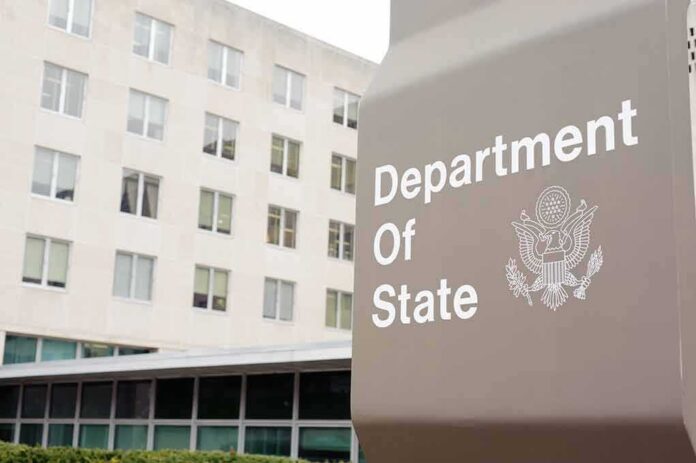
The U.S. Department of the Treasury said new designations target people, companies, and vessels that help Iran sell oil and move funds across borders. Officials described “shadow banking” networks that use front firms and exchange houses to hide payments and fund procurement. A recent Treasury release detailed more than 30 targets tied to the Zarringhalam network, which the department said laundered billions of dollars through global channels. Earlier rounds also hit shippers and facilitators linked to oil sales and weapons work.
Treasury paired sanctions with guidance for banks on how to spot Iranian evasion. A Financial Crimes Enforcement Network advisory described multi-country webs of trading companies and money changers that route payments for oil and other goods. The department framed the campaign as part of a broader push to cut Tehran’s revenue and slow weapons activity. Officials also warned that companies and financial firms outside Iran could face severe penalties if they keep enabling these flows, including losing access to U.S. markets.
Iran Rejects Sanctions as Unlawful and Harmful
Iran’s foreign ministry called the latest moves unjust and unlawful, and said the measures amount to “economic terrorism” against the Iranian people. A United Nations special rapporteur previously warned that sweeping sanctions harm civilians by crushing the currency and driving people into poverty. Iranian officials have also complained that foreign banks refuse legal business due to fear of U.S. penalties, which blocks trade and finance beyond the intended targets. Tehran says the steps will not change its resolve.
These clashing claims show the core dispute: Washington argues pressure is needed to disrupt illicit finance and weapons funding, while Tehran says the campaign punishes ordinary people and violates international norms. The facts do show that prior sanctions waves have slowed parts of Iran’s economy and pushed money flows into riskier channels. They also show that humanitarian trade can suffer when banks pull back too far out of caution, even when transactions are allowed on paper.
Secondary Sanctions Raise Global Stakes for Firms and Allies
Secondary sanctions extend beyond Iranian actors and target third-country firms that do business with them. Policy research says this tool can be effective because it forces global players to pick the U.S. market over Iranian trade. But it can also cause friction with partners, spark legal pushback, and drive over-compliance as firms avoid any perceived risk, even for permitted activity. That chilling effect can reshape shipping routes, insurance coverage, and access to dollar clearing worldwide.
BREAKING: US Treasury Secretary Scott Bessent announces sweeping new sanctions dubbed 'Operation Economic Outcast' to sever 'every economic lifeline' sustaining Iran, warning any nation partnering with Tehran will share in its isolation. pic.twitter.com/cL9GFZ7Ih5
— HIT.com (@HIT) August 24, 2026
For Americans, the stakes are concrete. If sanctions bite, they may limit funds for hostile activity and reduce risk to U.S. troops and partners. If they overshoot, they can raise energy costs, strain ties with allies, and deepen a two-tier global system where the well-connected navigate rules and ordinary traders cannot. Many readers on the left and right worry the system serves elites. Clear, transparent enforcement and narrow targeting can ease that fear while keeping pressure on illicit finance.
What to Watch Next
Banks and insurers will decide how much risk to take as they screen clients, ships, and payments linked to Iran. China, India, the United Arab Emirates, and other major trading hubs may face hard choices about access to the U.S. market. Treasury’s follow-through will matter: if it enforces secondary penalties, firms will likely retreat faster; if it signals safe lanes for humanitarian trade, essential goods may keep flowing. Either way, the clock is now ticking on compliance across the globe.
Sources:
© headlineupdates.com 2026. All rights reserved.