
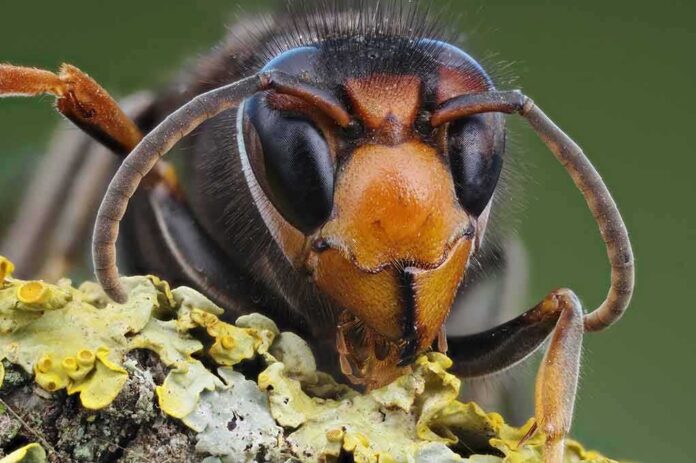
Britain’s wasps went missing this summer, and the trail leads straight to wild, seesaw weather.
Story Snapshot
- Scientists report a striking drop in wasp sightings across Britain this summer.
- Weather whiplash in spring and early summer likely hit queen survival and food supply.
- Heatwaves then baked flowers, drying up nectar and starving early colonies.
- Experts warn flies surged into the gap left by weakened wasp populations.
What happened to the wasps this summer
Field watchers, homeowners, and researchers across Britain described a very quiet wasp season. Reports from universities and national outlets converged on the same picture: fewer nests found, fewer picnic raids, and fewer pest control calls than many expected for midsummer. Science briefings framed it as a “mysterious” shortfall. University College London highlighted widespread observations of low activity. The headline question was simple and blunt: where did they all go, and why now?
Entomologists pointed to the same weak link in the wasp calendar. Queens must start colonies in spring, weeks before workers emerge. If spring deals out cold snaps, soaking rains, or sudden frosts, many queens fail. If they fail, whole colonies never appear. That puts summer numbers in a hole that no July sunshine can fix. This spring stacked hazards. Reports describe warm, dry spells, then wet, cold runs with frosty nights. Later, heatwaves scorched flowers and nectar.
The weather chain that kneecaps colonies
Queens need steady, mild days to forage, lay eggs, and keep brood alive. A warm burst can lure queens out early, only to be hit by a cold snap that kills brood and drains energy. Repeats of this pattern can wipe out attempts at nest founding. By May, several areas logged damp days and chilly nights that align with poor queen survival. Summer heatwaves then brought a second blow. Flowers withered, nectar dried up, and adults lost easy sugar fuel to power flight.
Researchers and pest specialists also linked the wasp shortfall to a rise in flies. Flies thrive on warmth, moisture, and food waste. When wasp numbers fall, fewer natural hunters patrol the same scraps. That can tip the balance in favor of flies around bins and patios. Reports from late July showed flies “lording it over” wasps in several regions, a telltale sign of a shaken food web at the nuisance scale.
Why this fits a known boom-bust rhythm
Long-term work on social wasps shows big year-to-year swings. Spring weather, more than any other factor, often decides if a year becomes a “wasp year.” Studies over decades have linked colony success to warm, stable springs and failure to cold, wet starts. The 2026 pattern fits that logic. Harsh spring swings cut queen survival. Heatwaves then stripped nectar, adding stress at the wrong time. The outcome matched what observers saw on the ground: thin wasp traffic where people expected a buzz.
Some coverage flagged that most evidence so far comes from observations and expert interpretation rather than a national trap census. That does not undercut the core mechanism. It reflects a broader gap in tracking. The United Kingdom still lacks a single, standardized national program that logs wasp abundance the way it does for butterflies or bees, which leaves scientists to piece together signals from regional records and field expertise.
What lower wasp numbers actually change
Wasps keep ecosystems tidy by hunting caterpillars, flies, and other insects. Fewer wasps can mean more pests in gardens and farms. They also scavenge, which helps remove rotting matter. In late summer and autumn, they switch to sweeter foods as colonies mature. If those colonies never formed in spring, the late-season “wasp wave” never arrives at picnics. Many families felt a break from stings and sandwich raids this year, but that win can hide a cost in lost pest control.
Practical steps can soften the hit in future swing years. People can plant diverse, nectar-rich flowers that bloom through spring and early summer. Gardeners can leave small patches of bare, dry ground and old stems that offer nest sites for invertebrates. Councils can manage verge cutting to keep spring forage available. Farmers can time spraying to avoid peak queen foraging. None of this replaces stable weather, but it gives queens a margin for error when the sky turns fickle.
What to watch next
Scientists will watch queen sightings next spring, plus any reports of early nests. A rebound is possible after a bust year if weather steadies. Citizen-science projects could help fill the data gap with simple, repeated counts. Universities and museums can compare 2026 specimens for body size to test claims of smaller wasps in tough seasons. Agencies can also review flowering records and drought data to map where nectar crashed first.
One clear test will be whether flies keep surging in areas that reported few wasps. If fly numbers stay high into cooler months, councils and homeowners may feel the change in bin rooms and kitchens. If wasps rebound next year with a kinder spring, that nuisance pressure should ease. The rule of thumb holds: protect the queens, and you protect the summer.
Sources:
sciencedaily.com, ucl.ac.uk, telegraph.co.uk, huffingtonpost.co.uk, bbc.com
© headlineupdates.com 2026. All rights reserved.