A routine traffic stop that began with Tony Romo saying he had “zero” drinks is now raising bigger questions about how quickly police, courts, and media can brand someone a drunk driver based on judgment calls instead of hard proof.
Story Snapshot
- Former NFL quarterback Tony Romo was stopped on Interstate 43 in Milwaukee and arrested on a first-offense operating while intoxicated charge after failing field sobriety tests.
- Body camera video shows Romo denying he was drunk, saying he had “zero” drinks and asking the deputy, “Because I’m coming from a golf course, you think I’m drunk?”
- Court records show Romo received a citation for refusing an intoxication test after arrest, but the district attorney’s office is treating the case as a traffic violation, not a criminal charge.
- No public record yet shows a blood alcohol or other chemical test result, leaving the case built mainly on officer observations and field sobriety performance.
What Happened During Tony Romo’s Late-Night Traffic Stop
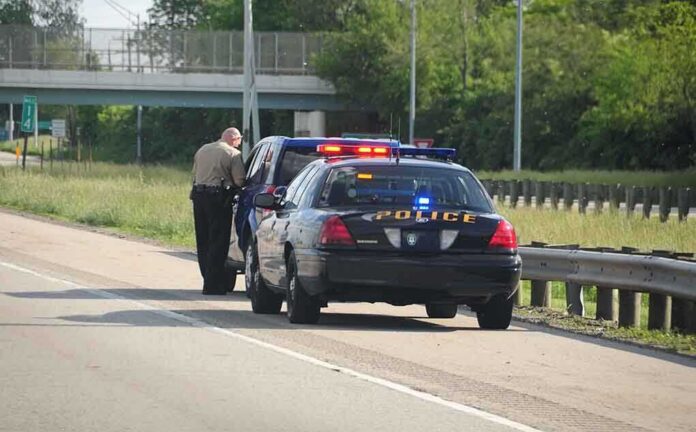
On the evening of July 23, Tony Romo was pulled over while driving south on Interstate 43 in Milwaukee, hours after finishing a rough round at the Wisconsin Amateur Championship golf tournament. A Milwaukee County Sheriff’s Office report says a deputy stopped him for a traffic violation on the high-rise span of I-43 and then gave him standardized field sobriety tests. That report notes Romo “performed poorly” on the tests, so officers arrested him on a first-offense operating while intoxicated charge and took him to the county jail before releasing him later that night.
Body camera footage released later adds more detail to the stop and the argument that followed. Video shows Romo telling the deputy he had “zero” alcoholic drinks and explaining that he was driving to visit his grandparents after coming from the golf course. At one point, he challenges the officer, asking, “Do you think I’m drunk just because I’ve come from a golf course?” The deputy answers that he is being detained for operating while intoxicated and moves him to a safer area to perform the tests, then handcuffs him and places him in the squad car.
The Evidence: Field Tests, Officer Impressions, and a Refusal Citation
According to the arrest report, the main evidence against Romo is his poor performance on standardized field sobriety tests, which are roadside exercises officers use to check balance, eye movement, and ability to follow directions. Local coverage citing search warrant and body camera documents says a deputy noticed a strong odor of an alcoholic drink on Romo’s breath and saw red, glossy eyes before giving the tests. After the arrest, Milwaukee County court documents show Romo received a citation for refusing to take an intoxication test, something prosecutors often argue shows the driver knew a chemical test might hurt his case.
But official records shared so far do not show any blood alcohol result or other lab test to back up the officer’s judgment. Wisconsin treats a first operating while intoxicated offense as a civil forfeiture, more like a serious ticket than a criminal record, which matches the Milwaukee County District Attorney’s description of Romo’s case as a traffic violation rather than a criminal charge. That means, at least for now, the public case rests on what the deputy saw and how Romo performed on the roadside tests, not on a number from a breath or blood machine.
Why This Stop Feels Familiar in Today’s System
This incident fits a pattern that many Americans on the left and right find frustrating: police and media move fast, and detailed proof comes later, if at all. In most drunk-driving stories, early reports lean on arrest summaries, officer impressions, and field sobriety tests, which are partly subjective and can be affected by nerves, fatigue, or uneven pavement. Chemical tests and sworn testimony often arrive weeks or months later, but by then a public figure’s reputation may already be damaged, especially when video and mug shots spread online within hours.
Romo’s case also highlights how different states label these incidents and how confusing that can be. Wisconsin calls it “operating while intoxicated,” and treats a first offense as civil, even though national coverage throws around terms like “driving under the influence” and “drunk driving” that sound criminal and final. For readers who already distrust the federal government and see a “deep state” protecting its own while everyday people get hammered with rules, it is hard not to notice that a celebrity gets a civil ticket while many regular drivers face harsher fallout for similar accusations.
Public Reaction, Media Spin, and Bigger Trust Issues
Sports and tabloid outlets jumped on the story, focusing on Romo’s “smirk” in his mugshot and his bad golf score that day, tying his poor round and his arrest into a single “nightmare” narrative. Social media posts joked about his performance and questioned whether he “deserved” an operating while intoxicated charge, even though no chemical test result is public. That kind of rush to judgment feeds a wider anger many Americans feel toward institutions that seem more interested in clicks, ratings, and quick punishment than in full, careful truth.
At the same time, the body camera shows an officer making a quick call based on her training and what she saw, in a system where she is pushed to act fast for safety and liability reasons. Romo’s calm but firm denial and his question—“Because I’m coming from a golf course, you think I’m drunk?”—capture a tension many people know: the feeling that your words do not matter once the government has decided what you are. Whether future court records clear him or confirm the charge, the case underlines a shared worry across party lines that our justice and media systems often run on instinct, image, and elites’ rules instead of solid evidence and equal treatment.
Sources:
facebook.com, nypost.com, espn.com, youtube.com, chron.com, tmj4.com, yardbarker.com, fox6now.com, nbcsports.com, sports.yahoo.com
© headlineupdates.com 2026. All rights reserved.