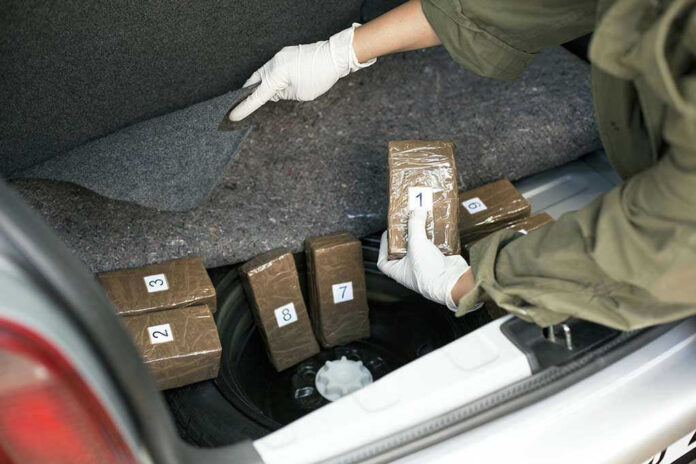
Criminal networks have turned Colombia’s Amazon into a trillion-dollar empire of cocaine, gold, and even meat, devouring rainforests while governments watch helplessly.
Story Snapshot
- Cocaine production funds illegal gold mining and fish laundering in the tri-border area of Colombia, Peru, and Brazil
- Brazil’s PCC cartel dominates, allying with Colombian rebels and Mexico’s Sinaloa for diversified profits
- Deforestation surges as criminals control 54 of 75 tri-border towns, fueling violence and mercury pollution
- Meat trade emerges as a new laundering tool, blending illicit fish with drug money
- U.S. Treasury flags gold ties to cartels, with exports reaching North American markets
Tri-Border Hotbed for Crime Convergence
Crime groups operate from the Putumayo River area where Colombia meets Peru and Brazil. PCC from Brazil leads cocaine trafficking through remote rivers like Itaquaí. Colombian FARC dissidents and ELN tax coca fields, generating funds for insurgency. Sinaloa Cartel oversees supply chains, as leader El Mayo Zambada admitted in 2025. Gold dredges use mercury, poisoning waters while forced labor extracts ore for laundering
Violence erupts in towns like Leticia and Tabatinga. Criminals control 54 of 75 tri-border municipalities, per 2025 Ojo Público reports[3]. Indigenous Yanomami suffer raids and enslavement in mining camps. This setup creates a gray economy where legal meat exports hide drug proceeds.
Historical Shift to Amazon Crime Hub
Colombia’s drug trade began in the 1970s with Medellín and Cali cartels processing Peruvian coca for U.S. markets. Dismantlement in the 1990s pushed cultivation to FARC-held Amazon zones. U.S. fumigation campaigns displaced crops further into forests. Norte del Valle Cartel exported 500 metric tons of cocaine, worth $10 billion, before fragmenting
Post-2016 FARC peace deal, dissidents filled the vacuum. Coca labs now line rivers to Manaus ports. Gold mining boomed in the 2010s as a drug money wash, with paramilitaries extorting miners. Tri-border expansion razes forest for airstrips and routes
Diversified Revenue Streams Fuel Expansion
Cocaine remains primary, taxing locals and funding allies. Gold provides tangible assets; dredgers ship ore by air to U.S. and Canada markets. Meat trade innovates laundering: PCC blends illegal fish with legitimate catches, exporting to clean profits[4]. Expert Ricardo Sobernón calls this a “perfect storm” of drugs, mining, and armed actors
Local gangs like Comandos tax but deny direct trafficking, a claim facts contradict through U.S. Treasury reports on PCC-gold links. From a conservative viewpoint, weak borders and lax enforcement enable this; common sense demands cross-border crackdowns over endless diplomacy.
2025 São Paulo arrests exposed gold-cocaine airstrip schemes. Sinaloa’s influence grows, dominating Colombian production. Revenue exceeds $7 billion yearly, mirroring old Cali cartel peaks.
Devastating Toll on Forests and People
Deforestation accelerates for coca plots, mining pits, and cattle ranches. WRI data shows criminals in most tri-border towns driving forest loss. Mercury from gold poisons rivers, collapsing fisheries[2]. Murders like 2023’s Bruno Pereira and Dom Phillips highlight risks.
Indigenous communities face displacement and extortion. Political corruption spreads via bribes, undermining state control. Long-term, this sustains global drug flows and insurgency, demanding international audits and cooperation Sobernón urges.
Sources:
https://en.wikipedia.org/wiki/Illegal_drug_trade_in_Colombia
https://www.wri.org/insights/nature-crime-amazon-deforestation
https://www.context.news/nature/death-and-deforestation-cocaine-trade-adds-to-amazons-woes
https://amazonunderworld.org/the-state-of-coca/