A small-town brewery found a way to turn an assassination attempt into a marketing gimmick—and that choice reveals something ugly about how Americans now “do” politics.
Quick Take
- Minocqua Brewing Company posted a message after an attempt on President Trump that joked about “marksmanship” and repeated a long-running “free beer day” promise tied to Trump’s death.
- The owner, Kirk Bangstad, has built a public anti-Trump brand and previously ran as a Democrat for Wisconsin office.
- Backlash erupted online, while some commenters cheered the “Resistance” tone—an unnerving snapshot of national polarization.
The Post That Turned National Trauma Into a Tavern Punchline
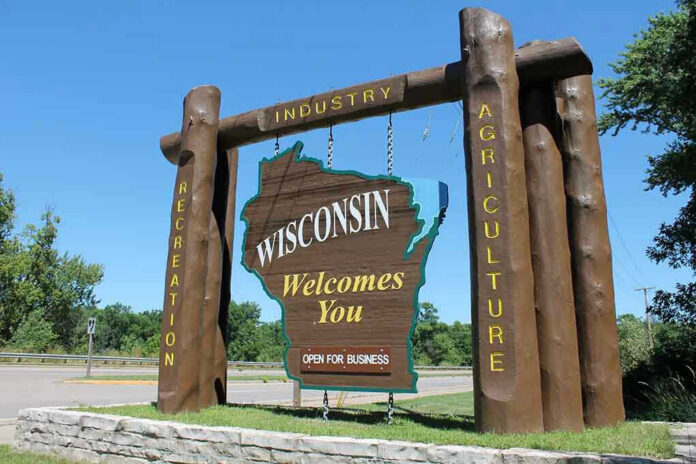
Minocqua Brewing Company, a Wisconsin business already known for provocative anti-Trump messaging, drew national attention after it responded to a reported assassination attempt on President Trump with a social media post that read like a toast to political violence. The message mocked the miss and floated two possibilities: the shooter needed better aim or Trump staged the episode for favorable coverage. Then it promised it would “stand at the ready” to pour free beer the day Trump dies.
The most revealing part wasn’t even the joke. It was the confidence that a commercial brand could say this out loud—under its own name—during a moment when most Americans expect at least a baseline of decency. The post didn’t sound like grief, civic concern, or even an argument; it sounded like a sales hook grafted onto a headline. That’s not edgy politics. That’s a business wagering that outrage will convert better than goodwill.
Kirk Bangstad’s Political Brand: A Business Model Built on Provocation
Owner Kirk Bangstad didn’t stumble into this. The “free beer day” promise tied to Trump’s death existed before the latest post, a standing offer that turns a political opponent’s mortality into a promotional event. Bangstad has also run for office as a Democrat in Wisconsin, and reporting notes he pleaded guilty to disorderly conduct after an arrest in 2025. None of that proves motive, but it fits a consistent pattern: controversy as a megaphone.
That pattern matters because it changes how you should read the post. Some defenders will shrug and call it “just speech.” Speech is real, but so are incentives. When a business wraps partisan contempt in a product pitch, it trains customers to see politics as entertainment—and opponents as targets. Americans over 40 have watched harsh rhetoric rise for decades, but this is a newer twist: politics as brand identity so total that basic restraint becomes “bad for engagement.”
Backlash, Applause, and the Shrinking Middle
The public response reportedly split fast: anger, boycott talk, and plenty of people calling the message vile—alongside supportive comments that echoed “Resistance” rhetoric. That mix is the story. A healthy society doesn’t require everyone to like Trump, or any politician. It requires a shared line against celebrating assassination attempts. When people cheer that line being crossed, the country’s center of gravity shifts away from persuasion and toward intimidation—exactly what the American system was designed to resist.
From a conservative, common-sense viewpoint, the brewery’s message lands as a failure of civic responsibility and basic humanity, not merely “bad taste.” The right to speak doesn’t equal the wisdom to speak, and it doesn’t guarantee freedom from consequences. Consumers have their own rights: to stop spending money where the owners openly fantasize about political death. Boycotts aren’t censorship; they’re accountability in a marketplace that still works when institutions don’t.
What’s Known, What’s Not, and Why the Details Matter
Coverage available so far cites the brewery’s post directly and describes the immediate online backlash, but it leaves big blanks: the exact date and circumstances of the assassination attempt, whether the brewery deleted the post, and whether Bangstad offered clarification or apology. That limited picture doesn’t excuse the content, but it does matter for judging the aftermath. A stubborn refusal to retract would signal one thing; a quick removal and apology would signal another.
One more detail worth keeping straight: an unrelated 2020 workplace shooting at a Milwaukee brewery has circulated in adjacent conversations, but it has no direct connection to Minocqua Brewing Company. Americans have every reason to react sharply to violent rhetoric because real violence has a way of leaving the internet and entering the real world. That’s why loose talk about “marksmanship” isn’t simply offensive; it’s reckless in a country already on edge.
The Real Warning: When Commerce Learns to Profit from Hate
Craft brewing once sold novelty—new hops, seasonal stouts, a taproom vibe. Now some breweries sell politics as the core product, betting that ideological loyalty will beat beer quality. That’s a risky long game. In the short term, a niche audience might rally around a brand that “owns the other side.” Over time, the ceiling is low: communities remember who poured fuel on the fire when everyone else begged for calm.
Wisconsin Brewery Laments Failed Assassination Attempt Against Trump With Sick Promise to Customershttps://t.co/cbYuUQfG7c
— American Roar (@RoarShar6064) April 26, 2026
The broader lesson isn’t confined to one Wisconsin brewery. The country can’t function when political opponents treat each other’s deaths like holidays. Conservatives don’t have to imitate that ugliness to defeat it; they can outlast it with steadier virtues: dignity, respect for life, and the insistence that political disputes get settled with votes, not jokes about bullets. If Minocqua Brewing Company wants to be known for something, it should start with beer—not bloodlust.