
The unsettling part is not that COVID can touch the brain; it is that it may also unmask a rare vessel disease doctors once expected to stay hidden for years.
Quick Take
- Cerebral amyloid angiopathy-related inflammation is a rare but serious inflammatory brain vessel disorder linked to amyloid buildup in older adults.
- Recent case reports connect that disorder to COVID-19 vaccination, but the evidence stops short of proving cause and effect [1][2][3].
- The most persuasive cases show timing, MRI abnormalities, cerebrospinal fluid findings, and steroid response, not a proven mechanism [1][2][3].
- The practical lesson is not panic; it is vigilance, especially when new confusion, seizures, or stroke-like symptoms appear after COVID exposure [5][6].
What Doctors Mean By This Hidden Brain Condition
Cerebral amyloid angiopathy, or CAA, refers to amyloid protein deposits in the walls of brain blood vessels. In some patients, that process becomes inflamed and causes cerebral amyloid angiopathy-related inflammation, often called CAA-RI. The condition can bring headaches, confusion, seizures, or stroke-like episodes, and it tends to appear in older people who already carry amyloid-related vascular risk. The recent headlines come from cases that tie this disorder to COVID exposure, especially vaccination [1][3].
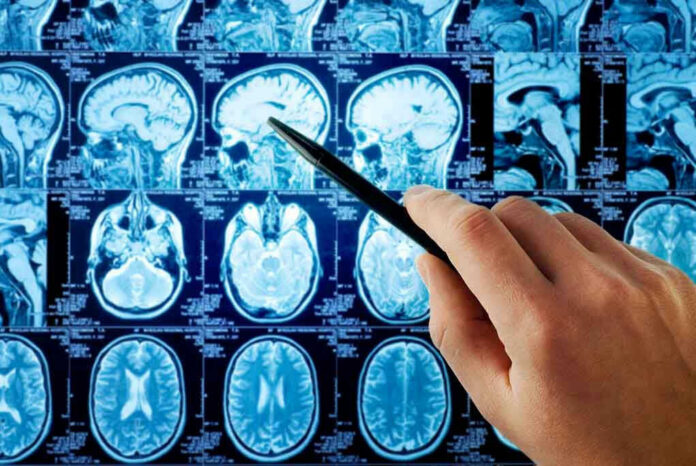
The strongest published case described a 77-year-old man with established probable CAA who developed new symptoms 14 days after his first Pfizer-BioNTech shot. MRI showed hemorrhage, microbleeds, and vasogenic edema, and the authors reported persistent cerebrospinal fluid anti-spike protein antibodies with improvement after steroids [1]. Another report described biopsy-proven amyloid β-related angiitis two weeks after COVID-19 vaccination, also with steroid responsiveness [2]. Those details make the cases clinically compelling, but they still remain case reports, not population proof.
Why These Reports Grab Attention But Still Leave Questions Open
Case reports matter because they can expose a pattern before statistics catch up. They also have a built-in weakness: they can show sequence, not causation. The CAA-RI review says exactly that, warning that it is difficult to prove causation rather than chronological association after vaccination [3]. The biopsy-confirmed amyloid β-related angiitis report is equally careful, stating that there is no evidence the vaccine triggers the disorder and that the relationship remains unclear [2].
That caution should matter to anyone who wants common-sense medicine rather than tribal medicine. A man with already established probable CAA can flare after vaccination, but a flare does not automatically mean the shot caused the underlying disease [1]. The same logic applies to the review’s cited abstracted case and its cerebrospinal fluid spike-protein finding: intriguing, yes; decisive, no [3]. The conservative instinct to separate timing from proof is the right instinct here.
What The Brain-Symptom Pattern Actually Suggests
The pattern these reports share is inflammation. MRI abnormalities, edema, microbleeds, and improvement after corticosteroids point toward an immune-driven process rather than simple bad luck [1][2][3]. That does not settle whether the trigger was vaccination, prior silent disease, or another inflammatory event. It does suggest that doctors should not dismiss new neurologic symptoms as “just brain fog,” especially in older adults with known or suspected amyloid vessel disease. Some brain conditions announce themselves in whispers before they become emergencies.
About 15% of strokes are hemorrhagic. Hypertension is the leading cause, period.
In older patients, cerebral amyloid angiopathy is likely the second most common. It’s closely related to Alzheimer’s disease. Here, amyloid plaque deposits in the vessel wall weaken it, leading to… pic.twitter.com/Hr1XTuytER
— Whitfield Lewis, MD 🇦🇬🇺🇸 (@whitfieldlewis6) May 19, 2026
Broader COVID research also keeps the door open to brain injury through several routes, including immune activation and oxygen deprivation. Harvard Health notes that COVID infection can damage the brain directly or indirectly and can raise stroke risk [5]. Other reviews describe persistent neurologic symptoms after infection [6], and brain-fog guidance from Brown Health says most patients recover over months, but the mechanism often involves disrupted communication between brain regions [3]. That wider context explains why these rare amyloid cases get taken seriously.
What You Can Do About It
For readers, the practical response is simple and disciplined. If you have known CAA, new severe headache, confusion, seizure, weakness, or a sudden change in thinking after COVID infection or vaccination deserves prompt medical evaluation. Doctors will usually look for hemorrhage, inflammation, stroke, or infection rather than assume “post-viral fog.” If symptoms appear, the goal is not internet diagnosis; it is fast imaging, neurologic assessment, and treatment based on findings, often including steroids when inflammation is confirmed [1][2][3].
For everyone else, the real takeaway is narrower than the headlines suggest. These reports do not prove that COVID vaccines broadly cause amyloid brain disease, and they do not prove that the infection never plays a role. They do show why rare adverse events deserve sober study instead of slogans. The sensible position is to respect vaccination’s public-health value, stay alert to rare complications, and demand stronger comparative research before anyone turns a handful of cases into a sweeping conclusion.
Sources:
[1] Web – Cerebral amyloid angiopathy – Related inflammation after COVID …
[2] Web – Amyloid β-related angiitis of the central nervous system occurring …
[3] Web – A case of cerebral amyloid angiopathy related inflammation after …
[5] Web – AMYLOID POST COVID-19 VACCINE – ANY RELATION?
[6] Web – Study Finds COVID-19 Can Cause Build-up of Alzheimer’s-Related …
© headlineupdates.com 2026. All rights reserved.