
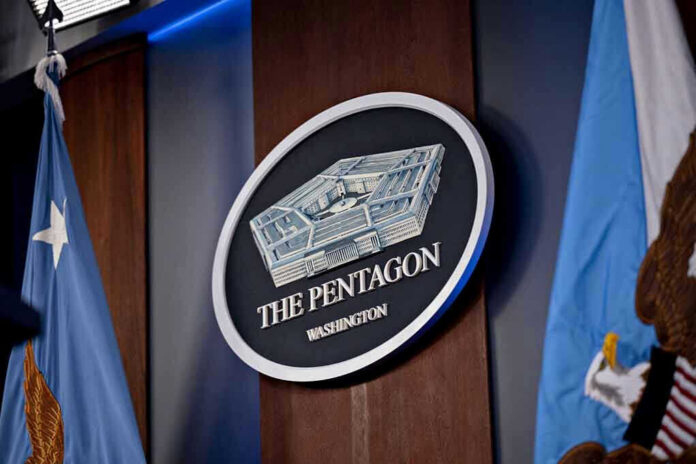
The Pentagon will cut 20% of positions reserved for generals and admirals by early 2027, marking the largest top-brass trim in decades.
Story Highlights
- Pentagon confirms a 20% cut to positions for generals and admirals, doubling last year’s target.
- Defense Secretary Pete Hegseth plans to announce the move before junior service members at Quantico.
- Services face a deadline to complete the reductions by Jan. 1, 2027.
- Supporters say this reduces bloat and restores a leaner, warfighting focus.
Pentagon Orders Deeper Reductions In Senior Ranks
Pentagon officials said Defense Secretary Pete Hegseth will direct all services to cut the number of positions reserved for generals and admirals by 20 percent, doubling a 10 percent reduction ordered last year. The change targets roughly eight hundred flag and general officer billets across the force. Officials said the services must identify which billets to downgrade or remove, and shift work to lower ranks where practical. The plan aims to streamline decision-making and speed support to combat units.
Two United States officials said Hegseth is set to unveil the cut when he speaks with hundreds of junior service members at Quantico, Virginia. The venue underscores the reform message: fewer layers at the top and more trust in leaders closer to the fight. The move follows earlier orders reducing four-star positions and signals the Trump administration’s push for leaner command structures. Pentagon leaders say the goal is faster, clearer chains of command that back troops, not bureaucracy.
Timeline, Scope, And What Changes On The Ground
Officials said the services must complete the 20 percent cut by January 1, 2027. That schedule gives each branch time to map transitions, avoid gaps in oversight, and assign duties to colonels, Navy captains, or senior civilians where it makes sense. Reuters reported the new target applies to positions, not only headcount, so some posts will be downgraded rather than erased. That lets the military keep needed functions while removing excess rank that can slow choices and blur accountability.
The Associated Press described the reduction as a doubling of last spring’s order that set a floor of ten percent, now raised to twenty percent across the senior ranks. That approach addresses long-running concerns that the force is top-heavy and slow to adapt. Fewer layers can mean clearer roles, tighter spans of control, and quicker fielding of gear and training. The services will still need to manage turnover, promotion boards, and joint duty rules to keep talent pipelines healthy during the shift.
Why A Leaner Headquarters Can Help Warfighters
Conservatives have pressed for years to cut Pentagon bloat so money and manpower reach the line units that deter enemies and win wars. Cutting excess positions at the top reduces staff churn, travel, and redundant reviews. It also signals respect for taxpayers who expect real reform, not slogans. Supporters say the change puts mission first and politics last. By trimming titles and staffs, commanders can focus on readiness, munitions production, training hours, and maintenance cycles that actually raise combat power.
Pentagon chief set to announce additional cuts in senior officer positions https://t.co/NVF1kiMzwy https://t.co/NVF1kiMzwy
— Reuters (@Reuters) September 30, 2026
Past attempts to trim senior ranks sometimes failed because offices were simply renamed or moved. This plan sets a firm percentage cut and a firm deadline, giving it teeth. Reuters’ account that Hegseth will deliver the message directly to junior troops highlights a cultural shift toward merit, speed, and accountability. If the services follow through, troops should see faster approvals, fewer meetings, and clearer marching orders. That is how a large headquarters gets out of the way of those who carry the load.
Sources:
© headlineupdates.com 2026. All rights reserved.