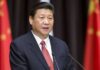
Abdul El-Sayed promised “no premiums, no copays, no deductibles” for everyone—then stumbled when pressed on who pays the bill.
Story Snapshot
- El-Sayed vows universal coverage with zero patient costs at point of care.
- Reports note he acknowledged higher taxes are likely as part of financing.
- Independent estimates peg single-payer costs in the tens of trillions over a decade.
- His stance on keeping some private supplemental coverage adds policy confusion.
What El-Sayed Actually Promised, In His Own Words
Abdul El-Sayed has pitched a sweeping guarantee: every American gets health care with no premiums, no copays, and no deductibles. He says it follows you if you lose a job, turn 26, or retire at 65. That is simple and bold. It also departs from how today’s Medicare works, which still charges premiums and cost-sharing. El-Sayed set a high bar on purpose. He framed a world where the bill never hits the kitchen table.
That pitch landed because families hate surprise medical bills and monthly premiums that never seem to stop. He tapped that frustration. But turning “free at the point of care” into law demands a full plan to raise, collect, and manage revenue. That is where details matter. A blank space there invites hard questions from taxpayers, doctors, hospitals, employers, and unions who live with the trade-offs every day.
Where The Money Comes From, And Why Voters Care
El-Sayed’s allies say national spending could fall if the government paid all bills and cut waste. That is an old argument in this debate. The problem is scale and certainty. Bridge Michigan pointed to nonpartisan work showing a single-payer plan would add massive new federal costs, measured in tens of trillions over ten years. That money has to come from taxes or borrowing. There is no magic in the math, only choices.
El-Sayed has said taxes would likely rise even as premiums and out-of-pocket costs fall, and the Wall Street Journal reported he acknowledged that point after his primary win. That is a fair admission, but it clashes with his “no premium, no copay, no deductible” slogan if voters hear only the first half. Households do not spend slogans. They spend cash. If taxes go up broadly, net savings must be clear, credible, and guaranteed, not guessed.
The Confusion Over “Medicare for All” Design
Policy analysts say “Medicare for All” can mean many things, from a true single-payer plan that replaces most private insurance to a hybrid that allows some private options. El-Sayed has suggested keeping supplemental private coverage for some workers. That nod to choice muddies the picture. It takes his pitch out of slogan land and into a complex build with carve-outs, rates, and rules. Voters deserve clarity on what stays, what goes, and who decides.
He also says the new system would cover benefits standard Medicare does not, like dental and vision. That sounds great. It also raises costs. Every added benefit adds dollars to the ledger. A serious plan would publish a payment schedule, show how hospitals in rural areas would be kept whole, and map how to avoid doctor flight or longer wait times. Saying “we will negotiate prices” is step one, not a full blueprint.
The Conservative Read: Promises First, Math Later
Conservatives judge programs by whether they balance fairness, freedom, and fiscal sense. This proposal strains all three. Fairness falters if the plan shifts costs from high users to everyone with a paycheck without clear net savings for the middle. Freedom suffers if people lose plans they like or face a single government rate that underpays doctors and closes practices. Fiscal sense collapses if the tax base cannot carry a new promise this large for long.
Mike Rogers argued the plan would raise taxes, cost too much, and drive doctors away. That warning reflects obvious risk, not fear-mongering. America already faces doctor shortages and long waits in many specialties. Squeeze prices hard enough, and providers exit. Stretch taxes far enough, and growth slows. If El-Sayed wants to win this debate, he must replace applause lines with a scored, line-by-line plan that shows families how the numbers net out over time.
Sources:
twitchy.com, nytimes.com, currentaffairs.org, foxnews.com, abdulforsenate.com, breitbart.com, wdet.org, vox.com, bridgemi.com
© headlineupdates.com 2026. All rights reserved.