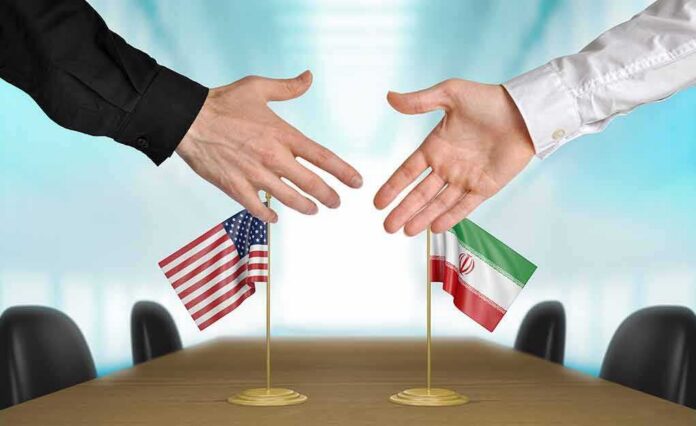
Qatar says it is shuttling new proposals between Iran and the United States to end the war and reopen vital shipping lanes, raising stakes for energy prices and global trade.
Story Snapshot
- Qatar confirms nearly two weeks of active mediation moving ideas between Tehran and Washington.
- Mediators including Qatar, Pakistan, and Oman are exchanging draft proposals, according to Doha.
- Iran’s terms include lifting the United States blockade, easing oil sanctions, and releasing frozen assets.
- A reported seven-day plan ties reopening the Strait of Hormuz to steps by Washington.
Qatar Confirms Shuttle Mediation Between Iran and the United States
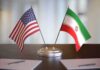
Qatar’s Foreign Ministry said its team has been carrying ideas between Tehran and Washington for almost two weeks. Spokesperson Majed al-Ansari described mediators “moving between different capitals” and working to resume talks. Doha framed the effort as part of a coordinated push with regional partners to cool tensions and reduce risks to shipping and energy markets. Qatar’s message signals a live backchannel at a time when direct talks remain limited and front-line incidents could spark wider escalation.
Qatar also said mediators are exchanging draft proposals between the sides. Reports named Qatar, Pakistan, and Oman as partners helping carry documents and test language for a step-by-step path. That process centers on practical tradeoffs, not grand speeches. Each side wants moves it can reverse if the other breaks the deal. Shuttle diplomacy lets them test options without locking into public red lines that are hard to change later if facts on the ground shift.
Iran Outlines Conditions Tied to Ending Hostilities and Shipping Access
Iranian officials described conditions for resuming talks and reducing attacks, according to public statements and state-linked reports. The terms include ending what Tehran calls a United States blockade of Iranian ports, easing oil sanctions, and releasing frozen Iranian funds. Iranian media framed the package as part of a wider pause in hostilities, not only a nuclear track. That framing links maritime security, economic relief, and regional calm into one negotiating bundle.
Several outlets reported that Iran tied reopening the Strait of Hormuz to early steps by Washington. One account said a senior Iranian official described a seven-day window to reopen shipping if pressure eases and port access is restored. Another report listed an end to hostilities, sanctions relief for oil, unfreezing assets, and lifting the port blockade as the key items. These points reflect a staged approach: relief and restraint traded for restored shipping and reduced risk.
Meetings Involving Iran’s Foreign Minister Anchor the Channel
Reports said Iranian Foreign Minister Abbas Araghchi engaged with Qatari mediators in New York and Doha as part of the talks. Those meetings align with Qatar’s claim that envoys are moving between capitals to keep dialogue going. The timing around high-level gatherings offers space for fast exchanges and quick edits to draft texts. That pace can create real movement if both sides accept small, linked steps instead of one sweeping settlement.
Qatar’s role fits its record as a go-between for the United States and Iran during tense standoffs. Mediators often blend quiet messages with selective public signals to shape expectations and hold fire on both sides. When shipping risk spikes and oil prices swing, even modest confidence-building steps can have outsized effects. A narrow deal to protect tankers and ports can buy time to discuss deeper issues later without daily threats to sailors and cargo.
Why This Matters for Americans Watching Prices and Power
The Strait of Hormuz is a vital route for global oil and gas flows. Disruption there raises shipping insurance costs and pushes up prices at the pump. Families and small businesses feel those increases fast. A workable short-term plan could steady shipments and ease price shocks. But if talks stall, energy volatility could grow. That risk is why both hawks and doves now watch this channel. Security and affordability are on the line at the same time.
Iranian Foreign Minister Abbas Araghchi says Qatar is discussing proposals aimed at meeting Tehran’s conditions with the US and is expected to convey Washington’s final response to Iran by Tuesday. pic.twitter.com/HCQ6OaXNKw
— Al Arabiya English (@AlArabiya_Eng) September 29, 2026
Many Americans on the right and left doubt that Washington’s foreign policy still serves the public interest. They see insiders managing crises rather than fixing root problems. This story sits in that space. Mediation can lower the chance of war and protect trade. It can also mask a lack of long-term strategy. Clear, enforceable steps are key. Transparent goals, tight timelines, and snap-back options can help ensure any relief delivers real safety, not just headlines and more drift.
Sources:
iranintl.com, jpost.com, en.yenisafak.com, reuters.com, apnews.com, tbsnews.net, aa.com.tr
© headlineupdates.com 2026. All rights reserved.