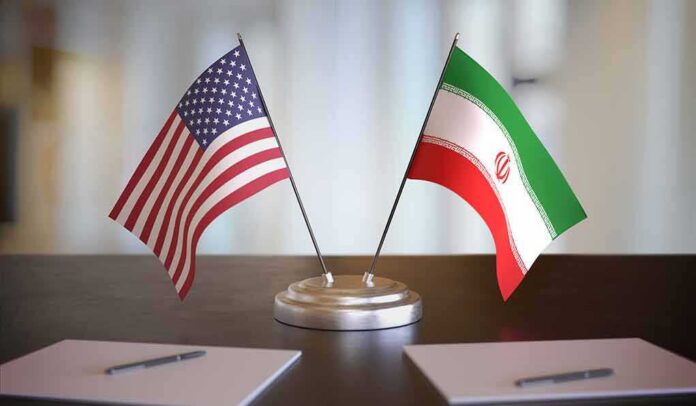
Iran’s seven-day “cease-fire” demanded front-loaded U.S. concessions while delaying real restraints on Tehran’s nuclear push, and President Trump said no.
Story Highlights
- Iran pitched a seven-day framework tied to reopening the Strait of Hormuz and later nuclear talks.
- Reports say Trump rejected the offer amid doubts Iran would meet strict terms.
- Trump said he was “not satisfied” with Iran’s plan and warned Iran cannot get a nuclear weapon.
- Talks continue, but both sides remain far apart and no breakthrough has emerged.
What Tehran Put on the Table and Why It Mattered
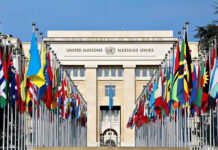
Iran’s foreign minister outlined a seven-day plan on the sidelines of the United Nations meetings. The plan linked reopening the Strait of Hormuz to early U.S. steps and pushed fuller nuclear talks to the end of the first week. Reports describe a phased offer with conditions on sanctions and military posture before Tehran would ease its chokehold on vital shipping lanes. That structure gave Iran leverage first while asking the United States to pay up front, a key sticking point for Washington.
Iranian leaders also tied any opening of the Strait to their conditions being met. They said there would be no return to normal shipping unless the United States agreed to the framework on their terms. That position raised red flags for U.S. officials who have seen Tehran pocket short-term gains before. It also would leave global energy markets hostage to a week of pressure with no firm guarantee that Iran would follow through at the end.
Trump’s Response: No Blank Checks, No Nuclear Iran
The New York Post, citing a Wall Street Journal account, reported that President Trump rejected Iran’s seven-day proposal and told aides he expected airstrikes to resume after the midterms, according to unnamed officials. Trump publicly said he was “not satisfied” with Iran’s offer and stressed that Iran cannot obtain a nuclear weapon. He also argued Iran was trying to run out the clock to affect U.S. elections, but that Americans could see through the tactic.
That stance matches the administration’s pattern in talks so far. U.S. officials kept channels open but treated Tehran’s offer as contingent and unresolved. Major outlets reported that negotiations continued without agreement and that gaps remained wide. That means the United States is not locking into a deal that trades real leverage for vague promises. It also keeps military and diplomatic options ready if Iran stalls or escalates.
Why the Strait of Hormuz and Timing Drive the Stakes
The Strait of Hormuz moves a fifth of the world’s oil. Iran knows this and tries to use it as a pressure point. If the United States eases sanctions or naval posture first, Iran can keep energy markets on edge while keeping its terms fluid. That is why a front-loaded deal is risky. It could lift pressure on Tehran, give them cash, and still leave nuclear issues for “later,” which may never come on fair terms for the United States and its allies.
Reuters and other outlets say the talks have produced no breakthrough, and officials on both sides say they are still far apart. That aligns with a cautious approach from Washington. Keep talking. Keep pressure on. Demand hard, verifiable steps, not slogans. The reported plan from Tehran may sound like a quick fix, but it asks America to move first and trust later. History shows that is not how you stop a nuclear drive or protect free shipping lanes.
What Conservatives Should Watch Next
First, watch if Iran offers immediate, verifiable steps on the Strait and on nuclear limits, not just future talks. Second, look for a unified U.S. line that defends energy security and rejects side deals that weaken sanctions. Third, track whether Tehran tries to use election timing to split American resolve. The policy test is simple: no relief without results, and no pathway that lets Iran creep toward a nuclear weapon under cover of a week-long pause.
Bottom Line: Strength First, Then Steps Toward Peace
President Trump’s refusal to accept a back-loaded promise puts American security first. Reports about potential post‑midterm air operations rely on unnamed sources, so the exact timing remains uncertain. What is clear is the standard: Iran must deliver real actions, not staged optics. The United States can support safe shipping and real de‑escalation, but only on terms that stop nuclear expansion and end coercion at the Strait. That is how peace is won and kept.
Sources:
iranintl.com, nytimes.com, nypost.com, apnews.com, independent.co.uk, reuters.com, cbs12.com
© headlineupdates.com 2026. All rights reserved.