China’s leader publicly urged the United States and Iran to get back to talks “as soon as possible,” putting global energy stability and great-power credibility on the line.
Story Highlights
- Xi Jinping called on the U.S. and Iran to resolve disputes through negotiations “as soon as possible.”
- Chinese messaging stresses restraint and revived talks tied to earlier understandings and Gulf shipping.
- Beijing’s stance aims to reduce risk to energy flows while avoiding a formal guarantor role.
- U.S. and China have recently aligned on keeping Hormuz open to normal navigation.
China’s Direct Call For U.S.-Iran Dialogue
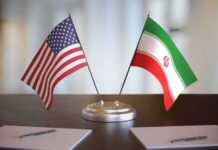
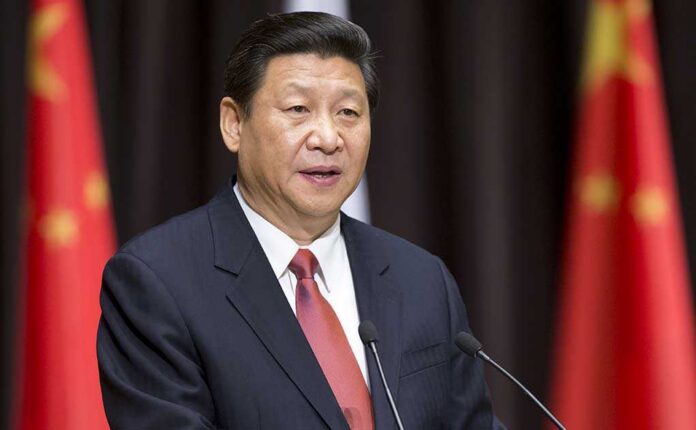
Xinhua reported that President Xi Jinping urged the United States and Iran to return to talks and resolve issues through negotiation “as soon as possible.” The statement framed the appeal as a direct message to both sides, not a general plea. China Daily carried the same line, signaling coordinated state media amplification. These reports follow months of rising tensions and repeated Chinese calls for restraint and revived channels between Washington and Tehran. The core fact is clear: Beijing wants talks restarted now.
Reuters reporting shows Chinese Foreign Minister Wang Yi pushing both sides to remain rational, exercise restraint, and re-engage in substantive consultations. That line has appeared in readouts with Iranian counterparts and in broader Chinese diplomacy messaging. The emphasis links dialogue with practical goals, including stability in Gulf shipping lanes. The focus on process over punishment fits China’s pattern of urging talks without committing to enforce outcomes or guarantees. The message aligns with Xi’s latest push.
Energy Security And The Strait Of Hormuz
Multiple outlets have tied China’s calls for talks to a central concern: keeping the Strait of Hormuz open to normal navigation. Disruption in that narrow waterway can spike prices for fuel, shipping, and goods worldwide. Xinhua and allied coverage echo this risk backdrop, and other reporting highlights Beijing’s warnings against curbs or tolls on transit. For families facing high energy and grocery bills, this matters. Stable shipping means steadier prices, fewer shocks, and less pressure on already tight household budgets.
U.S. officials have also cited emerging common ground with China on Hormuz. Recent reports noted agreement that no country should impose shipping tolls there, even as larger U.S.-China tensions continue. This narrow overlap does not erase big disagreements. But it shows both sides see the cost of a wider Gulf crisis. When Beijing tells Washington and Tehran to talk, it is also protecting its own fuel lifeline and global trade routes that support jobs and industry. That interest is plain and immediate.
Why Beijing Pushes Talks Without Guarantees
Analysts describe a Chinese playbook: endorse negotiations, avoid being a guarantor, and keep options open. That approach projects responsibility while limiting risk and cost. It also fits Chinese trade needs, which depend on steady energy flows from the Gulf. Calls for restraint and talks sound simple, but they can lower the chance of missteps that close sea lanes or rattle markets. Beijing’s approach signals influence, yet it stops short of policing either side’s actions on the ground.
🚨 BREAKING: Xi Jinping urges the US and Iran to return to negotiations and revive the Islamabad Memorandum to end the war and reach a comprehensive deal, including on nuclear issues. The push came during White House talks with Trump.…
— Dino Vibes Daily (@DinoLeadingNews) September 24, 2026
For Americans across the political spectrum, the through-line is practical. Fewer Gulf shocks can mean steadier prices at the pump and in stores. Many feel elites talk while costs rise and wages lag. Today’s message from Beijing will not fix that. But if it helps nudge Washington and Tehran from the brink, families could avoid another price surge driven by conflict. The test now is whether words turn into direct talks that ease tensions and keep ships and energy moving at normal levels.
Sources:
insiderpaper.com, globaltimes.cn, chinadaily.com.cn, en.yenisafak.com, en.chinadiplomacy.org.cn
© headlineupdates.com 2026. All rights reserved.