Ukraine’s president rejected Moscow’s latest ceasefire offer as an ultimatum while pushing for direct talks, sharpening a hard line against giving up land to end the war.
Story Snapshot
- Zelenskyy called Russia’s ceasefire terms an ultimatum and asked to meet Putin face to face.
- Kyiv is preparing a revised peace plan that does not concede territory to Russia.
- Putin publicly rejected Zelenskyy’s request for leader-level negotiations.
- European and U.S. discussions continue, but core disputes over land and security remain.
Zelenskyy Rejects Ceasefire Terms, Calls Them an Ultimatum
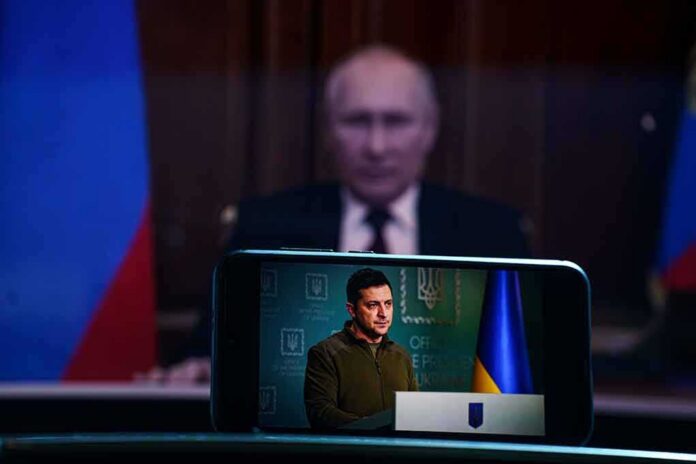
Ukrainian President Volodymyr Zelenskyy rejected Russia’s latest ceasefire proposal, calling it “an ultimatum” and not a real basis for peace. He asked for a face-to-face meeting with Russian President Vladimir Putin to break the stalemate. He said Ukraine is ready to talk but not to accept terms that lock in Russian gains. The clash over terms follows more than three years of war and rising pressure to end the fighting without rewarding force.
Putin declined Zelenskyy’s request for direct talks. He dismissed the tone and substance of Zelenskyy’s letter and said a meeting made no sense now. That public refusal cut off one path that could speed decisions on prisoners, safety zones, and energy sites. It also signaled that Moscow wants Kyiv to accept written terms first, before any leader-level diplomacy moves ahead.
Kyiv’s Peace Plan: Talks Without Land Concessions
Kyiv is preparing a revised peace proposal for Washington and European partners. The draft keeps a firm line against giving up Ukrainian territory. Zelenskyy argues he lacks legal authority to cede land and that doing so would reward invasion and invite future attacks. Supporters of this stance say borders cannot be changed by force. Critics say refusing concessions risks a longer war and larger costs for Ukraine and its allies.
European and American officials have hosted rounds of discussions to close gaps between the sides. Officials reported some progress in recent sessions, but they did not announce a breakthrough. The hardest issues remain control of occupied areas, security guarantees, and Ukraine’s path in Western institutions. These points have blocked multiple plans over recent years and continue to define both countries’ red lines today.
Why Each Side Says the Other Is Blocking Peace
Russian officials frame their written terms as the only realistic way to stop the war. Ukrainian leaders say those terms would freeze the front lines and normalize occupation. This pattern is common in wars with disputed land. One side calls its plan a compromise. The other calls it coercion. That fight over words hides a clear fact: both capitals are still bargaining for better ground and better leverage at the table.
Zelenskyy has also pushed for direct talks and submitted counter-ideas through partners. He has asked for a leader meeting, a ceasefire during talks, and prisoner exchanges. Putin has rejected a leader meeting for now, keeping contact at lower levels. These moves show each side wants peace on its own terms, not at any price. That is why the debate centers on land, security guarantees, and who must act first.
What It Means for Americans Watching the War
U.S. leaders and taxpayers face hard choices as the war grinds on. Some argue that more aid without a plan only fuels a distant fight and drains budgets at home. Others say pulling back would reward force and weaken global rules. Zelenskyy’s stance appeals to those who believe borders matter and aggression must fail. His stance also alarms those who fear endless war if both sides refuse to bend on land and security.
For citizens who feel Washington’s foreign policy often serves elites, this moment reinforces old worries. Complex talks, secret drafts, and shifting red lines can look like backroom deals. Clear, public terms with real timelines could rebuild trust. Until then, expect more proposals, more refusals, and steady pressure on the United States to fund a conflict while top leaders argue over maps that most voters will never see up close.
Sources:
youtube.com, theguardian.com, apnews.com, europarl.europa.eu
© headlineupdates.com 2026. All rights reserved.