
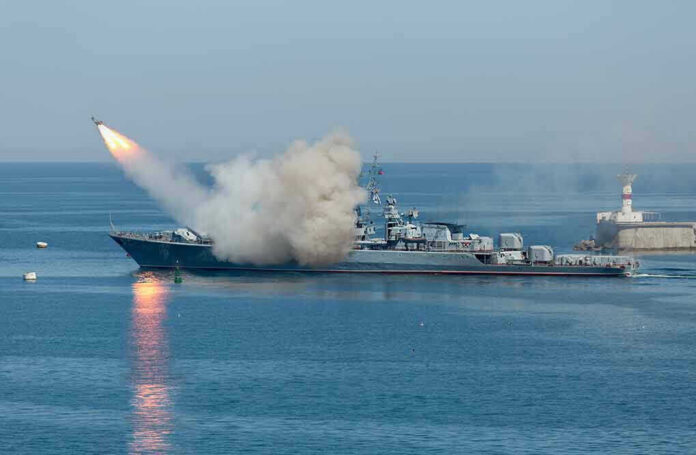
In a stunning show of force, the U.S. military obliterated a narco-trafficking vessel in the Pacific, sending a clear message that American security and sovereignty are no longer up for negotiation.
Story Snapshot
- The U.S. military executed a lethal airstrike on a drug-smuggling vessel in the Pacific, neutralizing two narco-terrorists.
- This decisive action reflects the Trump administration’s renewed commitment to border and homeland security after years of lax enforcement.
- Trump’s administration is rapidly expanding military and law enforcement roles to combat drug cartels and illegal immigration threats.
- Critics warn about overreach, but supporters argue these tough measures are necessary to protect American families and constitutional values.
U.S. Military Responds with Force to Threats in the Pacific
The U.S. military carried out a precision airstrike targeting a suspected drug-smuggling vessel in the eastern Pacific Ocean, off the coast of South America. According to U.S. officials, the operation destroyed the vessel and resulted in the deaths of two individuals identified as “narco-terrorists.” This action signals a strengthened resolve under President Trump to directly confront narco-trafficking operations that threaten American communities and undermine national security.
Trump Administration’s Security-First Approach
President Trump’s return to office marked a decisive pivot away from the previous administration’s softer stance on border and narcotics enforcement. The administration has prioritized robust military engagement and expanded law enforcement operations aimed at dismantling drug cartels before they can reach U.S. shores. By leveraging advanced military assets and intelligence, the current administration seeks to intercept and neutralize threats abroad, reaffirming the nation’s commitment to law and order and the protection of American sovereignty.
Expanding the Role of Military and Law Enforcement
Since January, the Trump administration has issued executive orders increasing the presence of U.S. military personnel in anti-narcotics and border enforcement operations. These moves allow for proactive engagement of suspected drug traffickers in international waters and at critical transit points. The administration’s strategy also includes closer cooperation with local law enforcement agencies, aiming to fortify the nation’s defenses and prevent the infiltration of drugs and related crime into American neighborhoods. Critics argue this approach pushes the limits of executive power, but supporters view it as restoring order after years of failed “open border” policies.
Impact on Border Security and Conservative Values
Conservative Americans, frustrated by years of unchecked illegal immigration and rising drug-related crime, have welcomed these aggressive measures. The airstrike in the Pacific is seen not only as a tactical victory but also as a symbol of renewed national resolve. By acting decisively against narco-terrorists, the Trump administration aligns with the core conservative values of individual safety, constitutional protection, and limited government—ensuring that federal resources are used to defend citizens rather than enable lawlessness. While opponents caution about potential overreach, the majority of Trump supporters believe such actions are vital for preserving the nation’s integrity and future.
Concerns About Executive Power and Policy Limitations
Despite broad support among conservatives, legal experts and advocacy groups have raised concerns that the administration’s tactics could test the limits of executive authority. They point to the expansion of military roles in law enforcement and the potential for civil liberties to be compromised in the name of security. The Trump administration defends its approach, emphasizing the ongoing threats posed by international drug cartels and asserting that decisive action is not only lawful but necessary. As the nation debates the balance between security and liberty, this airstrike serves as a focal point for the larger conversation about America’s direction in a post-Biden era.