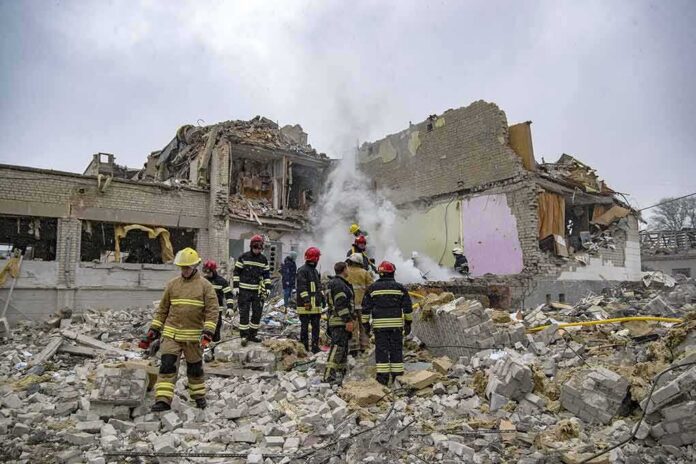
Four American tourists were among six people killed when a suspected gas explosion leveled a building in Athens’ historic Plaka district, steps from the Acropolis.
Story Snapshot
- Greek officials recovered six bodies after a blast and collapse in central Athens.
- Athens’ mayor said the explosion was likely linked to gas infrastructure.
- The United States confirmed four of the dead were American tourists.
- Investigators are probing gas systems and building safety in a dense, old neighborhood.
What Happened in Plaka and What Officials Confirmed
Greek fire authorities said a two-story residential building in Plaka collapsed after an explosion on Friday morning local time. Rescue teams using dogs, cameras, and sensors later found six bodies in the rubble, according to a fire brigade spokesperson. The site sits in a busy tourist zone near the Acropolis. Damage hit nearby shops, homes, and cars. The mayor of Athens said the blast was likely tied to gas infrastructure, pending the full probe.
The United States government confirmed that four Americans died in the disaster. A spokesperson said their deaths were the result of a gas explosion. Local and international media showed crews working for hours as they cleared debris and checked unstable walls. Two women were pulled from a neighboring building earlier and treated for injuries, officials said in initial reports before the death toll was finalized.
Why Gas Systems and Old Buildings Raise the Risk
Early reports in events like this often point to a likely cause while investigators work to confirm it. In dense, older districts such as Plaka, gas-related blasts are a common early theory. Aging structures, mixed-use spaces, short-term rentals, and layers of old utility work can all raise risk. That mix can turn a leak into a major blast and a fast collapse. Reporters and local officials kept the focus on a suspected gas leak while noting the cause would be confirmed by investigators.
Across cities worldwide, the pattern is similar. First comes rescue and triage. Next comes a longer forensic phase. Teams review utility lines, appliances, meters, and recent renovation work. Engineers study the debris field and connections between the blast and the way the building failed. That is how they separate a pipeline leak from an appliance fault or an electrical spark near pooled gas. Athens officials said that process is underway in this case.
What This Means for Travelers and City Residents
Tourists and locals rely on safe, well-kept buildings and clear oversight. This blast shows how fast a weak point in a system can turn deadly. People on the right and left both worry that basic safety often loses out to red tape, finger pointing, and cost cutting. When governments delay inspections or shrug at maintenance, the public pays the price. Visitors to historic districts trust that rentals and hotels meet code. They expect honest checks and quick fixes before tragedy strikes.
Four American tourists among 6 killed yesterday after a suspected gas explosion leveled a building in Athens’ Plaka district, at the foot of the Acropolis.
Two couples were staying in a short term rental and due to fly home Friday.
Prayers for the families.
Such a tragedy and… pic.twitter.com/Gxe0Ww3e62— Gina Beana Fofina (@Ginasassyass) September 27, 2026
City leaders everywhere face a hard truth. Infrastructure ages even as tourism grows. That strain demands regular audits of gas lines, shared standards for short-term rentals, and swift repairs. It also calls for clear public alerts when residents report smells or hazards. Athens now has a chance to set a strong example: publish the findings, fix what failed, and require upgrades where risk is high. That is how trust is earned, and lives are saved the next time.
Sources:
thegatewaypundit.com, www-cdn.abcnews.com, cbsnews.com
© headlineupdates.com 2026. All rights reserved.