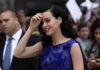
New York Assemblyman Zohran Mamdani sparked outrage among 1993 World Trade Center bombing survivors after being photographed smiling with an unindicted co-conspirator from the terror attack that killed six Americans and wounded over 1,000.
Story Highlights
- Mamdani photographed arm-in-arm with Imam Siraj Wahhaj, unindicted co-conspirator in 1993 WTC bombing
- Survivors denounce the photo as insensitive to victims who endured “hellish experience”
- February 26, 1993 truck bomb attack was first major international terrorism on U.S. soil
- Controversy raises questions about public officials’ accountability and associations
Survivors Condemn Mamdani’s Controversial Photo
Survivors of the 1993 World Trade Center bombing have unleashed fierce criticism against New York State Assemblyman Zohran Mamdani after he was photographed smiling alongside Imam Siraj Wahhaj, an unindicted co-conspirator in the terror attack. The survivors described the February 26, 1993 bombing as a “hellish experience” and expressed outrage over what they perceive as profound insensitivity from an elected official. Their condemnation highlights the enduring trauma and calls for greater respect from public figures.
The 1993 World Trade Center Attack Legacy
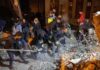
The 1993 bombing occurred when Ramzi Yousef’s terrorist cell detonated a van bomb in the underground garage of the North Tower at 12:18 p.m. The attack killed six people and injured over 1,000, forcing the evacuation of 50,000 people who fled the towers amid smoke and chaos. This attack served as a precursor to the September 11, 2001 attacks and exposed critical vulnerabilities in American infrastructure security. The bombing remains a touchstone for discussions about terrorism preparedness and survivor advocacy.
Unindicted Co-Conspirator Status Explained
Imam Siraj Wahhaj was designated as an unindicted co-conspirator in the 1993 World Trade Center bombing, meaning he was implicated in the attack but never formally charged. While several perpetrators were convicted and sentenced, some individuals like Wahhaj remained in this legal gray area despite their alleged connections to the terrorist plot. This designation reflects the complex legal challenges prosecutors faced in building cases against all suspected participants in the conspiracy.
Public Accountability and Political Consequences
The controversy underscores broader concerns about elected officials’ associations and their moral responsibility to terrorism victims. Survivors argue that public figures must exercise greater sensitivity when engaging with individuals linked to terrorist activities, regardless of their legal status. This incident potentially damages Mamdani’s reputation and raises questions about his judgment as he pursues higher political office. The backlash demonstrates how past terrorist attacks continue to influence contemporary political discourse and accountability standards.
Today's cover: Survivors of ‘93 World Trade Center terror attack bash Zohran Mamdani for smiley pic with unindicted co-conspirator: ‘Hellish experience’ https://t.co/ZqEe9kvTKU pic.twitter.com/d2wxjP1szt
— New York Post (@nypost) October 20, 2025
Security experts emphasize that normalizing relationships with terrorism-linked individuals sends dangerous signals and reopens wounds for survivors still coping with trauma decades later. The controversy serves as a reminder that the 1993 bombing’s impact extends far beyond its immediate casualties, affecting public trust and political accountability in ongoing ways.
Sources:
9/11 Memorial & Museum – Survivor Story: Remembering 1993 Bombing
The Week – Survivors Mark 30-Year Anniversary of 1993 World Trade Center Bombing
Wikipedia – 1993 World Trade Center Bombing
9/11 Memorial & Museum – Volunteer Survived Both WTC Attacks