President Trump’s strategic oil concession to Cuba yields 2,010 prisoner pardons, but zero confirmed political releases expose limits of communist concessions.
Story Snapshot
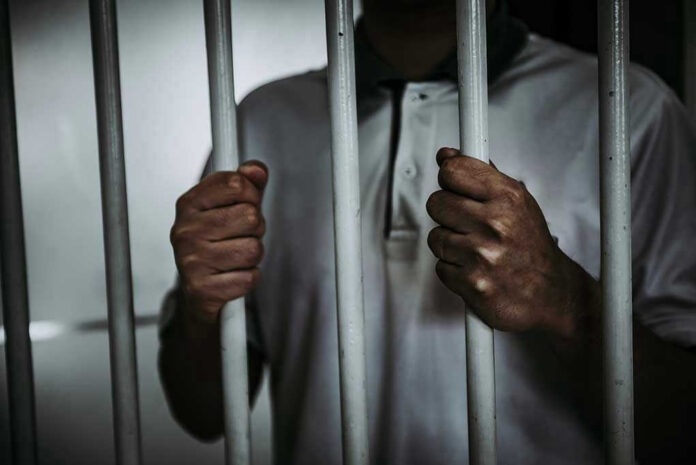
- Cuba announces pardon of 2,010 prisoners on April 2, 2026, targeting vulnerable groups amid Easter observances.
- Move follows Trump’s easing of oil blockade, allowing Russian tanker delivery days earlier.
- No political prisoners confirmed released despite US demands; serious criminals explicitly excluded.
- Fifth such pardon since 2011, totaling over 13,000; Russia sends second oil shipment concurrently.
Cuba’s Pardon Announcement Details
Cuba’s presidency declared on April 2, 2026, the pardon of 2,010 prisoners as a humanitarian gesture linked to Holy Week. Eligible individuals include young people, women, those over 60, foreigners, and Cubans abroad who demonstrated good conduct, served significant sentence portions, and faced health issues. Authorities excluded convicts of murder, sexual assault, drug crimes, theft, illegal livestock slaughter, and offenses against the state. This marks the fifth pardon wave since 2011, exceeding 13,000 total releases.
Trump Administration’s Pressure and Oil Leverage
US President Donald Trump eased the de facto oil blockade days before the announcement, permitting a Russian tanker to deliver over 700,000 barrels of crude to Havana. White House Press Secretary Karoline Leavitt cited humanitarian reasons for the decision. Russia promptly announced a second tanker shipment. These actions occur amid longstanding US demands for political prisoner releases, though Cuba frames pardons as sovereign and tied solely to religious tradition, denying external pressure.
Cuba previously pledged to free 51 prisoners weeks earlier as goodwill toward the Vatican, amid fuel shortages crippling the island. Secretary of State Marco Rubio criticized Cuba’s communist leadership as incompetent, urging economic and political reforms. Negotiations between the Trump administration and Havana continue, with former Cuban President Raúl Castro involved.
Geopolitical Dynamics and Exclusions
Cuba faces severe fuel starvation, now partially alleviated by Russian aid enabled by US policy shifts. The government emphasizes its “humanitarian legacy of the Revolution” while rejecting political prisoner claims; activist group Prisoners Defenders reports 1,214 such detainees as of February 2026. No identities or political releases specified in the pardon, leaving US human rights goals unmet despite leverage.
Power dynamics reveal US economic pressure forcing Cuban concessions without full capitulation. Havana balances sovereignty assertions with practical needs for fuel, relying on Russia to counter isolation. Longstanding Vatican ties influence timed releases, but core demands for dissident freedom persist unresolved.
Impacts on Prisoners and US-Cuba Relations
Short-term effects include prison overcrowding relief and family reunions for vulnerable groups. Cuban society gains from reduced non-serious offender incarceration. Politically, the move bolsters Cuba-Russia energy alliances and tests Trump-era diplomacy. Long-term, it reinforces pardon precedents amid sanctions, potentially signaling minor flexibility without addressing political prisoners.
US conservatives watching Trump’s second term note this as targeted leverage avoiding endless foreign entanglements. Unlike past globalist overreach, precise pressure prioritizes American interests—human rights abroad without troop commitments—while securing energy stability concessions that curb Russian expansion indirectly.
Sources:
Cuba pardons 2010 prisoners amid United States pressure
Cuba pardons over 2,000 prisoners amid US pressure
Cuba pardons 2,010 people as the US pressures the island’s government