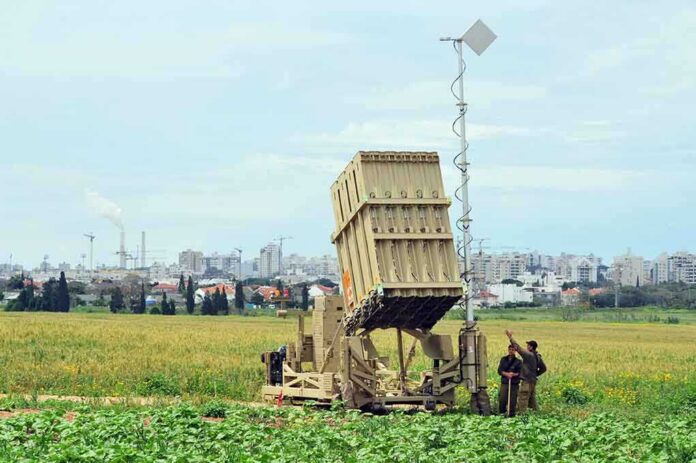
Air defenses lit up Erbil’s sky as drones and rockets neared a U.S. base, and multiple incoming threats were shot down, according to on-the-ground reports.
Story Highlights
- Reports say coalition air defenses intercepted several drones and missiles over Erbil.
- Explosions were heard near the U.S. consulate and Erbil International Airport amid the engagement.
- A militia aligned with Iran claimed it struck the U.S. base with drones and rockets.
- Official U.S. confirmation of exact targets and munitions was not immediately available.
Intercepts Reported Over Erbil as Threats Approached U.S. Facilities
Local outlets and regional correspondents reported loud blasts over Erbil, where the United States maintains forces and a consulate compound. Witnesses described air-defense fire as systems engaged targets in the air. The Kurdistan Region’s counter-terror service and coalition-related reporting said multiple drones or missiles were intercepted and destroyed over the province. Several accounts placed the activity near Erbil International Airport and the U.S. consulate area, consistent with an active air-defense response.
Regional media detailed a string of explosions tied to the intercepts. Reports from Yeni Safak said air defenses shot down at least one explosive drone near the U.S. consulate and engaged others near the airport perimeter. Live updates described several detonations that matched the sound and flash of air-defense fire and possible midair kills. While these reports align on the pattern of an attempted strike, they varied on the exact number and location of intercepts.
Militia Claim and Pattern of Attacks on U.S. Sites
A group identified as aligned with Iran publicly claimed responsibility for targeting U.S. forces in Erbil with drones and rockets. The National reported that Saraya Awliya Al Dam said it launched the attack and linked it to ongoing regional tensions. That claim tracks with a broader pattern of short-range drone and rocket attempts around U.S. facilities in northern Iraq, where militia groups have used similar methods before. Earlier incidents created a steady threat picture for U.S. and coalition positions.
Other outlets added context that Erbil has faced repeated harassment by drones and rockets in recent months and years. These incidents often begin with quick local reports, scattered videos of tracer fire, and alerts from regional security sources. Official statements sometimes arrive much later. That lag can let confusion set in about how many drones were involved, what systems fired, and whether any debris hit civilian areas. The first hours usually show the fog of conflict at work.
What Is Confirmed and What Remains Unclear
Multiple independent reports agree on several key facts: explosions were heard; air defenses engaged; and the engagement happened near areas that host U.S. forces. Outlets like Middle East Eye and Shafaq News cited interceptions of “several” drones or missiles over Erbil province, which suggests a coordinated defense response. However, there was no immediate official release from United States Central Command or the coalition with a complete after-action count, leaving munition types and exact impact points uncertain.
explosions heard near Erbil Air Base in Iraq, video circulating on X shows a drone actually getting intercepted and going down in flames near the base, the same location where a US soldier died last Sunday.
— Smitethat (@Smitethatmain) July 24, 2026
For readers at home, the takeaway is simple: enemies used cheap drones and rockets to try to threaten Americans abroad, and defenses fired to stop them. That is why layered air defense matters. It protects troops, diplomats, and our mission against those who want to push the United States out of the region by force. Clear, timely reporting from the U.S. side will help cut through mixed early claims and show how well these systems and crews performed under pressure.
Sources:
military.com, middleeasteye.net, youtube.com, caspianpost.com, cnn.com
© headlineupdates.com 2026. All rights reserved.