
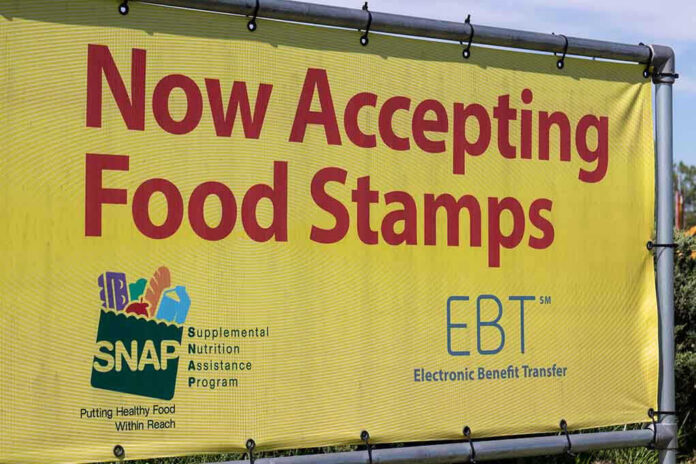
Social media exploded in outrage after a prominent influencer suggested feeding “prison loaf” to the poor instead of providing SNAP benefits, exposing the growing divide over welfare, dignity, and government responsibility in America.
Story Snapshot
- A viral influencer’s call to replace SNAP benefits with “prison loaf” ignited national backlash and debate.
- Experts and advocacy groups condemn the proposal as unethical, dehumanizing, and unsupported by any credible research.
- Nutraloaf, or “prison loaf,” is a punitive food used only in prisons—never intended for general consumption.
- The controversy underscores the dangers of social media influence on public attitudes toward poverty and welfare policy.
Influencer’s Proposal Sparks Outrage and National Debate
In late October 2025, a widely-followed social media influencer posted that poor Americans should be fed “prison loaf”—a flavorless, nutrient-dense substance used as punishment in US prisons—instead of receiving Supplemental Nutrition Assistance Program (SNAP) benefits. Within hours, the statement went viral, trending across major social media platforms and drawing swift condemnation from advocacy groups, politicians, and ordinary citizens alike. Critics described the proposal as cruel, punitive, and fundamentally at odds with American values of dignity and compassion, while fueling an intense debate over the ethics of welfare policy.
Influencer calls for feeding ‘prison loaf’ to poor people instead of SNAP benefits — and sparks internet firestorm #Prisonhttps://t.co/rWplC1ada4 Boycott the influencer.
— Jerrie DeRose-South (jerder) (@DeroseSouth) November 3, 2025
Media outlets rapidly picked up the story, emphasizing how a single provocative statement can escalate into a national controversy in today’s hyper-connected digital environment. Advocacy organizations such as Feeding America and the Food Research & Action Center issued strong statements defending the importance of SNAP and denouncing any attempts to further stigmatize the poor. Despite the backlash, the influencer has not retracted the statement, and the debate continues to reverberate across public forums, highlighting the risk of misinformation and harmful narratives gaining traction through social channels.
What Is “Prison Loaf”? Historical Use and Controversy
Nutraloaf, commonly called “prison loaf,” is a dense, bland food served as punishment to inmates who violate prison rules. Correctional institutions developed nutraloaf to be nutritionally adequate but intentionally unpalatable, reinforcing the punitive character of prison discipline. Historically, prison meals were designed to be basic and reinforce the hardship of incarceration, with early meals consisting of just bread and water. Nutraloaf emerged in the modern era as a disciplinary tool, not as a staple diet, and its use has sparked ongoing legal and ethical debates about whether it constitutes cruel and unusual punishment.
Legal challenges have been brought against the use of nutraloaf in prisons, with critics arguing that serving it as punishment violates inmates’ constitutional rights. Nutritionists and correctional experts emphasize that nutraloaf is not balanced or suitable for long-term human consumption outside of its narrowly defined punitive context. No credible research or correctional authority supports its use as a solution for food insecurity or as a substitute for SNAP, reinforcing the consensus that the influencer’s proposal is both uninformed and dangerous.
Expert and Advocacy Perspectives: Dignity, Ethics, and Policy Implications
Correctional experts are unified: nutraloaf is a disciplinary measure, not a general food solution. Nutritionists note that while nutraloaf meets minimum nutritional requirements, it fails to provide a balanced diet and is unsuitable for anyone outside the punitive context of prison discipline. Advocacy groups argue that feeding punitive meals to the poor is unethical, undermines human dignity, and distracts from evidence-based strategies proven to alleviate poverty. Legal experts point out that the use of nutraloaf has even been challenged in court as cruel and unusual punishment, making its application outside of prisons not only impractical but potentially unconstitutional.
This controversy echoes previous attempts to stigmatize welfare recipients or restrict SNAP benefits to commodity foods—efforts consistently met with public and expert opposition. The uproar also highlights the need for responsible social media use, as influential voices can rapidly shape, or distort, the national conversation on critical policy issues. Ultimately, the story is a cautionary tale about the dangers of reducing complex social problems to simplistic, punitive solutions that do nothing to address root causes or uphold core American principles of fairness and opportunity.
While the influencer’s proposal remains an outlier, the incident has reignited debates over welfare policy, the role of social media in shaping public opinion, and the importance of defending the dignity of all Americans—especially the most vulnerable. Experts agree: public policy should be grounded in compassion, common sense, and the recognition that solutions to poverty require more than punishment—they demand respect for the basic humanity of every individual.
Sources:
Prison food: how nutraloaf became a tool of punishment | WHYY